
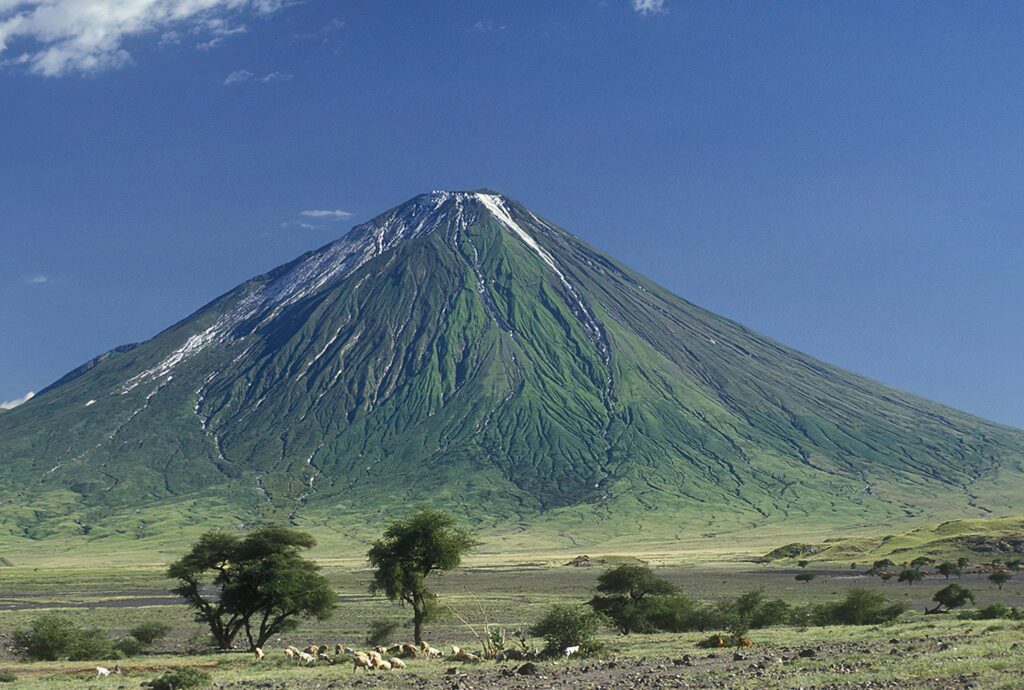
Combining the Machame Route Climb with a Tanzania Self-Drive Safari: The Ultimate Adventure Guide
If you’re looking for the ultimate African adventure, combining the Machame Route with a Tanzania self-drive safari offers an unbeatable experience. This unique journey blends the thrill of summiting Africa’s highest peak with the freedom of exploring world-famous wildlife destinations at your own pace.
From conquering the towering heights of Mount Kilimanjaro to navigating the vast plains of Serengeti National Park, this combination delivers both adrenaline and authenticity.
In this comprehensive guide, we’ll walk you through everything you need to know—from planning and logistics to costs, routes, and expert tips—to help you design the perfect Kilimanjaro and self-drive safari itinerary.
Why Combine Kilimanjaro Climbing with a Self-Drive Safari?
Most travelers treat Kilimanjaro trekking and safari as separate trips. But combining them offers several powerful advantages:
1. A Complete Tanzanian Experience
You’ll experience both high-altitude trekking and wildlife safaris in one seamless journey.
2. Cost Efficiency
Self-driving reduces safari costs compared to guided tours, allowing you to allocate more budget toward your Kilimanjaro climb.
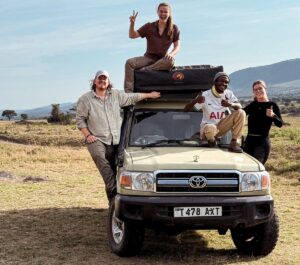
3. Flexibility and Freedom
A self-drive safari lets you:
- Travel at your own pace
- Choose where to stay
- Spend more time in areas you love
4. Adventure Factor
Climbing Kilimanjaro is already a challenge—adding a self-drive safari turns your trip into a true expedition.
Understanding the Key Difference: Guided Climb vs Self-Drive Safari
Before diving into logistics, it’s crucial to understand this:
👉 You cannot climb Kilimanjaro independently.
All treks on Mount Kilimanjaro must be booked through a licensed operator. This includes:
- Certified guides
- Porters
- Cooks
- Park permits
However, once your climb is complete, you are free to transition into a fully independent self-drive safari.
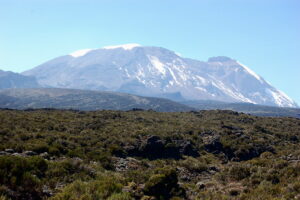
Overview of the Machame Route
The Machame Route is one of the most popular routes on Kilimanjaro—and for good reason.
Why Choose Machame?
- Excellent acclimatization profile
- Diverse scenery across multiple climate zones
- High summit success rate
Route Highlights
- Lush rainforest at lower elevations
- Expansive views from Shira Plateau
- Dramatic ascent via Barranco Wall
- Summit push to Uhuru Peak (5,895m)
The route typically takes 6–7 days, though 7 days is strongly recommended for better acclimatization.
Best Time to Combine Kilimanjaro and a Self-Drive Safari
Timing is everything when planning this combination trip.
Best Seasons:
- June to October (Dry Season) – Ideal for both climbing and safari
- January to March – Good weather and fewer crowds
Avoid:
- April and May (heavy rains)
- November (short rains, unpredictable)
Wildlife viewing in Serengeti National Park is best during the dry season when animals gather around water sources.
Suggested 18-Day Itinerary
Here’s a well-balanced itinerary combining trekking and self-driving.
Days 1–2: Arrival in Tanzania
Arrive in Arusha or Moshi.
Activities:
- Airport transfer
- Gear check and briefing
- Overnight at a hotel
Days 3–9: Machame Route Climb
Your Kilimanjaro adventure begins.
Typical route breakdown:
- Day 1: Machame Gate to Machame Camp
- Day 2: Machame Camp to Shira Camp
- Day 3: Shira to Lava Tower to Barranco Camp
- Day 4: Barranco to Karanga Camp
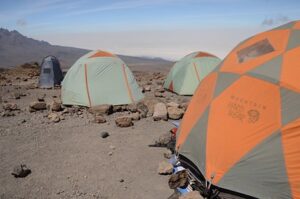
- Day 5: Karanga to Barafu Camp
- Day 6: Summit (Uhuru Peak) and descend
- Day 7: Exit the park
This phase is fully guided and supported.
Days 10–11: Recovery
After descending:
- Stay in Moshi or Arusha
- Rest and recover
- Prepare for safari
Days 12–18: Self-Drive Safari Circuit
Now begins your independent adventure.
Self-Drive Safari Route in Detail
Arusha to Tarangire National Park
Start your journey from Arusha and head to Tarangire National Park.
Why Visit Tarangire?
- Famous for large elephant herds
- Iconic baobab trees
- Less crowded than other parks
Stay: Campsite or lodge inside or near the park.
Tarangire to Lake Manyara National Park
Next, visit Lake Manyara National Park.
Highlights:
- Tree-climbing lions
- Flamingos (seasonal)
- Scenic Rift Valley escarpment
This park is compact, making it perfect for a one-day visit.
Lake Manyara to Ngorongoro Conservation Area
Drive up to the highlands of the Ngorongoro Conservation Area.
Main Attraction:
- Ngorongoro Crater
Often called Africa’s “Garden of Eden,” the crater offers:
- Dense wildlife populations
- Big Five sightings
- Stunning landscapes
Ngorongoro to Serengeti National Park
Continue into Serengeti National Park.
What to Expect:
- Endless plains
- Predator sightings (lions, cheetahs, leopards)
- The Great Migration (seasonal)
Spend at least 2–3 days here.
Return to Arusha
Options:
- Drive back (long journey)
- Fly from Serengeti (more convenient)
Self-Drive Safari Logistics
Planning is key for a successful safari.
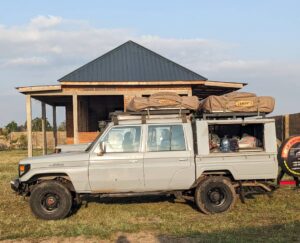
Vehicle Requirements
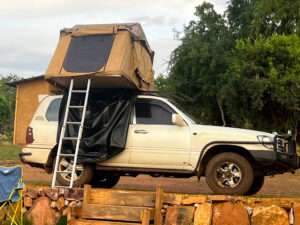
- 4×4 (Toyota Land Cruiser recommended)
- Spare tires
- Camping gear (if self-camping)
Navigation Tools
- GPS device
- Offline apps like Maps.me
- Paper maps as backup
Fuel Planning
Fuel stations are limited in remote areas—always fill up in:
- Arusha
- Karatu
- Seronera (central Serengeti)
Cost Breakdown
Kilimanjaro (Machame Route)
- Budget: $1,800 – $2,200
- Mid-range: $2,200 – $3,000
- Luxury: $3,000+
Includes:
- Park fees
- Guides and porters
- Meals and camping
Self-Drive Safari Costs (7–10 Days)
Vehicle Rental
- $70 – $150 per day
Park Fees
- $50 – $100 per day per park
Fuel
- $200 – $400 total
Accommodation
- Camping: $20 – $50/night
- Lodges: $150 – $400/night
Total Estimated Budget
- Budget travelers: $3,000 – $4,500
- Mid-range: $4,500 – $7,000
- Luxury: $7,000+
Advantages and Challenges
Advantages
✔ Full adventure experience
✔ Lower safari costs
✔ Flexible travel schedule
Challenges
✘ Post-climb fatigue
✘ Navigation difficulties
✘ Requires strong planning
Expert Tips for Success
1. Climb First, Safari Later
Always start with Kilimanjaro while your energy is high.
2. Choose a Reliable Rental Company
Pick a company in Arusha offering:
- 24/7 support
- Replacement vehicle options
- Well-maintained 4x4s
3. Pack Smart
After Kilimanjaro, you’ll appreciate:
- Clean clothes
- Comfortable shoes
- Recovery snacks
4. Book in Advance
- Kilimanjaro permits
- Vehicle rental
- Lodges (especially in Serengeti)
5. Understand Park Rules
- No off-road driving
- Speed limits enforced
- Respect wildlife distance
Is This Combination Right for You?
This trip is perfect for:
- Adventure travelers
- Budget-conscious explorers
- Experienced or confident drivers
It may not suit:
- First-time international drivers
- Travelers seeking luxury-only experiences
Final Thoughts
Combining the Machame Route with a Tanzania self-drive safari is one of the most immersive ways to experience East Africa.
You’ll go from standing atop Mount Kilimanjaro—the highest point on the continent—to driving through some of the richest wildlife ecosystems on Earth, including Serengeti National Park and the breathtaking Ngorongoro Crater.
It’s a journey that demands preparation, resilience, and a sense of adventure—but rewards you with unforgettable memories.