
A Guide to Burigi-Chato National Park, Tanzania
Burigi-Chato National Park is one of Tanzania’s most fascinating and lesser-known wildlife destinations. Located in north-western Tanzania across the Kagera and Geita regions, the park is a vast wilderness of lakes, open savannah, wooded grasslands, wetlands, rivers, hills and forest-lined valleys.
Gazetted as a national park in 2019, Burigi-Chato covers approximately 4,707 square kilometres, making it one of Tanzania’s largest national parks. The park was formed from the former Burigi, Biharamulo and Kimisi game reserves and stretches across a huge area between Lake Victoria and the border with Rwanda.
Unlike the more famous Serengeti, Ngorongoro and Tarangire, Burigi-Chato receives relatively few visitors. This gives the park a remote and peaceful atmosphere that appeals to travellers looking for an authentic wilderness experience away from busy safari circuits.
The park combines traditional African savannah wildlife with a remarkable aquatic environment. Its lakes, particularly Lake Burigi, provide important habitats for hippos, crocodiles, waterbirds and wetland species, while the surrounding plains and woodlands support elephants, buffalo, giraffes, zebras, antelopes and several large predators.
For adventurous travellers, Burigi-Chato offers the opportunity to discover a part of Tanzania where wildlife, lakes and wilderness come together in a remarkably undeveloped landscape.
Location and Geography of Burigi-Chato National Park
Burigi-Chato National Park is located in north-western Tanzania, primarily within Kagera and Geita regions.
The park extends from the western side of Lake Victoria towards the Rwandan border and encompasses parts of several districts, including Ngara, Karagwe, Biharamulo, Muleba and Chato.
The park’s landscape is exceptionally diverse. Instead of consisting only of open grasslands, Burigi-Chato contains a mixture of:
- Freshwater lakes
- Open savannah plains
- Miombo woodland
- Rolling hills
- Rocky escarpments
- Forested valleys
- Papyrus swamps
- Rivers
- Floodplains
- Tall and medium grasslands
- Springs and wetlands
This diversity of habitats is one of the park’s greatest attractions.
Lake Burigi
Lake Burigi is one of the defining features of the national park.
According to TANAPA, it is the third-largest lake in Tanzania and has a long, narrow shape with numerous islands, bays and inlets. Some of these areas are swampy and provide habitat for rare wetland species such as the sitatunga antelope and potentially the shoebill stork.
The lake also creates opportunities for boating and wildlife viewing from the water, giving Burigi-Chato a different safari character from Tanzania’s predominantly land-based wildlife destinations.
The Conservation History of Burigi-Chato
The present-day national park brings together areas that previously operated as game reserves.
Burigi, Biharamulo and Kimisi were originally established as game reserves in 1970 before being incorporated into the national park system when Burigi-Chato was gazetted as a national park in 2019.
The creation of the national park strengthened the area’s position as a protected wildlife destination and opened new opportunities for tourism, conservation and investment.
Because the park is relatively new compared with Tanzania’s better-known national parks, parts of Burigi-Chato still retain a strong sense of wilderness and exploration.
Getting to Burigi-Chato National Park
Burigi-Chato can be accessed by road, air and, in certain areas, by water.
By Road
The park can be reached through several road networks connecting north-western Tanzania.
Official TANAPA information identifies access routes including:
- Kahama–Rusumo through Nyungwe and Benaco
- Mwanza–Bukoba through Chato
- Biharamulo–Bukoba
- Chato–Biharamulo
- Karagwe–Ngara
- Omurushaka–Chamchuzi
Because the park covers such a large geographical area, the best road route depends on which section of Burigi-Chato you intend to visit.
By Air
Air access is available through several airports and airstrips serving the region.
TANAPA identifies Chato Airport, Bukoba Airport and Biharamulo Airstrip among the access options, together with an airstrip at Ihanda Village near Kayanga.
Flying can be particularly useful for travellers who want to reach this remote part of Tanzania without spending long hours travelling by road.
By Water
One of the unusual features of Burigi-Chato is that some areas can also be approached by water.
TANAPA identifies access by Lake Burigi at Nkonje and Lake Victoria at Katete in Chato District.
This provides an opportunity to combine land-based wildlife viewing with lake-based experiences.
Best Time to Visit Burigi-Chato National Park
Burigi-Chato can be visited throughout the year, although the different seasons influence the landscape, roads and distribution of wildlife.
The region experiences two main rainfall peaks, generally around November–December and March–April, with a drier period from June to September.
June to September – Dry Season
The dry months are generally favourable for wildlife viewing.
As water becomes more concentrated around lakes, rivers and springs, wildlife can become easier to locate.
Road conditions are also generally more reliable during the drier months.
October to February – Green Season
The arrival of the first rains from around October transforms the landscape.
Grasslands become greener and wildlife spreads across the wooded valleys and smaller plains.
The park’s hills and relatively stony soils can allow access to many areas even when the landscape becomes greener.
March to May – Wet Season
The wetter period produces lush vegetation and active landscapes.
Some roads may become more challenging, but the green scenery can be particularly attractive for photographers and nature enthusiasts.
Birdlife can also be rewarding around the lakes, wetlands and rivers.
Wildlife in Burigi-Chato National Park
Burigi-Chato supports a wide variety of wildlife across its savannah, woodland and wetland habitats.
TANAPA reports that wildlife numbers are increasing throughout the park. Species regularly encountered include elephants, buffalo, zebra, giraffe, waterbuck, eland, warthog, roan, topi, impala and sable.
Elephants
African elephants are among the major mammals found in Burigi-Chato.
The park’s combination of woodland, grassland and freshwater sources provides suitable habitat for these large herbivores.
Buffalo
African buffalo are another important species in the park.
They can occur in herds across grassland and woodland habitats and are among the animals that contribute to the park’s classic African safari atmosphere.
Giraffes and Zebras
Giraffes and zebras are regularly seen in the open plains and wooded savannah.
The combination of open grasslands and scattered trees creates excellent wildlife-viewing landscapes.
Antelopes
Burigi-Chato is particularly interesting for antelope enthusiasts.
Species reported from the park include:
- Eland
- Roan antelope
- Topi
- Impala
- Sable
- Waterbuck
- Oribi
- Warthog
The rare and wetland-associated sitatunga is also found in swampy areas around the lakes.
Lions, Leopards and Cheetahs
The park is also home to large carnivores.
Lions, leopards and cheetahs are present and can be encountered during game drives, although wildlife sightings are naturally unpredictable.
The remote nature of the park can make predator encounters particularly rewarding for travellers who enjoy less crowded safari environments.
Hippos and Crocodiles
The park’s lakes and rivers support significant populations of hippopotamus and crocodiles.
Lake Burigi and other water bodies provide excellent habitats for aquatic wildlife and create opportunities for viewing animals from both land and water.
Birdwatching in Burigi-Chato
Burigi-Chato is an important destination for birdwatchers because of its combination of freshwater lakes, papyrus wetlands, rivers, grasslands and woodland.
The lake islands, swampy areas and forest-lined valleys provide habitats for a wide variety of waterbirds and savannah species.
The possibility of encountering the rare shoebill is particularly attractive to dedicated birdwatchers. TANAPA notes that the swampy areas around Lake Burigi may provide habitat for this species.
Birdwatching can be incorporated into game drives, boating excursions and exploration around the wetlands.
Early morning and late afternoon are generally productive periods for bird activity.
Things to Do in Burigi-Chato National Park
Game Drives
Game drives are the main way to explore the park.
A network of viewing tracks provides access to different parts of the park and allows visitors to search for elephants, buffalo, giraffes, zebras, antelopes and predators.
Because Burigi-Chato is enormous, several days can provide a much better opportunity to experience its different habitats.
Boat Safaris
The lakes are one of the park’s defining attractions.
Boating and wildlife viewing from the water can be arranged with the park authorities in advance.
A boat safari provides a different perspective from a conventional game drive and can bring visitors closer to hippos, crocodiles and waterbirds.
Lake Exploration
Lake Burigi’s islands, bays and inlets create a particularly scenic environment.
The calm waters, surrounding hills and vegetation provide excellent opportunities for photography and nature observation.
Birdwatching
The combination of wetlands, lakes, rivers and savannah makes Burigi-Chato a promising destination for birdwatchers.
Special attention can be given to swampy areas and lake shores where waterbirds and wetland species are most likely to occur.
Wildlife Photography
The park’s remote setting and relatively low visitor numbers create excellent conditions for wildlife photography.
Photographers can capture everything from large mammals on open plains to landscapes featuring lakes, wooded valleys and distant hills.
Nature and Wilderness Exploration
Burigi-Chato is particularly suited to travellers who enjoy exploration.
Its enormous size, diverse landscapes and comparatively low tourism density create a genuine sense of wilderness.
Rather than moving between heavily visited viewpoints, travellers can spend time exploring different ecosystems and discovering the character of north-western Tanzania.
Where to Stay in Burigi-Chato National Park
Accommodation options in Burigi-Chato are developing as the park continues to grow as a tourism destination.
TANAPA’s investment information identifies potential sites for lodges and permanent tented camps within the park, including locations around Kitani Island, Mjerumani Road, Chui, Korongo and Msega.
Lodges and Tented Camps
Travellers should check current accommodation availability when planning a visit because facilities in this developing destination can change.
The park’s remote character means accommodation is generally more limited than in established safari destinations such as Serengeti or Ngorongoro.
Camping
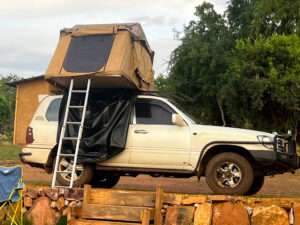
Camping can be an attractive option for adventurous travellers, particularly those exploring the park by 4×4.
Self-drive visitors should confirm the currently authorised campsites and camping requirements with TANAPA before travelling.
Practical Tips for Visiting Burigi-Chato
Use a Reliable 4×4
A capable 4×4 vehicle is strongly recommended for exploring Burigi-Chato.
The park covers a huge area and includes hills, woodland, valleys, grasslands and potentially challenging tracks.
Plan Your Route Carefully
Because Burigi-Chato is so large, choosing your entry point and accommodation before travelling is important.
The most convenient route depends on whether you are approaching from Mwanza, Bukoba, Chato, Biharamulo, the Rusumo border area or another part of north-western Tanzania.
Carry Navigation Equipment
Travellers should carry reliable navigation equipment and ensure they have sufficient fuel, water, food and communication arrangements for remote travel.
Bring Binoculars
Binoculars are particularly useful for wildlife and birdwatching, especially around the lakes and open plains.
Respect Wildlife
Always maintain a safe distance from wildlife and follow instructions from park authorities and guides.
Never approach animals on foot unless participating in an officially authorised activity.
Confirm Fees Before Travelling
TANAPA’s current tariff system covers park conservation fees and other applicable charges, and fees can change between financial years. The official TANAPA tariff page should be checked before travel.
Check Park Arrangements in Advance
Because Burigi-Chato is a remote and developing safari destination, travellers should confirm accommodation, boating, permits, access routes and other arrangements before departure.
Burigi-Chato Park Fees and Safari Costs
Burigi-Chato is managed by Tanzania National Parks Authority (TANAPA).
Park charges can include conservation fees, vehicle charges, camping or accommodation fees and fees for specific activities.
TANAPA’s official tariff system distinguishes between visitor categories including non-residents, expatriates/residents and East African citizens. Current fees should be confirmed directly through TANAPA because tariffs are periodically updated.
For travellers planning a self-drive safari, it is important to establish the full cost before entering the park, including:
- Park entrance fees
- Vehicle entry fees
- Camping fees where applicable
- Accommodation
- Boat activities
- Guide services
- Fuel
- Transfers
- Any applicable special activity fees
Burigi-Chato for Self-Drive Safaris
Burigi-Chato is particularly appealing to experienced self-drive travellers who want to explore less-visited parts of Tanzania.
A self-drive journey can combine the park with other destinations in north-western Tanzania, including Lake Victoria, Mwanza, Bukoba, Biharamulo and the Rusumo border region.
A well-equipped 4×4 is recommended, especially for travellers planning to camp.
Before setting off, travellers should confirm:
- Current park entry requirements
- Vehicle requirements
- Authorised driving routes
- Accommodation availability
- Camping options
- Fuel availability
- Boat safari arrangements
- Weather and road conditions
- Current park fees
TANAPA provides official guidance and procedures for visitors planning trips to Tanzania’s national parks.
Burigi-Chato and Lake Victoria
One of the unique advantages of Burigi-Chato is its connection with the Lake Victoria region.
The park stretches toward Lake Victoria and includes landscapes influenced by the lake and surrounding freshwater systems.
This makes it possible to combine a wildlife safari with a broader Lake Victoria itinerary.
Travellers can explore the wildlife of Burigi-Chato before continuing towards Mwanza, Bukoba or other destinations around the lake.
For visitors arriving in north-western Tanzania, this provides an opportunity to combine wildlife, landscapes, local communities and lakeside experiences in one journey.
Combining Burigi-Chato With Other Destinations
Burigi-Chato can form part of a longer north-western Tanzania itinerary.
Depending on the route, travellers can combine it with destinations such as:
- Mwanza
- Lake Victoria
- Rubondo Island National Park
- Ibanda-Kyerwa National Park
- Rumanyika-Karagwe National Park
- Biharamulo
- Bukoba
- Rusumo
- Rwanda
- Uganda
The park’s position near the borders with Rwanda and the wider Lake Victoria region also makes it interesting for travellers planning multi-country East African journeys.
However, international border crossings with a rental vehicle require advance authorisation, insurance and appropriate documentation.
Frequently Asked Questions About Burigi-Chato National Park
Where is Burigi-Chato National Park?
Burigi-Chato is located in north-western Tanzania, across Kagera and Geita regions. It stretches from the Lake Victoria area towards the Rwandan border.
When was Burigi-Chato established as a national park?
Burigi-Chato was gazetted as a national park in 2019. It incorporated the former Burigi, Biharamulo and Kimisi game reserves.
How large is Burigi-Chato National Park?
The park covers approximately 4,707 square kilometres, making it one of Tanzania’s largest national parks.
What animals can you see in Burigi-Chato?
Wildlife includes elephants, buffalo, zebras, giraffes, waterbuck, eland, roan, topi, impala, sable, oribi and warthogs. Lions, leopards and cheetahs are also present, while the lakes and rivers support hippos and crocodiles.
Can you see sitatunga in Burigi-Chato?
Yes. Sitatunga are associated with the park’s swampy habitats, particularly around the lakes.
Can you take a boat safari in Burigi-Chato?
Yes. Boating and wildlife viewing from the lakes are possible by prior arrangement with park authorities.
Is Burigi-Chato good for self-drive?
The park can be attractive for experienced self-drive travellers with suitable 4×4 vehicles. However, its large size and remote character mean careful route planning and preparation are important.
What is the best time to visit Burigi-Chato?
The dry months from June to September are generally favourable for wildlife viewing, while the greener months offer attractive scenery and opportunities for photography and birdwatching.
How do you get to Burigi-Chato?
The park can be accessed by road from several directions and by air through Chato, Bukoba and Biharamulo, as well as other regional airstrips. Certain areas can also be reached by water.
Is Burigi-Chato suitable for a remote safari?
Yes. Its huge size, diverse habitats and comparatively low tourism development make it particularly appealing to travellers looking for a quieter and more remote Tanzanian safari experience.
Plan Your Burigi-Chato Safari
Burigi-Chato National Park offers a very different safari experience from Tanzania’s better-known destinations.
Its combination of expansive savannah, Miombo woodland, freshwater lakes, wetlands, hills and remote wilderness creates a landscape with enormous potential for wildlife enthusiasts, photographers, birdwatchers and adventurous self-drive travellers.
The presence of elephants, buffalo, giraffes, zebras, antelopes and large carnivores gives the park a genuine African safari character, while Lake Burigi and the surrounding wetlands add an unusual aquatic dimension.
For travellers willing to venture beyond Tanzania’s established safari circuit, Burigi-Chato provides an opportunity to discover a vast and still relatively quiet wilderness.
Plan your Burigi-Chato safari with experienced local specialists and explore one of Tanzania’s emerging wildlife destinations by 4×4, guided safari vehicle or a customised East African adventure.