
Why Self-Drive Safari and Camping Gear in Serengeti Is Perfect for You
A safari in Serengeti National Park is often seen as a luxury experience filled with high-end lodges and guided tours. But there’s another way—one that offers deeper immersion, greater freedom, and unmatched adventure: a self-drive camping safari.
This style of travel is growing rapidly among explorers who want more than just a packaged experience. It’s about taking control of your journey, sleeping under the African sky, and experiencing wildlife on your own terms.
Whether you’re a seasoned traveler or a first-time visitor looking for something unique, this guide explains why a self-drive camping safari in the Serengeti might be the perfect choice for you.
What Is a Self-Drive Camping Safari?
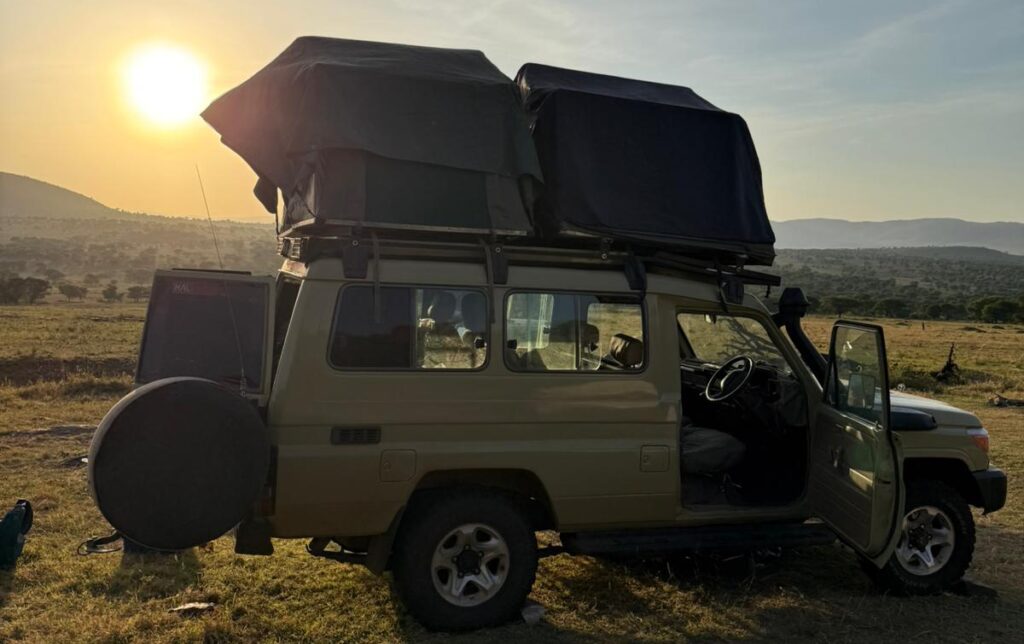
A self-drive camping safari means renting a fully equipped 4×4 vehicle—often with a rooftop tent—and exploring Tanzania’s national parks independently. Instead of staying in lodges, you camp at designated campsites within or near the parks.
This approach combines:
- Adventure travel
- Budget-friendly exploration
- Authentic wildlife experiences
Popular routes often include the famous Northern Circuit:
- Tarangire National Park
- Lake Manyara National Park
- Ngorongoro Crater
- Serengeti National Park
1. Freedom and Flexibility Like No Other Safari
One of the biggest advantages of a self-drive safari is complete independence.
Unlike guided tours where schedules are fixed, you can:
- Wake up before sunrise for early game drives
- Spend hours watching a lion pride without being rushed
- Change routes based on wildlife movement
This is particularly valuable during the Great Migration, where timing and location are everything. You can follow the herds at your own pace instead of relying on a guide’s itinerary.
2. A Budget-Friendly Way to Explore the Serengeti
Let’s be honest—traditional Serengeti safaris can be expensive. Luxury lodges and guided tours quickly add up.
A self-drive camping safari helps you save significantly by:
- Avoiding high accommodation costs
- Cooking your own meals
- Skipping daily guide fees
Typical Cost Comparison (Per Day Per Person)
| Safari Type | Estimated Cost |
|---|---|
| Luxury Lodge Safari | $400–$1000+ |
| Mid-range Safari | $250–$400 |
| Self-Drive Camping Safari | $80–$200 |
This makes the Serengeti accessible to:
- Budget travelers
- Backpackers
- Long-term explorers
3. A Deep Connection with Nature
Camping in the Serengeti is not just accommodation—it’s an experience.
Imagine:
- Falling asleep to distant lion roars
- Hearing hyenas laughing in the night
- Watching sunrise over endless plains
This level of immersion is impossible in enclosed lodges.
Nearby ecosystems like the Ngorongoro Conservation Area enhance the experience even further, offering diverse landscapes and wildlife.
4. Adventure and Personal Achievement
A self-drive safari transforms your trip into an active adventure rather than a passive tour.
You’ll:
- Navigate rugged terrain
- Plan routes and fuel stops
- Set up and manage your campsite
This creates a strong sense of accomplishment and makes your journey truly memorable.
5. Privacy and Exclusivity
In a self-drive setup, your safari is entirely private.
No sharing vehicles. No fixed schedules. No crowded viewpoints.
You can:
- Enjoy quiet wildlife encounters
- Travel with your own group
- Create a personalized experience
6. Perfect for Wildlife Photography
The Serengeti is one of the best wildlife photography destinations in the world.
With a self-drive safari:
- You control positioning for the best angles
- You can revisit locations multiple times
- You avoid crowds from tour vehicles
Wildlife highlights include:
- Lions and cheetahs
- Elephants and giraffes
- Wildebeest and zebras
7. The Role of Camping Gear in Your Safari
Your camping gear is what makes this experience comfortable and enjoyable.
Essential Equipment
- Rooftop or ground tent
- Sleeping bags
- Camping chairs and table
- Portable stove and cooking gear
- Cooler or fridge
Why Rooftop Tents Are Popular
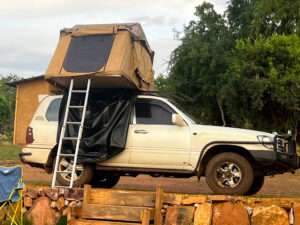
Rooftop tents are widely used in Tanzania because they offer:
- Safety from wildlife
- Quick setup and pack-down
- Elevated sleeping comfort
They are ideal for both beginners and experienced travelers.
8. Access to Remote and Less Crowded Areas
Guided safaris often stick to popular routes. With a self-drive, you can explore:
- Remote corners of the Serengeti
- Hidden wildlife hotspots
- Less crowded game-viewing areas
This leads to more intimate and rewarding wildlife encounters.
9. Combine Multiple Destinations in One Trip
A self-drive safari allows you to build a flexible itinerary across northern Tanzania.
You can easily combine:
- Tarangire National Park – famous for elephants
- Lake Manyara National Park – tree-climbing lions
- Ngorongoro Crater – dense wildlife concentration
- Serengeti National Park – endless plains and migration
This creates a diverse and unforgettable safari circuit.
10. A More Authentic Safari Experience
Self-drive camping brings you closer to the original spirit of safari—exploration and discovery.
You’re not just observing Africa—you’re living it.
Practical Tips for a Successful Self-Drive Safari
1. Choose the Right Vehicle
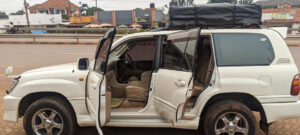
A 4×4 Land Cruiser or similar is essential for Serengeti roads.
2. Plan Your Route Carefully
Distances are long, and fuel stations are limited.
3. Book Campsites in Advance
Especially during peak seasons.
4. Carry Navigation Tools
GPS and offline maps are crucial.
5. Understand Park Rules
Respect wildlife and follow safety guidelines.
Challenges to Consider
While rewarding, self-drive camping isn’t for everyone.
Potential challenges include:
- Rough road conditions
- Navigation difficulties
- Limited mechanical support
- Wildlife safety awareness
First-time visitors may consider combining self-drive with occasional guided support.
Who Should Choose This Safari Style?
A self-drive camping safari is ideal for:
- Adventure seekers
- Budget travelers
- Photographers
- Couples and small groups
- Experienced road-trippers
Sample 7-Day Self-Drive Camping Itinerary
Day 1: Arusha to Tarangire
Explore elephants and baobabs in Tarangire National Park
Day 2: Lake Manyara
Game drive in Lake Manyara National Park
Day 3: Ngorongoro Crater
Descend into Ngorongoro Crater
Day 4–6: Serengeti Exploration
Full safari experience in Serengeti National Park
Day 7: Return to Arusha
Packing Checklist for Serengeti Camping Safari
Essentials
- Passport and permits
- Driving license
- Cash and cards
Camping Gear
- Tent (rooftop recommended)
- Sleeping gear
- Cooking equipment
Safari Gear
- Binoculars
- Camera
- Power banks
Personal Items
- Sunscreen
- First aid kit
- Insect repellent
Final Thoughts: Is It Worth It?
A self-drive camping safari in Serengeti National Park is more than just a trip—it’s an adventure that combines freedom, affordability, and authenticity.
It allows you to:
- Experience wildlife on your own terms
- Connect deeply with nature
- Travel at your own pace
If you’re looking for a safari that goes beyond luxury and delivers real adventure, this is undoubtedly one of the best ways to explore Tanzania.
Ready to Plan Your Safari?
Whether you’re traveling solo or with a group, a self-drive camping safari offers an unforgettable journey through some of Africa’s most iconic landscapes.