
20 Days Rwanda and Tanzania Self-Drive Camping Safari – From US$3,000
Introduction: Explore Rwanda and Tanzania on a 20-Day Self-Drive Camping Safari
Discover two of East Africa’s most remarkable destinations on an unforgettable 20-day Rwanda and Tanzania self-drive camping safari. Starting from approximately US$3,000 per person sharing, this adventure combines mountain gorilla trekking, spectacular wildlife encounters, scenic landscapes, cultural experiences and the freedom of travelling independently.
Rwanda and Tanzania offer contrasting yet complementary travel experiences. Rwanda is renowned for its endangered mountain gorillas, volcanic mountains, beautiful lakes and lush rainforests. Tanzania, meanwhile, is famous for its vast savannah plains, the Great Wildebeest Migration, the Big Five and some of Africa’s most celebrated national parks.
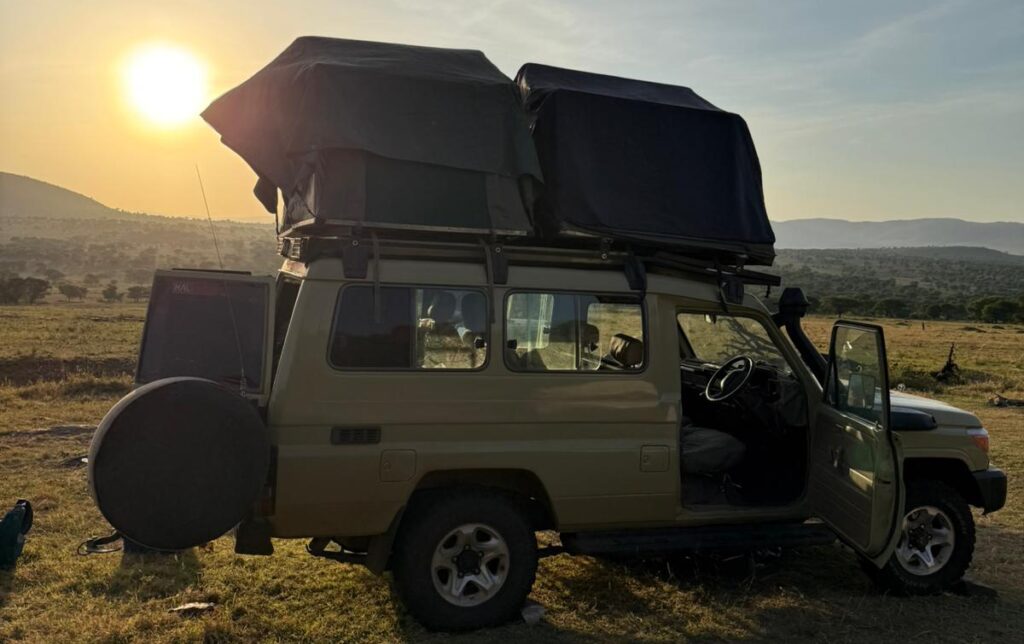
Travelling in a reliable 4×4 rental vehicle equipped with rooftop tents and camping facilities gives you the flexibility to explore at your own pace while enjoying the adventure of sleeping in selected campsites along the way.
Your journey begins in Kigali, Rwanda, with an excursion to Volcanoes National Park for an unforgettable primate experience. You will then travel through Uganda before entering Tanzania, where the adventure continues around Lake Victoria and through the spectacular northern safari circuit, including Serengeti National Park, Ngorongoro Conservation Area, Lake Manyara National Park and Tarangire National Park. The itinerary concludes with an exploration of the dramatic landscapes around Lake Natron before returning to Arusha.
Whether you are travelling as a couple, a group of friends or a small family, this itinerary offers an exciting combination of wildlife, adventure and outdoor exploration.
Why Choose a Rwanda and Tanzania Self-Drive Camping Safari?
1. Discover Two Exceptional East African Destinations
Rwanda and Tanzania offer different but complementary experiences. Rwanda provides extraordinary primate encounters and beautiful volcanic scenery, while Tanzania is home to extensive savannah ecosystems and world-famous wildlife destinations.
Combining the two countries allows you to experience the diversity of East Africa in one memorable road trip.
2. Enjoy the Freedom of Camping
Camping is an excellent way to manage accommodation costs during a long African road trip. With a 4×4 camping vehicle equipped with a rooftop tent, sleeping mattresses, bedding and cooking equipment, you can enjoy outdoor accommodation at selected campsites.
This style of travel is particularly suitable for adventurous travellers who enjoy nature, flexibility and independent exploration.
3. Encounter Mountain Gorillas and African Wildlife
Rwanda is one of the world’s leading destinations for mountain gorilla trekking. Tanzania offers excellent opportunities to encounter elephants, lions, leopards, buffaloes, rhinos, giraffes, zebras and many other wildlife species.
From the mountain forests of Volcanoes National Park to the open plains of the Serengeti, this journey offers a remarkable variety of wildlife experiences.
4. Follow the Great Wildebeest Migration
Depending on your travel dates, you can explore Serengeti National Park during the Great Wildebeest Migration.
This extraordinary natural event involves millions of wildebeest and zebras moving through the Serengeti ecosystem in search of fresh grazing and water. The location of the herds changes throughout the year, making travel dates an important consideration when planning your safari.
5. Explore Tanzania’s Famous Northern Safari Circuit
Tanzania’s northern safari circuit brings together some of Africa’s most celebrated wildlife destinations. The route includes Serengeti National Park, Ngorongoro Conservation Area, Tarangire National Park and Lake Manyara National Park.
Each destination offers different landscapes and wildlife habitats, making the circuit particularly rewarding for wildlife photography, camping and independent safari travel.
Detailed 20-Day Rwanda and Tanzania Self-Drive Camping Safari Itinerary
Day 1: Arrival in Kigali, Rwanda
Arrive at Kigali International Airport and transfer to your accommodation or collect your pre-arranged rental vehicle, depending on your arrival arrangements.
Complete the vehicle handover, inspect the camping equipment and receive a briefing on the route, vehicle operation and cross-border travel requirements.
Depending on your arrival time, you may explore Kigali’s main attractions, including the Kigali Genocide Memorial and local markets.
Overnight: Kigali.
Day 2: Kigali to Volcanoes National Park
After breakfast, drive north towards Musanze, the gateway to Volcanoes National Park.
Enjoy Rwanda’s beautiful countryside, characterized by rolling hills, terraced farms, green valleys and traditional villages. On arrival, settle into your accommodation or campsite and prepare for the following day’s trekking experience.
Overnight: Musanze.
Day 3: Mountain Gorilla Trekking in Volcanoes National Park
Today is dedicated to one of Rwanda’s most memorable wildlife experiences: mountain gorilla trekking in Volcanoes National Park.
After an early briefing at the park headquarters, join an authorized trekking group and enter the forest in search of one of the habituated mountain gorilla families. The duration of the trek depends on the location and movement of the gorillas.
Alternatively, travellers who prefer a shorter primate experience can arrange golden monkey trekking in Rwanda.
Gorilla and golden monkey permits are separate activities and should be reserved in advance.
Overnight: Musanze.
Day 4: Volcanoes National Park to Kigali
Enjoy breakfast before returning to Kigali.
Use the afternoon to rest, purchase travel supplies and prepare for the cross-border journey through Uganda into Tanzania. Ensure that your vehicle documents, insurance and travel arrangements are ready before departure.
Overnight: Kigali.
Day 5: Kigali to Kampala, Uganda
Depart Kigali and travel towards the Rwanda-Uganda border.
Complete immigration and vehicle formalities before continuing to Kampala, Uganda’s capital city. The journey provides an opportunity to appreciate the changing landscapes of the region.
On arrival, relax and prepare for the next stage of the journey.
Overnight: Kampala.
Day 6: Kampala to Jinja
After breakfast, drive east towards Jinja, a popular destination near the source of the River Nile.
Explore the beautiful surroundings of Lake Victoria and the Nile River. Optional activities include boat excursions, cultural experiences and adventure activities.
Jinja provides a pleasant break before the longer journey towards Tanzania.
Overnight: Jinja.
Day 7: Jinja to Mwanza, Tanzania
Depart Jinja and travel towards the Uganda-Tanzania border, using the confirmed route through the Mutukula border crossing or another suitable crossing approved for your journey.
Complete immigration procedures and vehicle documentation before continuing towards Mwanza, located on the southern shores of Lake Victoria.
This is a relatively long driving day, so an early departure is recommended. Allow additional time for border formalities, road conditions and rest stops.
Overnight: Mwanza.
Day 8: Mwanza to Serengeti National Park
After breakfast, depart Mwanza and travel towards Serengeti National Park.
The route takes you through rural communities and changing landscapes as you approach one of Africa’s most celebrated wildlife destinations.
Your entry gate and campsite should be selected according to the route, road conditions and seasonal wildlife movements. If time permits, enjoy an introductory game drive on arrival.
Overnight: Designated Serengeti campsite.
Day 9: Full-Day Wildlife Safari in Serengeti National Park
Spend the day exploring the magnificent Serengeti National Park.
The park is famous for its large populations of lions, leopards, cheetahs, elephants, buffaloes, giraffes and numerous other wildlife species.
Depending on the season, you may also encounter large herds of wildebeest and zebras participating in the Great Wildebeest Migration.
Your game drive route can be planned around the location of the wildlife and the area in which you are camping.
Overnight: Designated Serengeti campsite.
Day 10: Another Day Exploring the Serengeti
Enjoy another full day of wildlife viewing in the Serengeti ecosystem.
The park’s vast grasslands, rocky kopjes and riverine habitats provide opportunities to discover different wildlife species and observe predator activity.
During the migration season, your game drive location can be selected according to the movement of the herds. Outside the migration period, the Serengeti remains an excellent destination for resident wildlife and big-cat sightings.
Overnight: Designated Serengeti campsite.
Day 11: Serengeti to Ngorongoro Conservation Area
Enjoy a morning game drive before continuing towards the Ngorongoro Conservation Area.
The journey passes through the scenic highlands and offers spectacular views of the surrounding landscapes. Depending on your confirmed route and campsite booking, you may spend the night near the crater rim or at another approved campsite within the conservation area.
Overnight: Approved Ngorongoro area campsite.
Day 12: Ngorongoro Crater Safari
Today, descend into the spectacular Ngorongoro Crater for a memorable wildlife safari.
The crater is one of Africa’s most remarkable wildlife destinations, supporting lions, elephants, buffaloes, zebras, hippos and numerous other species. It is also one of Tanzania’s important locations for searching for the endangered black rhinoceros.
Enjoy a game drive across the crater floor before returning to your designated campsite.
Crater service fees and applicable conservation charges should be confirmed in advance.
Overnight: Approved Ngorongoro area campsite.
Day 13: Ngorongoro to Lake Manyara National Park
After breakfast, drive towards Lake Manyara National Park, a beautiful destination characterized by groundwater forests, open plains, woodland and lake habitats.
The park is famous for its birdlife, elephants, baboons and tree-climbing lions. Depending on your arrival time and park arrangements, enjoy an afternoon game drive.
Overnight: Lake Manyara area campsite.
Day 14: Lake Manyara to Tarangire National Park
Continue towards Tarangire National Park, famous for its large elephant herds, ancient baobab trees and spectacular savannah landscapes.
The park is particularly rewarding during the dry season when wildlife gathers around the Tarangire River.
Enjoy an afternoon game drive and explore the park’s diverse habitats.
Overnight: Designated Tarangire campsite or approved nearby campsite.
Day 15: Full-Day Safari in Tarangire National Park
Spend another day exploring Tarangire National Park.
Look out for elephants, lions, giraffes, zebras, wildebeest, buffaloes and numerous bird species. The park’s ancient baobab trees provide a spectacular setting for wildlife photography.
A full day allows you to explore different sections of the park without rushing your experience.
Overnight: Designated Tarangire campsite or approved nearby campsite.
Day 16: Tarangire to Arusha
Enjoy breakfast before leaving Tarangire and driving towards Arusha.
The journey offers opportunities to appreciate the landscapes surrounding Mount Meru. On arrival, you can visit local markets, restock supplies or relax after several days of camping and wildlife exploration.
Arusha is also a convenient place to check the vehicle and camping equipment before continuing towards Lake Natron.
Overnight: Arusha.
Day 17: Arusha to Lake Natron
Depart Arusha and drive towards Lake Natron, one of Tanzania’s most dramatic and remote landscapes.
The journey passes through the Great Rift Valley, traditional Maasai communities and spectacular volcanic scenery.
Lake Natron is famous for its alkaline waters, seasonal flamingo populations and impressive views of Ol Doinyo Lengai, an active volcano.
The journey requires careful planning because road conditions can vary, particularly during rainy periods.
Overnight: Lake Natron campsite.
Day 18: Explore Lake Natron and Engare Sero Waterfalls
Spend the day exploring the Lake Natron area.
Optional activities include a guided walk to Engare Sero Waterfalls, exploring the surrounding landscapes and enjoying views of Ol Doinyo Lengai.
You can also arrange a local cultural experience with Maasai communities to learn about traditional lifestyles and the region’s cultural heritage.
Activities around the lake and waterfalls should be arranged with local guides where required.
Overnight: Lake Natron campsite.
Day 19: Lake Natron to Arusha
After breakfast, begin the return journey towards Arusha.
Enjoy the scenic drive through Tanzania’s northern landscapes, with opportunities to appreciate the Rift Valley scenery and rural communities along the way.
Arrive in Arusha, return to your accommodation or campsite and prepare for the end of your adventure.
Overnight: Arusha.
Day 20: Departure from Tanzania
Depending on your flight schedule, enjoy breakfast before returning your rental vehicle.
Complete the vehicle inspection and any outstanding rental formalities before transferring to Kilimanjaro International Airport or continuing with your onward travel arrangements.
End of your 20-day Rwanda and Tanzania self-drive camping safari.
Best National Parks and Attractions on a Rwanda and Tanzania Camping Safari
Volcanoes National Park – Rwanda
Volcanoes National Park is one of Africa’s most famous mountain gorilla trekking destinations.
Located in the Virunga Mountains, the park is home to endangered mountain gorillas and golden monkeys. Visitors can enjoy guided trekking experiences, beautiful volcanic scenery and cultural activities around Musanze.
Serengeti National Park – Tanzania
Serengeti National Park is one of the world’s most celebrated wildlife destinations.
It is famous for the Great Wildebeest Migration, large predator populations and endless savannah landscapes. The park offers excellent opportunities for wildlife photography, game drives and designated public camping experiences.
Ngorongoro Conservation Area – Tanzania
The Ngorongoro Conservation Area is home to the spectacular Ngorongoro Crater, one of Africa’s most important wildlife destinations.
Visitors can enjoy crater game drives, scenic viewpoints and cultural experiences in the surrounding highlands. Its remarkable concentration of wildlife makes it a major highlight of Tanzania’s northern safari circuit.
Lake Manyara National Park – Tanzania
Lake Manyara National Park is known for its groundwater forest, diverse birdlife, elephants and famous tree-climbing lions.
Its combination of forest, woodland, open grassland and lake habitats makes it a rewarding destination for wildlife enthusiasts.
Tarangire National Park – Tanzania
Tarangire National Park is particularly famous for its large elephant herds, ancient baobab trees and seasonal wildlife concentrations.
It is an excellent destination for travellers interested in Tanzania camping safaris and quieter wildlife experiences.
Lake Natron – Tanzania
Lake Natron offers a different experience from the traditional northern safari circuit.
Its dramatic volcanic landscapes, flamingos, waterfalls and Maasai cultural experiences make it an attractive addition to a Tanzania self-drive adventure.
Camping Equipment for a Rwanda and Tanzania Self-Drive Safari
A well-equipped 4×4 safari vehicle is essential for enjoying a comfortable camping road trip across Rwanda, Uganda and Tanzania.
Recommended equipment includes:
- Toyota Land Cruiser, Land Cruiser Prado or another suitable 4×4.
- One or two rooftop tents, depending on group size.
- Comfortable sleeping mattresses.
- Sleeping bags and pillows.
- Camping table and chairs.
- Gas stove and cooking equipment.
- Pots, plates and kitchen utensils.
- Fridge or cooler box.
- Water storage containers.
- Camping lights and rechargeable torches.
- First-aid kit.
- Recovery equipment and suitable spare tyres.
For couples, one rooftop tent is generally sufficient. Larger families or groups may require two rooftop tents or a combination of rooftop and ground tents, depending on vehicle capacity and the number of passengers.
The vehicle should also have suitable ground clearance, reliable tyres and adequate luggage capacity for the long distances and varied road conditions.
Estimated Cost: Rwanda and Tanzania Self-Drive Camping Safari from US$3,000
The indicative starting budget for this 20-day Rwanda and Tanzania self-drive camping safari is approximately US$3,000 per person sharing.
The final price will depend on the number of travellers, rental vehicle category, camping equipment, travel dates and confirmed package inclusions.
Potential cost components include:
- 20-day 4×4 car rental in East Africa.
- Rooftop tents and camping equipment.
- Selected campsite accommodation.
- Fuel allowance.
- Cross-border vehicle arrangements.
- Basic vehicle insurance, subject to the applicable excess.
- Park fees and other activities, where specifically included in the quotation.
Important Budget Considerations
The US$3,000 starting price should be treated as an indicative shared-traveller budget, not a guaranteed all-inclusive price.
The following expenses should be clearly itemized in the final quotation:
- Rwanda gorilla trekking permits and any optional golden monkey permits.
- Tanzania national park entrance and camping fees.
- Ngorongoro Crater service fees and applicable conservation charges.
- Fuel and any additional vehicle expenses.
- Meals, drinks and personal expenses.
- International border charges and applicable vehicle documentation costs.
- Optional guided activities and cultural experiences.
The Serengeti and Ngorongoro sections can have a significant effect on the overall safari budget because of park entry charges, camping fees and crater-related costs.
The final quotation should also confirm whether the rental company permits the vehicle to travel from Rwanda through Uganda and into Tanzania, including any additional cross-border insurance or authorization charges.
Important Tips for Self-Driving Between Rwanda and Tanzania
Cross-Border Vehicle Authorization
Before booking, confirm that the rental company allows its vehicle to travel through Uganda and enter Tanzania.
The rental company should arrange or provide the required vehicle documentation, authorization and insurance for all three countries.
Do not assume that permission to drive in Rwanda automatically includes Uganda and Tanzania.
Driving Regulations
Rwanda drives on the right-hand side of the road, while Uganda and Tanzania drive on the left.
Take extra care when crossing between countries, particularly when leaving border areas and joining local roads.
Driving Distances and Border Crossings
This itinerary includes several long driving days, especially between Rwanda, Uganda, Mwanza and the Serengeti.
Allow sufficient time for immigration procedures, vehicle inspections, road conditions, fuel stops and rest breaks. Avoid planning long-distance drives after dark.
National Park Regulations
Follow all national park speed limits, driving restrictions and camping regulations.
Some activities, including mountain gorilla trekking, require authorized guides and advance permits. In Tanzania, use approved campsites and follow the applicable park rules for self-drive visitors.
Vehicle Preparation
Before departure, inspect the tyres, spare wheels, brakes, recovery equipment, engine fluids and camping equipment.
A reliable 4×4 with suitable ground clearance is particularly important for Tanzania’s national park roads and the route towards Lake Natron.
Best Time for a Rwanda and Tanzania Self-Drive Camping Safari
Rwanda and Tanzania can be visited throughout the year, although the best travel period depends on the experiences you want to enjoy.
June to October is generally a popular period for wildlife viewing, with relatively dry conditions across many destinations. These months are also attractive for travellers planning to explore the Serengeti and other northern circuit parks.
The Great Wildebeest Migration in Serengeti National Park changes location throughout the year. The southern Serengeti and Ndutu area are particularly important during the calving season, generally from January to March. The western and northern Serengeti offer other migration opportunities at different times of the year.
January and February are also attractive months for wildlife viewing in many Tanzanian parks.
March to May is generally a wetter period, while October and November can also experience seasonal rains. Heavy rainfall may affect some roads, particularly around remote destinations such as Lake Natron.
For travellers interested in mountain gorilla trekking, the drier months are generally convenient because forest trails may be less muddy. However, gorilla trekking is available throughout the year, subject to permit availability and park arrangements.
Frequently Asked Questions
1. Can I drive from Rwanda to Tanzania in one rental vehicle?
Yes, provided the rental company authorizes travel through Uganda and Tanzania. The vehicle must have the necessary cross-border documentation and insurance for all three countries.
2. Is US$3,000 enough for a 20-day Rwanda and Tanzania safari?
US$3,000 per person sharing can serve as an indicative starting budget for a camping-based trip, depending on group size and package inclusions. Gorilla permits, Tanzania park fees, fuel and other expenses must be carefully budgeted and confirmed in the quotation.
3. Can I visit the Serengeti during the Great Migration?
Yes. The Serengeti hosts the annual wildebeest migration, but the best location depends on your travel dates and the seasonal movement of the herds. It is important to plan your route around the expected migration location.
4. Can I do gorilla trekking in Rwanda before travelling to Tanzania?
Yes. You can arrange mountain gorilla trekking in Volcanoes National Park before continuing through Uganda towards Tanzania.
5. Is a rooftop tent suitable for a Tanzania camping safari?
Yes. A rooftop tent is an excellent option for couples and small groups exploring Tanzania. Larger families may require additional ground tents or multiple rooftop tents, depending on the vehicle and group size.
6. Can I explore Tanzania’s national parks without a driver?
Yes. Tanzania self-drive safaris are possible in several national parks, subject to park regulations, vehicle requirements and the necessary entry arrangements. Travellers should familiarize themselves with park rules before entering.
7. Can I collect the vehicle in Kigali and return it in Arusha?
This depends on the rental company’s one-way rental arrangements. Confirm whether the vehicle can be collected in Kigali and returned in Arusha, as well as any additional cross-border and one-way drop-off charges.
8. Does the safari price include gorilla trekking and Tanzania park fees?
Not necessarily. These are major cost items and should be clearly listed in the quotation. Confirm whether permits, park entrance fees, camping charges and crater fees are included or payable separately.
Book Your 20-Day Rwanda and Tanzania Self-Drive Camping Safari
Are you ready for an unforgettable East African road trip?
Our Rwanda and Tanzania self-drive camping safari offers an exciting opportunity to encounter mountain gorillas, explore the Serengeti, discover Ngorongoro Crater and experience the spectacular landscapes of Tarangire, Lake Manyara and Lake Natron.
We can help arrange a reliable 4×4 rental vehicle, rooftop tents, camping equipment, cross-border vehicle documentation and safari planning assistance.
Indicative starting budget: US$3,000 per person sharing.
Contact our team today to customize your 20-day Rwanda and Tanzania self-drive camping safari and start planning your East African adventure.