
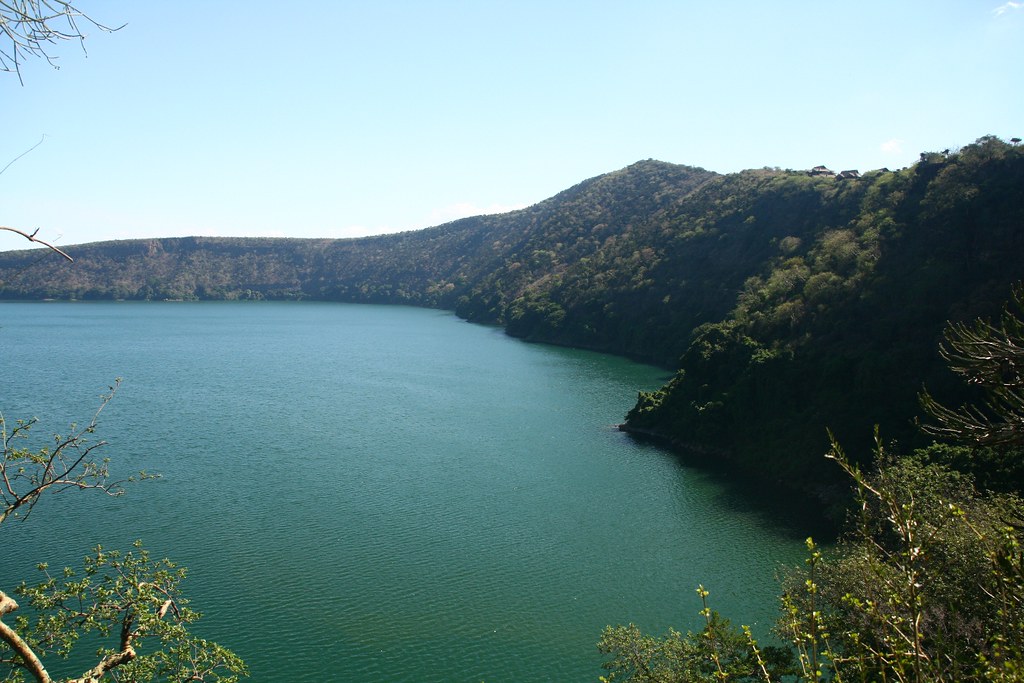
Is Ngorongoro Crater Worth the Money and Time? The Honest Safari Guide for Travelers
Introduction
When planning a safari in Tanzania, one destination almost always appears at the top of the list: Ngorongoro Crater. Known as one of Africa’s most iconic safari destinations, the crater attracts thousands of travelers every year looking for breathtaking scenery, incredible wildlife, and the chance to experience one of the natural wonders of the world.
But with rising park fees, conservation charges, and safari costs, many travelers ask the same important question:
Is Ngorongoro Crater really worth the money and time?
The short answer is yes — for most travelers, especially first-time safari visitors. However, the full answer depends on your safari style, budget, travel expectations, and what kind of wilderness experience you are looking for.
This detailed guide explains:
- What makes Ngorongoro Crater special
- The advantages and disadvantages of visiting
- Wildlife you can expect to see
- How much it costs
- Whether it’s better than Serengeti
- Who should visit
- Who might skip it
- Tips for maximizing your safari experience
By the end of this guide, you will know whether Ngorongoro Crater deserves a place in your Tanzania safari itinerary.
What Is Ngorongoro Crater?
Ngorongoro Conservation Area is a UNESCO World Heritage Site located in northern Tanzania between Lake Manyara National Park and Serengeti National Park.
At the center of the conservation area lies the famous Ngorongoro Crater — the world’s largest intact volcanic caldera.
Millions of years ago, a massive volcano erupted and collapsed inward, creating a gigantic natural bowl measuring:
- About 260 square kilometers
- Approximately 600 meters deep
- Around 19 kilometers wide
Today, the crater floor forms a unique ecosystem filled with:
- Grasslands
- Acacia forests
- Swamps
- Soda lakes
- Rivers
- Dense wildlife populations
Because animals rarely migrate out of the crater, wildlife viewing is exceptional year-round.

Why Ngorongoro Crater Is So Famous
Ngorongoro Crater is often called:
- “Africa’s Garden of Eden”
- “The Eighth Wonder of the World”
- “The Natural Zoo”
These names exist for good reason.
Very few places in Africa combine:
- spectacular scenery,
- dense wildlife populations,
- easy game viewing,
- and dramatic landscapes
in such a compact area.
Unlike larger parks where wildlife can be spread out over thousands of square kilometers, Ngorongoro offers concentrated wildlife encounters in a relatively small area.
For many travelers, this means:
- more sightings,
- less driving,
- and higher safari satisfaction.
Reasons Why Ngorongoro Crater Is Worth the Money
1. Exceptional Wildlife Density
One of the biggest reasons travelers love Ngorongoro is the sheer number of animals.
The crater floor supports approximately 25,000 large animals, including:
- Lions
- Elephants
- Buffalo
- Zebras
- Wildebeest
- Hyenas
- Hippos
- Gazelles
- Flamingos
- Jackals
Most importantly, Ngorongoro is one of the best places in Tanzania to see the endangered black rhino.
Many visitors manage to see the Big Five in a single day:
- Lion
- Leopard
- Elephant
- Buffalo
- Rhino
That alone makes the crater incredibly valuable for travelers with limited safari time.
2. Stunning Scenery
Even travelers who have visited other African parks are often amazed by the scenery inside Ngorongoro Crater.
Descending into the crater feels like entering another world.
The landscape changes constantly:
- lush forests near the rim,
- open plains,
- shimmering lakes,
- marshes,
- and dramatic crater walls surrounding everything.

Photographers especially love:
- sunrise over the crater rim,
- misty mornings,
- dramatic light,
- and panoramic wildlife scenes.
3. Great for First-Time Safari Travelers
If this is your first safari in Africa, Ngorongoro delivers a classic safari experience quickly and efficiently.
You do not need:
- multiple days,
- extensive tracking,
- or luck
to see incredible wildlife.
Even a single crater game drive often feels rewarding.
This makes Ngorongoro ideal for:
- families,
- honeymooners,
- short vacations,
- and travelers combining safari with Zanzibar.
4. Excellent Year-Round Safari Destination
Unlike some parks that depend heavily on seasonal migration patterns, Ngorongoro offers good wildlife viewing throughout the year.
Because many animals stay inside the crater permanently, game viewing remains consistent in:
- dry season,
- green season,
- and shoulder seasons.
That reliability makes trip planning easier.
5. Easy Wildlife Viewing
In large wilderness areas like Serengeti National Park, animals can sometimes be difficult to locate because they roam enormous distances.
Ngorongoro is different.
The crater naturally contains wildlife within a smaller ecosystem, making sightings easier and more frequent.
This means:
- less time searching,
- more time enjoying,
- and better experiences for children or elderly travelers.
The Downsides of Visiting Ngorongoro Crater
Although Ngorongoro is incredible, it is not perfect for everyone.
1. It Is Expensive
Ngorongoro is one of Tanzania’s most expensive safari destinations.
Costs may include:
- conservation area entry fees,
- crater descent fees,
- vehicle fees,
- camping fees,
- accommodation costs.
For self-drive travelers, the total can add up quickly.
Compared to other parks, Ngorongoro sometimes feels expensive for a one-day experience.
2. Crowds During Peak Season
Because Ngorongoro is extremely popular, you may encounter:
- many safari vehicles,
- crowded animal sightings,
- traffic near lions or rhinos.
Peak months include:
- June to October
- December to February
Travelers seeking remote wilderness may find the crater less wild compared to southern Tanzania parks.
3. Limited Off-Road Freedom
Strict conservation rules protect the crater ecosystem.
This means:
- vehicles stay on designated roads,
- off-road driving is prohibited,
- game drives follow structured routes.
While this protects nature, some safari enthusiasts prefer freer exploration elsewhere.
4. Serengeti Offers More Drama
If your dream safari includes:
- river crossings,
- predator chases,
- massive wildebeest migration scenes,
- endless plains,
then Serengeti National Park may feel more exciting.
Ngorongoro offers density and scenery.
Serengeti offers scale and wilderness drama.
Ngorongoro vs Serengeti: Which Is Better?
This is one of the most common safari questions.
The truth is:
they are completely different experiences.
Ngorongoro Is Better For:
- Short safaris
- Big Five sightings
- Scenic beauty
- Families
- First-time safari travelers
- Easy wildlife viewing
Serengeti Is Better For:
- Migration safaris
- Endless wilderness
- Predator action
- Multi-day safaris
- Remote safari feeling
- Photography diversity
The best option is usually combining both.
How Much Time Do You Need in Ngorongoro?
Most travelers spend:
- 1 full game drive day inside the crater
- 1 overnight stay on the crater rim or nearby Karatu
This is usually enough.
Unlike Serengeti, Ngorongoro does not require several days for rewarding wildlife viewing.
Is Ngorongoro Worth It for Self-Drive Travelers?
Yes — but planning matters.
Self-drive travelers should understand:
- park fees,
- crater descent fees,
- fuel planning,
- road conditions,
- and timing.
Driving inside the crater is manageable with a proper 4×4 vehicle.
However:
- steep crater roads,
- dust,
- and occasional rain conditions
mean a reliable safari vehicle is essential.

Best Time to Visit Ngorongoro Crater
Dry Season (June–October)
Best for:
- wildlife viewing,
- easy road conditions,
- clear photography.
This is peak safari season.
Green Season (November–May)
Best for:
- fewer crowds,
- green landscapes,
- birdwatching,
- lower accommodation rates.
Rain can occur, but the scenery becomes spectacularly lush.
What Animals Can You See in Ngorongoro?
Wildlife highlights include:
Lions
Ngorongoro has a healthy lion population, often seen resting near roads.
Black Rhinos
One of the best places in Tanzania to spot endangered black rhinos.
Elephants
Large bulls are commonly seen in forested areas.
Hippos
Pools and swamps host large hippo groups.
Hyenas
Very common and active throughout the crater.
Flamingos
Seasonally visible at Lake Magadi.
Leopards
Possible but less commonly seen compared to Serengeti.
Is Ngorongoro Good for Families?
Absolutely.
Families love Ngorongoro because:
- game drives are productive,
- wildlife is easy to find,
- travel distances are shorter,
- accommodations are comfortable.
Children usually enjoy seeing many animals in a single day.
Is Ngorongoro Good for Photography?
Yes — especially for:
- landscapes,
- wildlife density,
- sunrise photography,
- panoramic scenes.
The crater provides excellent photographic variety within a small area.
Where to Stay Near Ngorongoro
Popular accommodation areas include:
Crater Rim Lodges
Luxury views overlooking the crater.
Karatu
Affordable and mid-range options outside the conservation area.
Ndutu Area
Excellent during migration season.
Who Should Definitely Visit Ngorongoro?
Ngorongoro is ideal for travelers who:
- are visiting Tanzania for the first time,
- want high wildlife success,
- have limited safari days,
- want to see the Big Five,
- enjoy iconic safari scenery,
- are combining multiple northern Tanzania parks.
Who Might Skip Ngorongoro?
You may skip it if you:
- prefer remote wilderness,
- dislike crowds,
- are on a strict budget,
- already experienced several African safaris,
- prioritize migration action over scenery.
In those cases, parks like:
- Tarangire National Park
- Ruaha National Park
- Nyerere National Park
may provide better value.
Suggested Tanzania Safari Combination
Many experienced safari travelers recommend:
Classic Northern Circuit
- 1–2 days Tarangire
- 1 day Ngorongoro
- 3–4 days Serengeti
This combination delivers:
- variety,
- wildlife density,
- scenery,
- migration opportunities,
- and wilderness balance.
Tips for Visiting Ngorongoro Crater
Start Early
Morning game drives offer:
- fewer vehicles,
- active predators,
- better lighting.
Bring Warm Clothing
The crater rim can be cold in the morning.
Use a Proper 4×4
Roads require reliable safari vehicles.
Combine With Other Parks
Ngorongoro works best as part of a larger northern circuit safari.
Frequently Asked Questions
Is Ngorongoro Crater expensive?
Yes. It is one of Tanzania’s pricier safari destinations due to conservation and crater fees.
Can you see the Big Five in Ngorongoro?
Yes. Ngorongoro is one of the best places in Africa to see the Big Five in a short period.
How many days do you need?
One full crater game drive is usually enough for most travelers.
Is Ngorongoro better than Serengeti?
They offer different experiences:
- Ngorongoro = density and scenery
- Serengeti = wilderness and migration drama
Is Ngorongoro good for self-drive safari?
Yes, especially with a reliable 4×4 safari vehicle and proper planning.
Final Verdict: Is Ngorongoro Crater Worth the Money and Time?
For most travelers, especially first-time safari visitors, the answer is a strong yes.
Ngorongoro Crater delivers:
- exceptional wildlife viewing,
- incredible scenery,
- Big Five opportunities,
- and one of Africa’s most unique safari ecosystems.
While it may be expensive and occasionally crowded, few destinations in Africa offer such a rewarding safari experience in such a short amount of time.
If your Tanzania safari budget allows it, Ngorongoro Crater is usually a destination you will remember for the rest of your life.