
Self-Drive Guide to Namiri Plains Serengeti
Planning a self-drive safari to the legendary Namiri Plains is one of the most adventurous and rewarding ways to explore the remote eastern side of Serengeti National Park. Known for extraordinary predator sightings, open grasslands, and low tourist traffic, Namiri Plains offers a truly wild Serengeti experience for independent travelers.
Unlike the busier central Serengeti regions, Namiri Plains feels remote, untouched, and deeply immersive. A self-drive safari here requires careful planning, the right vehicle, and an understanding of Serengeti conditions, but the rewards are unforgettable.

This guide covers everything you need to know about self-driving to Namiri Plains, including routes, vehicle recommendations, permits, accommodation, road conditions, wildlife safety, fuel planning, and practical travel tips.
Where Is Namiri Plains?
Namiri Plains lies in the eastern section of Serengeti National Park. It is east of the Seronera region and stretches into remote predator-rich grasslands that are famous for cheetahs and lions.
The area is:
- Remote and less crowded
- Predator-dense
- Characterized by open plains and rocky kopjes
- Best accessed with a capable 4×4 vehicle
Because of its isolation, self-drivers should plan carefully and avoid rushing through the journey.
Is Namiri Plains Suitable for Self-Drive?
Yes — but only for well-prepared travelers.
Namiri Plains is best suited for:
- Experienced self-drive safari travelers
- Adventurous overlanders
- Photographers
- Travelers comfortable navigating remote parks
It may not be ideal for:
- First-time African drivers
- Travelers uncomfortable with rough roads
- Visitors without navigation experience
Roads can become difficult during rainy seasons, and distances between facilities are significant.
Why Self-Drive Namiri Plains?
A self-drive safari gives you:
- Freedom to explore at your own pace
- Flexibility in game-viewing schedules
- More photography time
- Greater wilderness immersion
- Lower costs compared to luxury fly-in safaris
Many travelers enjoy the independence of stopping wherever wildlife appears and spending longer with predator sightings.
Best Vehicle for Namiri Plains
A strong 4×4 is absolutely essential.
Recommended Vehicles
Toyota Land Cruiser
The most reliable option for Serengeti conditions.
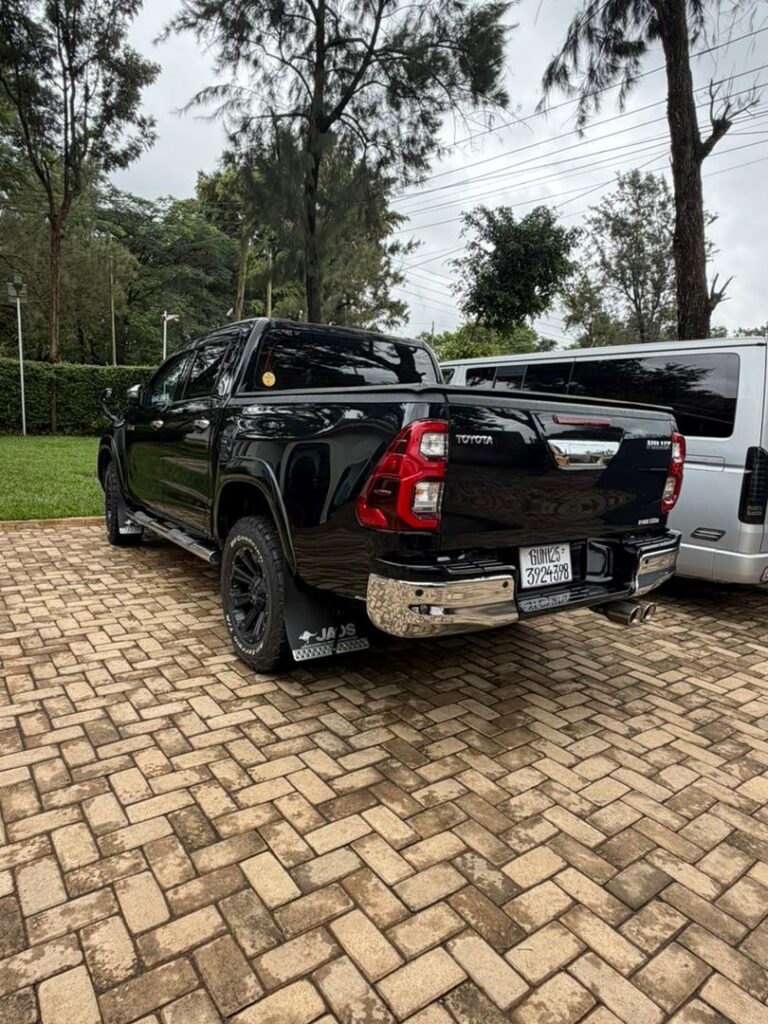
Toyota Hilux
Excellent for overlanding and camping setups.
Land Rover Defender
Great off-road capability for experienced drivers.
Nissan Patrol
Reliable for long-distance safari travel.

Essential Vehicle Features
Your vehicle should include:
- High ground clearance
- Low-range 4WD
- Two spare tires
- Working air compressor
- Recovery gear
- GPS navigation
- Roof rack or camping setup
- Long-range fuel capacity
Pop-up roofs are ideal for wildlife viewing and photography.
Best Time for a Self-Drive Safari to Namiri Plains
Dry Season (June to October)
Best for:
- Easier driving conditions
- Better wildlife visibility
- Reduced mud
- Comfortable camping
This is the safest and easiest period for self-driving.
Green Season (November to May)
Advantages:
- Beautiful scenery
- Dramatic skies
- Fewer visitors
- Excellent photography
Challenges:
- Muddy roads
- River crossings
- Slippery terrain
- Increased recovery risk
Travelers during rainy months should have solid off-road experience.
How to Reach Namiri Plains by Road
Most self-drivers begin from:
- Arusha
- Moshi
Typical Route
Day 1
Arusha → Karatu
Day 2
Karatu → Ngorongoro → Central Serengeti
Day 3
Central Serengeti → Namiri Plains
This gradual approach helps avoid fatigue and allows excellent wildlife viewing along the way.
Suggested Self-Drive Itinerary
5-Day Namiri Plains Self-Drive Safari
Day 1: Arusha to Karatu
- Pick up vehicle
- Purchase supplies
- Overnight near Ngorongoro
Day 2: Ngorongoro to Central Serengeti
- Scenic crater highlands drive
- Wildlife viewing en route
- Overnight in Seronera
Day 3: Drive to Namiri Plains
- Explore eastern Serengeti
- Predator-focused game drive
- Sunset photography
Day 4: Full Day in Namiri Plains
- Sunrise safari
- Cheetah tracking
- Lion and hyena sightings
- Overnight in camp
Day 5: Return Journey
- Early morning drive
- Begin route back toward central Serengeti
Navigation Tips
Navigation is one of the biggest challenges in Namiri Plains.
Use Multiple Navigation Systems
Recommended tools:
- Offline GPS apps
- Paper maps
- Tracks4Africa
- Garmin GPS units
Mobile signal is unreliable in many areas.
Understanding Serengeti Road Conditions
Road conditions vary greatly depending on weather.
Common Road Challenges
- Corrugation
- Deep sand
- Mud
- Washouts
- Dust
- Wildlife on roads
Driving speeds are usually slow.
Average safari speeds:
- 20–40 km/h inside the park
Fuel Planning
Fuel planning is critical in Serengeti self-drive travel.
Important Tips
- Always fill up before entering Serengeti
- Carry reserve fuel
- Monitor consumption carefully
- Avoid unnecessary detours
Fuel stations are limited inside the park.
Most travelers refuel in:
- Karatu
- Mto wa Mbu
- Seronera
Camping in Namiri Plains
Camping creates an authentic wilderness experience.
Public Campsites
Budget-friendly but basic.
Special Campsites
More private and scenic.
Luxury Mobile Camps
Higher comfort while still immersive.

What to Pack for a Namiri Plains Self-Drive Safari
Essential Gear
- Binoculars
- Camera equipment
- Power banks
- Headlamp
- Cooler box
- Water storage
- Recovery tracks
- First aid kit
- Satellite communication device
Camping Equipment
If camping independently:
- Roof tent or ground tent
- Sleeping bag
- Cooking gear
- Camping chairs
- Portable shower
- Extra batteries
Wildlife Safety During Self-Drive
Namiri Plains is predator territory.
Important Safety Rules
- Never leave the vehicle in undesignated areas
- Avoid walking at night
- Keep campsite clean
- Maintain safe distances from animals
- Never feed wildlife
Lions and hyenas frequently move through campsites after dark.
Self-Drive Photography Tips
Namiri Plains is exceptional for photography.
Best Times for Photos
- Sunrise
- Late afternoon
- Golden hour
Recommended Camera Gear
- 100–400mm lens
- Wide-angle lens
- Bean bag
- Spare batteries

Wildlife You Can Expect to See
Predators
Namiri Plains is famous for:
- Cheetahs
- Lions
- Leopards
- Hyenas
Herbivores
Common sightings include:
- Zebras
- Gazelles
- Wildebeests
- Giraffes
- Elephants
Birds
Bird lovers may see:
- Secretary birds
- Ostriches
- Eagles
- Vultures
- Kori bustards
Why Namiri Plains Is Excellent for Cheetah Sightings
Namiri Plains is considered one of Africa’s best cheetah habitats because:
- Open plains improve visibility
- Prey is abundant
- Human traffic is lower
- Habitat is ideal for hunting

Self-drivers often enjoy long uninterrupted sightings without large crowds.
Costs of a Self-Drive Safari to Namiri Plains
Main Expenses
- Park fees
- Vehicle rental
- Fuel
- Camping fees
- Conservation fees
- Food supplies
Luxury lodges increase costs significantly, while camping keeps budgets manageable.
Advantages of Self-Drive in Namiri Plains
Freedom and Flexibility
You control:
- Wake-up times
- Game-drive duration
- Photography stops
- Travel pace
Better Wilderness Experience
Without strict lodge schedules, travelers enjoy deeper immersion in nature.
Cost Savings
Self-drive safaris can be substantially cheaper than fully guided luxury safaris.
Challenges of Self-Driving Namiri Plains
Remote Conditions
Breakdowns can become serious in isolated areas.
Navigation
Roads are not always clearly marked.
Wildlife Awareness
Drivers must constantly monitor surroundings.
Weather
Rain can quickly change road conditions.
Preparation is the key to success.
Guided vs Self-Drive Safari
Self-Drive
Best for:
- Independent travelers
- Overlanders
- Budget-conscious adventurers
Guided Safari
Best for:
- First-time safari visitors
- Luxury travelers
- Travelers wanting expert wildlife tracking
Some travelers combine both approaches.
Responsible Self-Drive Safari Practices
Respecting the ecosystem is essential.
Follow Park Rules
- Stay on designated roads
- Avoid off-roading
- Do not disturb wildlife
- Maintain low speeds
Support Conservation
Responsible tourism helps protect Serengeti ecosystems.
Combining Namiri Plains with Other Destinations
Excellent Add-On Destinations
Ngorongoro Conservation Area
Perfect for crater wildlife viewing.
Tarangire National Park
Famous for elephants and baobabs.
Lake Manyara National Park
Great for birdlife and tree-climbing lions.
Ruaha National Park
Ideal for extended predator-focused safaris.
Final Tips for a Successful Namiri Plains Self-Drive Safari
Plan Conservatively
Allow extra travel time.
Start Early
Morning drives improve wildlife sightings and avoid midday heat.
Stay Flexible
Wildlife movements change constantly.
Carry Emergency Supplies
Remote conditions require preparedness.
Respect Nature
Namiri Plains remains one of the Serengeti’s last truly wild regions.
Final Thoughts
A self-drive safari to Namiri Plains is one of Tanzania’s greatest adventure experiences. Remote landscapes, abundant predators, uncrowded game drives, and exceptional photographic opportunities combine to create a safari unlike any other.
For travelers willing to prepare properly, the rewards are immense. Watching cheetahs stalk prey across endless grasslands, hearing lions roar near camp at night, and exploring isolated Serengeti roads on your own schedule creates unforgettable memories.
Namiri Plains is not simply another safari destination — it is one of the last places where the Serengeti still feels truly wild.
If you are seeking freedom, adventure, and authentic wilderness immersion, a self-drive safari to Namiri Plains should be high on your Tanzania travel bucket list.