
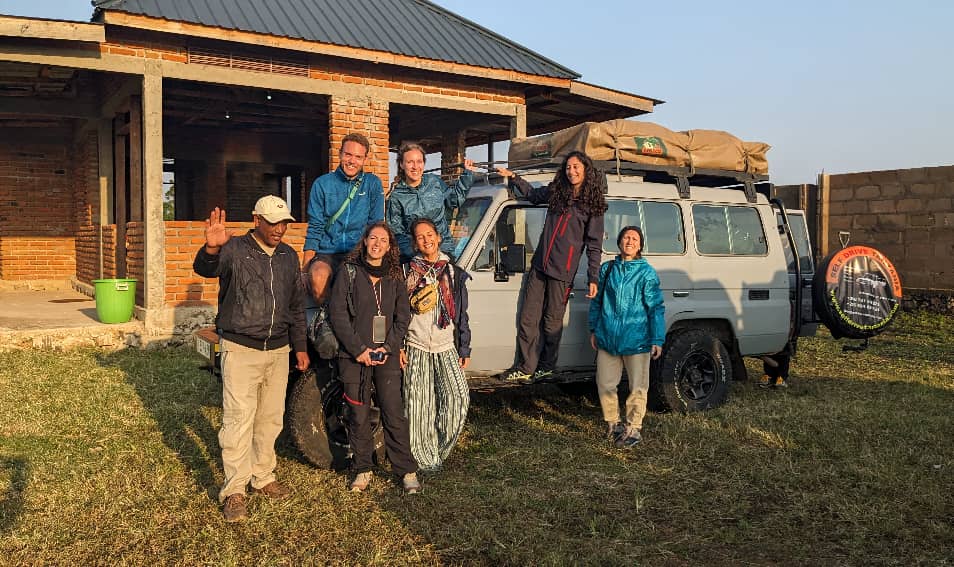
Tanzania 4×4 Rental with Rooftop Tent for 20 Days – USD 3,000 | Self-Drive Camping Safari
Explore Tanzania’s spectacular wildlife destinations, national parks, mountains, lakes, and coastal landscapes with a 4×4 car rental with a rooftop tent for 20 days at USD 3,000. Whether you are planning a wildlife safari in the Serengeti, an adventure through the Ngorongoro Conservation Area, or a road trip to southern Tanzania, a 4×4 vehicle with camping facilities gives you the freedom to discover the country independently.
Tanzania is one of Africa’s leading safari destinations, famous for its extraordinary wildlife, the Great Wildebeest Migration, Mount Kilimanjaro, and beautiful Indian Ocean coastline. From the endless plains of the Serengeti to the elephant-rich landscapes of Tarangire, the flamingo-filled shores of Lake Manyara, and the remote wilderness of Ruaha, Tanzania offers an unforgettable range of travel experiences.
A Tanzania self-drive car rental with a rooftop tent allows you to combine transportation and accommodation in one convenient package. Instead of relying entirely on hotels and safari lodges, you can travel independently, stay at designated campsites, and enjoy the flexibility of an adventurous African road trip.
Our 20-day rental offer at USD 3,000 is ideal for couples, friends, independent travellers, photographers, birdwatchers, and adventure enthusiasts looking for an exciting way to explore Tanzania.
20 Days Tanzania 4×4 Car Rental with Rooftop Tent – USD 3,000
Our Tanzania camping car rental package is designed for travellers who want to explore the country’s major attractions without being restricted by organized group itineraries or expensive accommodation arrangements.
For USD 3,000, you can rent a 4×4 vehicle equipped with a rooftop tent for 20 days, giving you the opportunity to discover Tanzania’s national parks, wildlife reserves, mountain landscapes, lakes, and coastal destinations.
Tanzania 4×4 Rental Package Highlights
- Rental duration: 20 days.
- Package price: USD 3,000.
- Vehicle: 4×4 rental vehicle.
- Accommodation: Rooftop tent.
- Travel arrangement: Self-drive.
- Destination: Tanzania.
- Suitable for: Wildlife safaris, birdwatching, camping, photography, mountain adventures, and road trips.
The exact vehicle model, number of rooftop tents, camping equipment, insurance coverage, mileage allowance, and additional charges should be confirmed when making your reservation.
Why Choose a 4×4 Rental with a Rooftop Tent in Tanzania?
Tanzania offers excellent opportunities for independent road trips. Its diverse landscapes, wildlife-rich national parks, and scenic countryside make travelling by private vehicle particularly rewarding.
Although the main highways connecting Tanzania’s major towns are generally paved, some roads inside national parks and remote tourism destinations are rough, sandy, rocky, or muddy depending on the season.
A suitable 4×4 vehicle provides additional ground clearance and traction, making it a practical choice for travellers planning to visit multiple wildlife destinations.
A rooftop tent adds another dimension to the experience by providing convenient sleeping accommodation during your adventure.
Freedom to Explore Tanzania Independently
One of the biggest advantages of renting a 4×4 vehicle is the freedom to design your own itinerary. You can spend additional days exploring the Serengeti, enjoy more time in the Ngorongoro Highlands, or extend your journey to the beaches of Zanzibar.
Unlike organized group safaris, a Tanzania self-drive safari allows you to determine your own travel schedule, subject to park regulations, accommodation availability, vehicle rental conditions, and daily driving restrictions.
Affordable Camping Accommodation
Accommodation can represent a significant portion of the overall cost of travelling in Tanzania, particularly in popular safari destinations.
Renting a vehicle with a rooftop tent provides an alternative accommodation option, especially when travelling for several weeks. You can stay at designated public campsites, special campsites, and private campsites, depending on your route and the facilities available.
This makes a Tanzania camping safari an attractive option for adventurous travellers who prefer outdoor experiences rather than staying in hotels throughout their journey.
Explore Tanzania’s Famous Wildlife Destinations
Tanzania is home to some of Africa’s most celebrated national parks and conservation areas. With 20 days available, you can combine the Serengeti, Ngorongoro, Tarangire, Lake Manyara, and other destinations into one memorable road trip.
Ideal for Birdwatching and Nature Photography
Tanzania is an exceptional birdwatching destination, with habitats ranging from freshwater lakes and wetlands to montane forests, coastal forests, and open savannahs. Travelling independently allows you to spend additional time at productive birding locations and photograph Tanzania’s wildlife, landscapes, and local communities.
Best Destinations to Explore with Your Tanzania 4×4 Rental
A 20-day road trip provides enough time to discover several of Tanzania’s most popular tourism destinations. Your route can focus on the northern safari circuit, southern wilderness areas, or a combination of wildlife and coastal experiences.
1. Serengeti National Park – Home of the Great Wildebeest Migration
The Serengeti National Park is Tanzania’s most famous wildlife destination and one of the most celebrated safari ecosystems in the world.
It is particularly famous for its extensive savannah plains, large concentrations of predators, and the annual Great Wildebeest Migration.
The Serengeti supports an extraordinary diversity of wildlife, including lions, leopards, cheetahs, elephants, buffaloes, giraffes, hyenas, zebras, wildebeests, and numerous antelope species.
The annual migration involves millions of wildebeests and zebras moving through the Serengeti ecosystem and into Kenya’s Maasai Mara in search of fresh grazing and water. The timing and location of the herds vary throughout the year.
The central Serengeti is known for year-round wildlife viewing, while the western corridor, northern Serengeti, and southern plains offer different seasonal migration experiences.
For travellers using a rooftop tent, the Serengeti provides an exciting opportunity to combine wildlife viewing with camping at designated campsites. Camping and self-drive arrangements must follow current TANAPA regulations, campsite availability, and permitted vehicle routes.
2. Ngorongoro Conservation Area – The World’s Famous Wildlife Crater
The Ngorongoro Conservation Area is one of Tanzania’s most remarkable natural attractions. Its main highlight is the Ngorongoro Crater, a vast volcanic caldera that supports an impressive concentration of wildlife.
The crater floor contains grasslands, swamps, woodland, and a seasonal soda lake, creating suitable habitats for numerous wildlife species.
Visitors have opportunities to see lions, elephants, buffaloes, zebras, wildebeests, hippos, hyenas, and other animals. The crater is also one of the important places in Tanzania for spotting the endangered black rhinoceros.
The Ngorongoro Highlands offer beautiful scenery, traditional Maasai communities, volcanic landscapes, and opportunities for nature walks in designated areas.
A self-drive visit requires careful planning because crater access, camping, conservation fees, vehicle restrictions, and other activities are subject to Ngorongoro Conservation Area Authority regulations.
3. Tarangire National Park – Land of Giants and Ancient Baobabs
Tarangire National Park is one of the best wildlife destinations in northern Tanzania, famous for its large elephant herds, ancient baobab trees, and seasonal wildlife concentrations.
The Tarangire River is an important water source, particularly during the dry season, attracting elephants, zebras, wildebeests, buffaloes, giraffes, and numerous antelope species.
The park also supports predators such as lions, leopards, and cheetahs, alongside a remarkable variety of birdlife.
Its landscapes are characterized by open savannah, seasonal swamps, riverine woodland, and impressive baobab trees.
For travellers interested in wildlife photography, Tarangire offers excellent opportunities to photograph elephants moving through the park’s distinctive baobab landscapes.
A 4×4 vehicle is useful for exploring the park’s road network, particularly during wetter periods when some tracks can become difficult.
4. Lake Manyara National Park – Tree-Climbing Lions and Birdlife
Lake Manyara National Park is a beautiful protected area located along the Great Rift Valley escarpment.
It is famous for its groundwater forests, open grasslands, acacia woodland, and alkaline lake. The park is also associated with tree-climbing lions, although sightings are never guaranteed.
Other wildlife includes elephants, giraffes, zebras, buffaloes, baboons, hippos, and various antelope species.
Lake Manyara is particularly attractive to birdwatchers because of its diverse habitats and seasonal concentrations of waterbirds, including flamingos and pelicans when conditions are suitable.
The park is a convenient addition to a northern Tanzania self-drive itinerary, especially when travelling between Tarangire, Karatu, and the Ngorongoro Highlands.
5. Arusha National Park – Walking Safaris and Mount Meru
Arusha National Park is located near Arusha city and offers a combination of forest, crater lakes, open grasslands, and mountain scenery.
The park is home to Mount Meru, Tanzania’s second-highest mountain, as well as the beautiful Momella Lakes and Ngurdoto Crater.
Wildlife includes giraffes, buffaloes, zebras, warthogs, waterbucks, and several primate species. Birdlife is also impressive, particularly around the lakes and forest habitats.
Arusha National Park is an excellent destination for travellers interested in walking safaris, canoeing where available, birdwatching, and scenic drives.
Guided walking activities must be arranged through the park’s authorized procedures. Visitors should not assume that independent walking is permitted.
6. Ruaha National Park – Remote Southern Tanzania Wilderness
Ruaha National Park is one of Tanzania’s largest national parks and an excellent destination for travellers looking for a more remote safari experience.
The park is famous for its rugged landscapes, baobab trees, large elephant populations, and impressive predator activity.
The Great Ruaha River and its seasonal tributaries provide important water sources for wildlife. During the dry season, animals congregate around remaining water sources, creating rewarding wildlife-viewing opportunities.
Wildlife includes elephants, lions, leopards, cheetahs, buffaloes, giraffes, zebras, greater and lesser kudu, sable antelopes, and numerous bird species.
Ruaha is particularly appealing to experienced self-drive travellers who want to explore a less crowded wilderness area. However, its remote location requires careful planning for fuel, supplies, accommodation, road conditions, and emergency arrangements.
7. Nyerere National Park – Rivers, Wildlife and Boat Safaris
Nyerere National Park, formerly part of the Selous Game Reserve, is one of Tanzania’s major wilderness destinations.
The park is famous for its extensive landscapes, the Rufiji River system, large elephant populations, and diverse wildlife.
Visitors can encounter elephants, lions, giraffes, buffaloes, zebras, hippos, crocodiles, and a wide variety of antelope species.
One of the major attractions of the Nyerere region is the opportunity to experience boat safaris along the Rufiji River. These excursions provide a different perspective on wildlife viewing, particularly for observing hippos, crocodiles, and waterbirds.
Walking safaris and other guided activities are also available through authorized operators and park arrangements.
For travellers planning a southern Tanzania camping safari, Nyerere can be combined with Mikumi and other destinations, depending on road conditions and the time available.
8. Mikumi National Park – A Convenient Southern Tanzania Safari
Mikumi National Park is one of the most accessible wildlife destinations in southern Tanzania, located near the main highway connecting Dar es Salaam and Iringa.
The park’s open grasslands are often compared with the Serengeti because of their savannah landscapes and wildlife-viewing opportunities.
Wildlife includes elephants, lions, giraffes, zebras, wildebeests, buffaloes, impalas, and numerous bird species.
Mikumi is particularly suitable for travellers planning a road trip from Dar es Salaam or combining southern Tanzania’s national parks.
A 4×4 vehicle is useful for exploring the park’s internal tracks, although road conditions vary with the season.
9. Mount Kilimanjaro – Africa’s Highest Mountain
Mount Kilimanjaro is Africa’s highest mountain and one of Tanzania’s most famous natural landmarks.
The mountain is known for its three volcanic cones: Kibo, Mawenzi, and Shira. Its ecological zones range from cultivated farmland and rainforest to moorland, alpine desert, and the icy summit region.
Popular climbing routes include the Machame Route, Marangu Route, Lemosho Route, Rongai Route, and Northern Circuit.
A 4×4 rental makes it easier to explore the surrounding Kilimanjaro region, visit nearby villages, and reach selected mountain access areas, depending on road conditions and authorized arrangements.
Climbing Kilimanjaro is a separate organized activity requiring the appropriate permits, park arrangements, and registered mountain crew. A rental vehicle alone does not provide access to undertake an independent climb.
10. Zanzibar – Beaches and Indian Ocean Adventures
Zanzibar is one of Tanzania’s most popular coastal destinations, famous for its white sandy beaches, turquoise waters, historic Stone Town, and rich Swahili culture.
Visitors can enjoy snorkelling, diving, dhow cruises, spice tours, cultural excursions, and relaxing beach holidays.
Popular beach destinations include Nungwi, Kendwa, Paje, Jambiani, and Matemwe.
Zanzibar can be an excellent extension to a mainland Tanzania safari. However, taking a mainland rental vehicle to Zanzibar requires advance confirmation of the rental company’s ferry and vehicle arrangements. Many travellers prefer to return the vehicle on the mainland and arrange separate transport on the island.
Suggested 20-Day Tanzania Self-Drive Camping Safari Itinerary
The following itinerary focuses on northern Tanzania’s famous wildlife destinations. It combines Tarangire, Lake Manyara, Ngorongoro, and Serengeti, with time to enjoy the landscapes and wildlife of the northern circuit.
Day 1: Arrival in Arusha
Arrive at Kilimanjaro International Airport or Arusha Airport and collect your rental vehicle. Complete the vehicle handover and camping equipment inspection.
Spend the rest of the day exploring Arusha, purchasing food and camping supplies, and preparing for your safari.
Day 2: Arusha to Tarangire National Park
Drive from Arusha towards Tarangire National Park. Enjoy the changing landscapes and enter the park according to your confirmed arrangements.
Explore the savannah and baobab landscapes while looking for elephants, giraffes, zebras, buffaloes, and other wildlife.
Day 3: Tarangire National Park
Spend another day exploring Tarangire. Visit different wildlife-viewing areas and enjoy the opportunity to photograph elephants and other animals around the Tarangire River ecosystem.
Day 4: Tarangire to Lake Manyara
Travel towards Lake Manyara National Park. Enjoy a game drive and explore the park’s groundwater forest, lake shore, and open grasslands.
Day 5: Lake Manyara to Karatu
Continue to the Karatu area near the Ngorongoro Highlands. Enjoy the scenic countryside and prepare for your visit to the Ngorongoro Conservation Area.
Day 6: Ngorongoro Crater
Visit the Ngorongoro Crater according to your confirmed park arrangements. Enjoy a crater game drive in search of lions, elephants, buffaloes, zebras, hippos, and the black rhinoceros.
Return to your designated accommodation or campsite after the day’s activities.
Day 7: Empakaai or Olmoti Crater Experience
Explore the Ngorongoro Highlands through an authorized guided walking experience at Empakaai or Olmoti Crater, subject to current conservation area rules and arrangements.
Enjoy spectacular landscapes, volcanic scenery, and opportunities for birdwatching.
Day 8: Karatu to Central Serengeti
Travel towards Serengeti National Park through the authorized entrance and designated route. Enjoy wildlife viewing along the way as you enter the famous Serengeti ecosystem.
Days 9–11: Central Serengeti National Park
Spend three days exploring the central Serengeti. Look for lions, leopards, cheetahs, elephants, buffaloes, giraffes, zebras, and wildebeests.
The central Serengeti offers rewarding wildlife viewing throughout the year. Depending on the season, you may also encounter large concentrations of migrating wildebeests and zebras.
Day 12: Central Serengeti to Northern or Western Serengeti
Depending on the season and wildlife movement, travel towards the northern or western Serengeti.
The northern Serengeti is associated with the Mara River and seasonal wildebeest crossings, while the western corridor is an important migration area at certain times of the year.
Choose your route according to current park conditions, camping availability, and your preferred wildlife experience.
Day 13: Serengeti Wildlife Exploration
Enjoy another day exploring your selected Serengeti region. Spend time observing wildlife, photographing the landscapes, and experiencing the park’s remarkable ecosystem.
Day 14: Serengeti to Ngorongoro Highlands
Begin your return journey towards the Ngorongoro Highlands. Enjoy wildlife viewing along the permitted route and overnight at an authorized campsite or accommodation.
Day 15: Ngorongoro Highlands to Arusha
Travel back towards Arusha, allowing sufficient time for the journey. Enjoy a relaxing evening and prepare for the next part of your adventure.
Day 16: Arusha to Moshi
Drive towards Moshi and explore the beautiful foothills of Mount Kilimanjaro. You can visit local villages, coffee-growing areas, and selected cultural attractions.
Day 17: Mount Kilimanjaro Region
Enjoy a day exploring the Kilimanjaro region. Depending on your interests, arrange a guided nature walk, waterfall excursion, coffee tour, or visit to a nearby cultural destination.
Day 18: Moshi to Arusha or Mto wa Mbu
Return towards Arusha or continue to Mto wa Mbu, depending on your preferred travel pace and vehicle return arrangements.
Day 19: Flexible Exploration Day
Use this day for additional sightseeing, shopping, relaxation, or a short excursion around Arusha and its surroundings.
Day 20: Vehicle Return and Departure
Return the rental vehicle according to your agreed drop-off location and time. Allow sufficient time for the vehicle inspection and your airport transfer.
This is a suggested northern Tanzania itinerary. The Serengeti and Ngorongoro sections require careful planning around park entry, camping arrangements, conservation fees, permitted routes, and vehicle regulations. The route is ambitious, and travellers who prefer a slower pace may reduce the number of destinations.
Alternative: 20-Day Southern Tanzania Camping Safari
Travellers who have already visited northern Tanzania or prefer less crowded wilderness destinations can consider a southern Tanzania road trip.
A possible route includes:
- Dar es Salaam – vehicle collection and preparation.
- Mikumi National Park – wildlife viewing and camping.
- Udzungwa Mountains National Park – rainforest hiking and waterfall experiences.
- Ruaha National Park – remote wilderness and wildlife viewing.
- Nyerere National Park – river landscapes and wildlife experiences.
- Return to Dar es Salaam.
This route offers a different perspective on Tanzania, combining savannah wildlife, mountain forests, waterfalls, and river ecosystems.
Driving distances can be considerable, especially between Ruaha, Nyerere, and Dar es Salaam. Check road conditions, fuel availability, park access, campsite arrangements, and vehicle suitability before confirming the route.
Camping in Tanzania: What to Expect When Travelling with a Rooftop Tent
Camping is one of the most rewarding ways to experience Tanzania’s natural landscapes.
From the savannah plains of the Serengeti to the highlands of Ngorongoro and the remote wilderness of Ruaha, Tanzania offers different camping environments.
However, camping inside national parks and conservation areas is regulated. Visitors should use designated campsites and confirm availability before arriving.
What Camping Equipment Should You Have?
A well-equipped rooftop tent vehicle makes independent travel more comfortable.
Depending on the rental package, useful camping equipment includes:
- Rooftop tent with mattress.
- Sleeping bags and pillows.
- Camping table and chairs.
- Cooking stove and gas.
- Cooking utensils and cutlery.
- Cooler box or camping fridge.
- Water containers.
- Headlamps and rechargeable lights.
- Basic cleaning equipment.
- First-aid kit.
- Recovery equipment appropriate for the vehicle.
Always confirm which items are included in your USD 3,000 package before making a booking.
Public Campsites and Special Campsites in Tanzania
Tanzania offers different camping arrangements in and around its national parks.
Public campsites generally provide basic facilities and are suitable for travellers looking for affordable accommodation.
Special campsites may offer a more private experience and often require advance arrangements. Availability and conditions vary by destination.
Outside protected areas, private campsites and lodges may also provide camping facilities.
Always confirm the permitted camping location, booking procedure, and applicable charges with the relevant park authority or campsite operator.
Best Time for a Tanzania Camping Safari
Tanzania can be visited throughout the year, although weather conditions and wildlife movements vary across different regions.
Dry Season: June to October
This is generally one of the most popular periods for wildlife viewing in northern and southern Tanzania.
Vegetation becomes less dense in many areas, and animals often gather around available water sources.
The Great Wildebeest Migration also moves through different parts of the Serengeti ecosystem during this period, with northern Serengeti river crossings often associated with the middle and later months of the year. Exact timing varies annually.
Short Rains: November to December
The short rains bring fresh vegetation to many parts of Tanzania. The landscapes become greener, and birdwatching can be particularly rewarding.
This period can offer excellent photographic conditions, although some unpaved roads may become slippery.
Green Season: January to March
The southern Serengeti and Ndutu region are particularly interesting during the calving season, when large numbers of wildebeests give birth.
This period attracts predators and offers rewarding wildlife photography opportunities.
Long Rains: March to May
The long rains bring lush vegetation and beautiful scenery. However, some remote roads and camping access routes can become difficult to navigate.
Travellers planning a self-drive camping safari during this period should pay particular attention to weather forecasts, road conditions, and vehicle suitability.
Tanzania Self-Drive Car Rental Requirements
Before collecting your 4×4 rental vehicle, make sure you have the necessary travel and driving documents.
Common requirements include:
- A valid driving licence.
- An International Driving Permit where required.
- Passport or acceptable identification.
- Rental agreement.
- Booking confirmation.
- Any additional documentation required by the rental provider.
International visitors should confirm applicable Tanzanian driving requirements before travelling.
If you are planning to combine Tanzania with Kenya, Uganda, or Rwanda, obtain written approval for cross-border travel and confirm insurance and vehicle documentation requirements before departure.
Important Things to Know Before Renting a 4×4 in Tanzania
Understand the Insurance Policy
Before signing the rental agreement, understand the insurance coverage, excess amount, exclusions, and procedures in case of an accident or mechanical breakdown.
Confirm whether insurance covers driving inside national parks, on unpaved roads, and in remote areas.
Check the Mileage Policy
Some rental companies offer unlimited mileage, while others impose daily or total mileage limits.
For a 20-day journey covering several national parks, it is important to understand the mileage arrangement before booking.
Understand National Park Driving Regulations
Driving inside Tanzania’s national parks and conservation areas is subject to the rules of the relevant authority.
Visitors must follow park speed limits, designated roads, operating hours, wildlife viewing guidelines, and camping regulations.
Some activities, such as walking safaris and certain crater or forest excursions, require authorized guides or specific arrangements.
Plan Your Fuel Stops
Tanzania has fuel stations in major towns and along important highways. However, fuel stations can be limited in remote safari areas.
Refuel before travelling into national parks and remote regions. Carrying additional fuel should only be done where permitted and in accordance with safe transport requirements.
Respect Local Camping Regulations
Never assume that you can camp anywhere in Tanzania. Use designated campsites and follow instructions from park authorities and campsite operators.
How Much Does a 20-Day Tanzania Self-Drive Camping Safari Cost?
One of the biggest advantages of renting a 4×4 with a rooftop tent is that you can combine transportation and sleeping accommodation.
The vehicle rental package costs USD 3,000 for 20 days.
However, your complete travel budget will depend on the number of travellers, activities, park fees, camping facilities, food, and fuel consumption.
Estimated Additional Travel Expenses
| Expense | Budget consideration |
|---|---|
| 4×4 rental with rooftop tent | USD 3,000 |
| Fuel | Depends on route and vehicle |
| Serengeti National Park fees | Separate payment |
| Ngorongoro Conservation Area fees | Depends on activities and arrangements |
| Tarangire and Lake Manyara fees | Depends on destinations |
| Camping fees | Depends on campsite and location |
| Food and drinks | Depends on personal preferences |
| Guided walking activities | Depends on destination |
| Boat excursions | Depends on activity |
| Travel insurance | Depends on provider |
For travellers visiting the Serengeti and Ngorongoro Conservation Area, it is particularly important to budget for conservation and park-related charges separately. These expenses can represent a substantial part of the overall safari budget.
Always check current official tariffs before finalizing your itinerary.
Tanzania 4×4 Rental with Rooftop Tent for Couples, Friends and Families
Couples
Couples looking for a romantic African road trip can enjoy Tanzania’s beautiful landscapes, wildlife destinations, lakes, and coastal beaches. A rooftop tent provides convenient camping accommodation while allowing couples to explore independently.
Friends and Small Groups
Friends travelling together can share the cost of the vehicle rental and enjoy a more affordable road trip. The exact passenger capacity and number of sleeping spaces will depend on the vehicle and tent configuration.
Adventure Travellers
Photographers, birdwatchers, hikers, and wildlife enthusiasts can benefit from the flexibility of a private 4×4 vehicle. You can spend additional time at selected destinations without depending on fixed group departure schedules.
Extend Your Tanzania Adventure to Kenya, Uganda and Rwanda
Tanzania is strategically located within East Africa, making it an excellent starting point for a longer regional adventure.
Tanzania and Kenya Self-Drive Camping Safari
Combine Tanzania’s spectacular wildlife destinations with Kenya’s famous national parks and reserves.
Popular destinations include Serengeti National Park, Ngorongoro Conservation Area, Tarangire National Park, Maasai Mara National Reserve, Amboseli National Park, and Lake Nakuru National Park.
A Tanzania and Kenya self-drive safari is especially attractive to travellers interested in the Great Wildebeest Migration, African Big Five wildlife, and diverse East African landscapes.
Tanzania and Uganda Self-Drive Adventure
Combine Tanzania’s savannah wildlife with Uganda’s tropical rainforests and mountain gorilla experiences.
Popular destinations include Serengeti National Park, Ngorongoro Conservation Area, Bwindi Impenetrable National Park, Queen Elizabeth National Park, Kibale National Park, and Murchison Falls National Park.
A Tanzania and Uganda camping safari offers a combination of traditional wildlife safaris, primate tracking, and outdoor adventures.
Tanzania and Rwanda Road Trip
Travellers interested in primates and wildlife can combine Tanzania’s famous savannah destinations with Rwanda’s mountain gorilla trekking experiences.
Consider visiting Serengeti National Park, Ngorongoro Conservation Area, Tarangire National Park, Volcanoes National Park, Akagera National Park, Lake Kivu, and Nyungwe Forest National Park.
A Tanzania and Rwanda safari offers a remarkable combination of Big Five wildlife viewing, mountain gorilla trekking, birdwatching, and cultural experiences.
Cross-border vehicle travel must be arranged in advance. Do not assume that a Tanzania rental vehicle can automatically be taken into neighbouring countries.
Frequently Asked Questions About Tanzania 4×4 Rental with Rooftop Tent
1. How much does it cost to rent a 4×4 with a rooftop tent in Tanzania for 20 days?
Our advertised package costs USD 3,000 for 20 days. The final quotation should specify the vehicle model, tent configuration, camping equipment, insurance, mileage policy, and any additional charges.
2. Can I explore Tanzania independently with a rooftop tent?
Yes. Independent road trips are possible in Tanzania, provided you comply with local driving laws, park regulations, camping requirements, and vehicle rental conditions.
3. Can I use a rooftop tent inside Serengeti National Park?
Camping is possible at designated campsites, subject to current park regulations and availability. Confirm the campsite arrangements and applicable charges before your visit.
4. Can I drive independently inside Tanzania’s national parks?
Self-drive game viewing is possible in several Tanzanian national parks, subject to the rules of the respective park authority. Always check current access requirements, permitted routes, operating hours, and vehicle regulations.
5. Is a 4×4 necessary for driving in Tanzania?
A 4×4 is not essential for every paved road in Tanzania. However, it is highly useful for many safari destinations, rough park tracks, sandy roads, and remote camping locations.
6. Does the USD 3,000 rental include national park fees?
No. National park entry fees, conservation charges, camping fees, and other activity costs are separate unless specifically stated otherwise in your rental quotation.
7. Can I use the rental vehicle to travel from Tanzania to Kenya?
Cross-border travel may be possible with prior written authorization from the rental company. Insurance, vehicle documentation, and border requirements must be arranged before departure.
8. Is 20 days enough to explore Tanzania?
Yes. Twenty days provides a good opportunity to visit several major destinations, including Tarangire, Lake Manyara, Ngorongoro, Serengeti, and the Kilimanjaro region, depending on your preferred pace.
9. What is the best time to rent a 4×4 for a Tanzania camping safari?
June to October is generally popular for wildlife viewing and road trips. January to March is also attractive, particularly for the wildebeest calving season in the southern Serengeti ecosystem. Tanzania offers year-round travel opportunities, with seasonal differences across regions.
10. Can I rent a 4×4 with two rooftop tents?
This depends on the available vehicle and camping configuration. If you are travelling with friends or family, request confirmation of the number of tents, sleeping capacity, and available camping equipment.
Book Your 20-Day Tanzania 4×4 Rental with Rooftop Tent – USD 3,000
Are you ready to discover Tanzania on your own terms?
Take advantage of our 20-day Tanzania 4×4 rental with rooftop tent for USD 3,000 and enjoy an independent camping adventure through some of East Africa’s most beautiful landscapes.
From the wildlife-rich plains of the Serengeti to the elephant herds of Tarangire, the spectacular Ngorongoro Crater, the wilderness of Ruaha, and the beautiful beaches of Zanzibar, Tanzania offers extraordinary experiences for adventurous travellers.
Whether you are planning a wildlife safari, Great Migration adventure, birdwatching expedition, mountain hiking holiday, or an extended East African road trip, we can help you arrange a suitable 4×4 rental for your journey.
Contact our team today to check availability, receive a detailed quotation, and reserve your Tanzania 4×4 rental with a rooftop tent.
Explore Tanzania independently. Camp under the African skies. Experience East Africa at your own pace.