
A Week in Tanzania on a Self-Drive Safari: The Ultimate 7-Day Road Trip Guide
Introduction: Discover Tanzania in Seven Days on a Self-Drive Adventure
Tanzania is one of Africa’s most rewarding safari destinations, offering extraordinary wildlife encounters, spectacular landscapes, diverse cultures and unforgettable road trip experiences. From the endless plains of the Serengeti to the baobab-dotted landscapes of Tarangire, the magnificent Ngorongoro Crater and the beautiful shores of Lake Manyara, Tanzania provides an exceptional setting for an independent safari adventure.
Spending a week in Tanzania on a self-drive safari gives travellers the freedom to explore the country’s famous northern safari circuit at their own pace. Instead of following a traditional guided group itinerary, visitors can travel independently in a privately rented 4×4 vehicle, choose their preferred accommodation and spend more time discovering the destinations that interest them most.
With a reliable 4×4 car rental in Tanzania, a seven-day road trip can combine wildlife viewing, scenic countryside drives, cultural experiences and camping adventures.
This itinerary starts and ends in Arusha, the main gateway to Tanzania’s northern safari destinations. It is designed for travellers who want to experience several of the country’s most famous national parks within one week.
7-Day Tanzania Self-Drive Safari Itinerary
The recommended route combines Arusha, Tarangire National Park, Lake Manyara National Park, Ngorongoro Conservation Area and Serengeti National Park.
| Day | Destination | Main Experience |
|---|---|---|
| Day 1 | Arusha | Arrival, vehicle collection and city exploration |
| Day 2 | Arusha – Tarangire | First wildlife safari and baobab landscapes |
| Day 3 | Tarangire – Lake Manyara | Wildlife viewing and Rift Valley scenery |
| Day 4 | Lake Manyara – Ngorongoro | Scenic journey and crater highlands |
| Day 5 | Ngorongoro – Serengeti | Crater safari and drive towards Serengeti |
| Day 6 | Serengeti National Park | Full-day wildlife safari |
| Day 7 | Serengeti – Arusha | Return journey and departure |
Planning note: This is an ambitious itinerary with significant driving distances, particularly on the Serengeti–Arusha return day. For a more relaxed experience, consider adding at least one or two days, especially if you want more time in the Serengeti or a full Ngorongoro Crater game drive.
Day 1: Arrive in Arusha and Prepare for Your Tanzania Self-Drive Safari
Your Tanzania self-drive adventure begins in Arusha, a lively city located beneath the slopes of Mount Meru. Arusha is the principal starting point for visitors exploring the northern safari circuit and is conveniently connected to Kilimanjaro International Airport and Arusha Airport.
After arriving, collect your pre-booked rental vehicle and receive a briefing about the vehicle, insurance coverage, driving regulations and planned safari route.
Depending on your arrival time, you can explore Arusha town, visit the local markets, enjoy Tanzanian coffee or discover the Cultural Heritage Centre.
This is also a good opportunity to purchase groceries, drinking water and other supplies before heading into the national parks.
Check your vehicle’s spare tyre, jack, recovery equipment, fuel level and camping accessories if you have booked an equipped safari vehicle.
Overnight: Arusha.
Day 2: Arusha to Tarangire National Park – Discover the Land of Giants
After breakfast, leave Arusha and drive southwest towards Tarangire National Park. The journey generally takes approximately two to three hours, depending on your starting point and road conditions.
Tarangire is one of Tanzania’s most attractive wildlife destinations, famous for its enormous elephant herds, ancient baobab trees and seasonal wildlife concentrations around the Tarangire River.
The park’s landscapes include open grasslands, acacia woodland, river valleys and spectacular baobab-dotted plains.
After completing the entrance procedures, begin exploring the permitted game-drive routes in your rented 4×4 vehicle.
Wildlife commonly found in Tarangire includes elephants, giraffes, zebras, wildebeest, buffaloes, impalas, waterbucks, lions and numerous bird species.
During the dry season, animals often gather around the Tarangire River and other available water sources, creating rewarding opportunities for wildlife photography.
Spend the afternoon exploring the park and enjoying your first independent safari experience in Tanzania.
Overnight: Tarangire area.
Day 3: Tarangire to Lake Manyara National Park – Explore the Great Rift Valley
After breakfast, leave Tarangire and travel towards Lake Manyara National Park.
The journey generally takes approximately two to three hours, depending on your route and stops.
Lake Manyara is a beautiful national park located beneath the western escarpment of the Great Rift Valley. Although relatively small compared with Serengeti, it offers a remarkable variety of habitats and wildlife.
The park features groundwater forests, open grasslands, acacia woodland, wetlands and the alkaline waters of Lake Manyara.
Lake Manyara is famous for its tree-climbing lions, elephants, baboons, hippos, giraffes and diverse birdlife. Flamingos and other waterbirds may be seen along the lake depending on seasonal conditions.
After entering the park, explore the designated game-drive routes and enjoy the changing landscapes.
You can also visit nearby Mto wa Mbu, a lively cultural and agricultural town where visitors can experience local markets, traditional food and community activities.
Overnight: Lake Manyara or Karatu area.
Day 4: Lake Manyara to Ngorongoro Conservation Area – Journey into the Highlands
After breakfast, continue towards the Ngorongoro Conservation Area, one of Tanzania’s most spectacular natural destinations.
The drive from Lake Manyara or Karatu to the Ngorongoro highlands generally takes approximately one to two hours, depending on your accommodation and destination.
Ngorongoro is internationally recognised for its spectacular volcanic landscapes, rich wildlife and the famous Ngorongoro Crater.
The crater is one of the world’s largest intact volcanic calderas and supports an impressive concentration of wildlife, including lions, elephants, buffaloes, zebras, wildebeest, hyenas and black rhinoceroses.
The conservation area also includes highland forests, grasslands, traditional Maasai communities and archaeological attractions.
On arrival, complete the necessary conservation area procedures and enjoy the scenic viewpoints overlooking the crater.
Travellers can also explore the surrounding highlands, subject to access regulations and their planned activities.
Overnight: Karatu or an approved accommodation facility within the Ngorongoro Conservation Area.
Day 5: Ngorongoro Crater to Serengeti National Park – Enter the Endless Plains
Wake up early for your planned Ngorongoro Crater experience if your itinerary and permits allow a crater descent on this day.
The crater offers one of the most rewarding wildlife experiences in Tanzania. Its relatively enclosed ecosystem supports a high concentration of animals, making it an excellent destination for spotting lions, elephants, buffaloes, zebras, wildebeest, hyenas and other wildlife.
After your crater experience, continue towards Serengeti National Park through the Ngorongoro highlands.
The journey introduces you to the extraordinary landscapes of the Serengeti ecosystem, with expansive grasslands, rocky outcrops known as kopjes and scattered acacia trees.
The Serengeti is one of Africa’s most famous wildlife destinations and is particularly renowned for the Great Wildebeest Migration.
Depending on your route, season and accommodation location, you may enjoy wildlife viewing along the way.
Arrive at your chosen accommodation or campsite and prepare for a full day of wildlife exploration.
Overnight: Serengeti National Park.
Day 6: Full-Day Self-Drive Safari in Serengeti National Park
Dedicate your sixth day to exploring Serengeti National Park, one of Africa’s greatest wildlife destinations.
The Serengeti is famous for its extensive savannah plains, large predator populations and the annual migration of wildebeest and zebras.
Start early to enjoy wildlife viewing during the cooler hours of the morning. Depending on your accommodation location and park regulations, you can explore different sections of the park.
The Serengeti supports the Big Five: lions, elephants, leopards, buffaloes and rhinoceroses. It is particularly famous for its large lion populations and excellent opportunities to observe cheetahs, hyenas, giraffes, zebras, wildebeest and other wildlife.
The Great Wildebeest Migration is one of the most remarkable natural spectacles in the world. Herd movements depend on rainfall and grazing conditions, with different areas of the Serengeti ecosystem offering seasonal wildlife concentrations throughout the year.
During the appropriate season, visitors may witness large herds crossing rivers or moving across the open plains. However, specific sightings and river crossings cannot be guaranteed.
A self-drive safari allows you to explore designated routes independently, stopping at suitable locations to observe wildlife and enjoy the landscapes.
Always follow park regulations, remain on permitted roads and maintain a safe distance from animals.
Overnight: Serengeti National Park.
Day 7: Serengeti to Arusha – Return Journey and Departure
After breakfast, begin your return journey from Serengeti towards Arusha.
This is one of the longest driving days of the itinerary. The journey can take approximately seven to ten hours or longer, depending on your starting point, route, road conditions and stops.
If your international flight departs on the same day, carefully consider the timing and allow sufficient time for the return journey and vehicle handover.
For travellers with early international departures, it is strongly recommended to add an extra night in Arusha or arrange a suitable alternative transfer.
Enjoy the final views of Tanzania’s countryside as you leave the Serengeti ecosystem and travel through the Ngorongoro highlands towards Arusha.
Return your rental vehicle at the agreed location and conclude your seven-day Tanzania self-drive safari.
Best 4×4 Vehicles for a Tanzania Self-Drive Safari
Choosing the right vehicle is essential when planning a Tanzania self-drive safari. Although major roads connecting Arusha with the northern safari destinations are generally accessible, national park tracks can be rough, dusty, muddy or uneven depending on the season.
At Self Drive in Tanzania, travellers can choose from different 4×4 rental options depending on their budget, itinerary, number of passengers and camping preferences.
Toyota Land Cruiser Prado
The Toyota Land Cruiser Prado is an excellent option for couples, families and small groups looking for comfort and reliable four-wheel-drive capability.
Its spacious interior, ground clearance and comfortable suspension make it suitable for long journeys between Arusha, Tarangire, Lake Manyara, Ngorongoro and Serengeti.
Toyota Land Cruiser 70 Series
The Toyota Land Cruiser 70 Series is a popular choice for adventurous travellers who want a robust safari vehicle.
Its practical design and off-road capability make it suitable for demanding safari routes and remote destinations.
Depending on the model and rental package, it can also be equipped with camping accessories.
Toyota RAV4 4×4
The Toyota RAV4 4×4 is an economical option for travellers who want to explore Tanzania independently on a limited budget.
It can be suitable for paved highways and some less demanding countryside routes. However, not every RAV4 is appropriate for every national park track or safari itinerary.
Travellers should confirm vehicle specifications, park access conditions and rental company restrictions before booking, especially when planning to visit Serengeti and Ngorongoro.
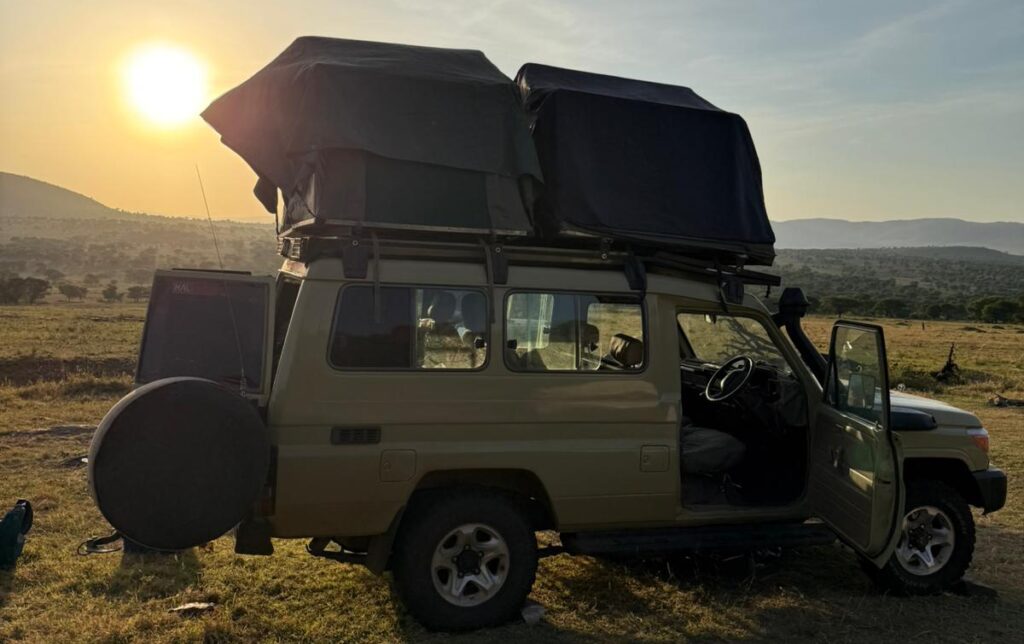
Land Cruiser with Rooftop Tent
For adventurous travellers, a 4×4 rental with a rooftop tent in Tanzania provides an exciting way to explore the country’s wilderness areas.
A fully equipped camping vehicle may include a rooftop tent, mattress, sleeping bags, fridge, cooking equipment, table, chairs and other essential camping accessories.
This option is particularly attractive for travellers who prefer camping rather than staying exclusively in safari lodges.
Where to Stay During Your Tanzania Self-Drive Safari
Tanzania offers a wide selection of accommodation options, ranging from budget campsites and guesthouses to comfortable safari lodges and luxury tented camps.
For this seven-day northern circuit itinerary, consider the following accommodation areas:
| Destination | Recommended Accommodation |
|---|---|
| Arusha | Hotels, guesthouses and lodges |
| Tarangire | Safari lodges, tented camps and designated campsites |
| Lake Manyara | Lodges, guesthouses and campsites around Mto wa Mbu and Karatu |
| Ngorongoro | Highlands lodges, campsites and Karatu accommodation |
| Serengeti | Tented camps, safari lodges and designated campsites |
Travellers planning to camp inside national parks or conservation areas should confirm campsite availability, applicable fees and reservation requirements before travelling.
How Much Does a Week in Tanzania on a Self-Drive Safari Cost?
The cost of a seven-day Tanzania self-drive safari depends on the rental vehicle, accommodation, number of travellers, fuel consumption, park fees and activities.
Tanzania’s northern safari circuit can be relatively expensive because national park entry fees, conservation charges, crater-related fees and accommodation costs can represent a substantial part of the total budget.
The following table provides an illustrative planning budget for two travellers.
| Expense | Estimated Cost |
|---|---|
| 4×4 car rental for 7 days | $700–$1,050 |
| Fuel | $180–$280 |
| Accommodation for 6 nights | $360–$720 |
| Food and drinks | $140–$210 |
| Park and conservation fees allowance | $700–$1,200 |
| Estimated total | $2,080–$3,460 |
These figures are indicative planning allowances rather than confirmed quotations. Actual costs depend on the rental vehicle, travel season, accommodation category, visitor nationality, applicable park tariffs and the precise route.
The estimate does not necessarily include all optional activities, additional crater charges, vehicle deposits, insurance upgrades, international flights or personal purchases. Confirm current park fees and payment arrangements before departure.
Travellers who choose budget camping accommodation may reduce lodging expenses, although camping and park-related charges still apply.
Best Time to Visit Tanzania for a Self-Drive Safari
Tanzania is a year-round safari destination, but different seasons offer different wildlife experiences and road conditions.
June to October – Dry season
This is one of the most popular periods for wildlife safaris. Vegetation is generally thinner in many areas, and animals often gather around available water sources.
The northern Serengeti can offer opportunities to witness the Great Migration river crossings, although their timing is unpredictable.
January to February – Calving season
The southern Serengeti and Ndutu area are particularly attractive during the wildebeest calving season. Large numbers of wildebeest gather on the short-grass plains, creating excellent opportunities to observe wildlife and predator activity.
March to May – Long rainy season
Rainfall can make some park tracks muddy and more challenging, particularly in remote areas. However, the landscapes become green and beautiful, offering excellent photography opportunities.
November to December – Short rainy season
Short rains bring changing weather conditions and fresh vegetation. Wildlife viewing can still be rewarding, and some areas of the northern circuit are particularly attractive during this period.
Driving in Tanzania: What Self-Drive Travellers Should Know
Tanzania offers excellent opportunities for independent road travel, but visitors should understand local driving regulations and safari conditions before collecting their rental vehicles.
Driving Licence Requirements
Carry a valid driving licence and confirm whether an International Driving Permit or additional documentation is required for your nationality and licence.
Driving Side
Tanzania drives on the left-hand side of the road.
Road Conditions
Major highways connect Arusha with the principal northern safari destinations. However, roads inside national parks and some remote countryside routes can be rough, dusty or muddy depending on the weather.
Speed Limits
Observe posted speed limits and local traffic regulations. Exercise particular caution when driving through towns, villages and areas with pedestrians or livestock.
Night Driving
Avoid unnecessary night driving, particularly on rural roads and unfamiliar routes. Plan your transfers so that you reach your accommodation before dark.
Vehicle Insurance
Choose a rental package that clearly explains third-party liability, collision coverage, excess amounts, exclusions and roadside assistance.
National Park Driving Regulations
Tanzania’s national parks have specific entry procedures, opening hours, designated roads and wildlife-viewing regulations.
Travellers must follow the instructions of park authorities and remain within permitted driving areas. Confirm the current park access rules with your rental company before starting the safari.
Why Choose Self Drive Tanzania for Your Seven-Day Adventure?
Planning a successful Tanzania road trip starts with selecting a reliable rental company and a vehicle suited to your safari route.
Self Drive Tanzania provides vehicle rental options for independent travellers who want to discover the country’s national parks, scenic landscapes and cultural attractions.
Whether you need an economical 4×4, a comfortable Toyota Land Cruiser Prado, a rugged Land Cruiser 70 Series or a fully equipped rooftop-tent vehicle, choosing the right rental package makes it easier to explore Tanzania independently.
With a suitable rental vehicle, you can discover Arusha, experience Tarangire’s elephant herds, explore Lake Manyara, visit Ngorongoro and enjoy the remarkable wildlife plains of Serengeti.
Travellers planning longer East African journeys can also enquire about cross-border rental arrangements connecting Tanzania with Kenya, Uganda and Rwanda. Cross-border travel must be approved in advance, with appropriate insurance, vehicle documentation and border permissions.
Frequently Asked Questions About a Week in Tanzania on a Self-Drive Safari
1. Is seven days enough to explore Tanzania?
Yes. Seven days can provide an excellent introduction to Tanzania’s northern safari circuit. You can combine Tarangire, Lake Manyara, Ngorongoro and Serengeti, although the schedule involves considerable driving. Adding extra days allows for a more relaxed experience.
2. Can I visit Tanzania’s national parks without a tour guide?
Yes. Self-drive visitors can explore designated areas of several Tanzanian national parks using an authorised rental vehicle, subject to park regulations and entry requirements. Some activities require authorised guides or separate arrangements.
3. What is the best vehicle for a Tanzania self-drive safari?
A Toyota Land Cruiser Prado is an excellent all-round choice for most northern circuit itineraries. A Land Cruiser 70 Series is suitable for demanding safari routes, while a suitable RAV4 4×4 can provide a more economical option for less challenging journeys.
4. Can I drive from Arusha to Serengeti National Park?
Yes. Visitors can drive from Arusha to Serengeti through the Ngorongoro Conservation Area using an appropriate route and the required park and conservation area arrangements. The journey takes several hours, depending on the destination within Serengeti.
5. Can I combine Tarangire, Ngorongoro and Serengeti in one week?
Yes. These destinations are commonly combined in a seven-day northern circuit safari. However, travellers should plan their driving distances, accommodation locations and park entry arrangements carefully.
6. Do I need a 4×4 vehicle for a Tanzania safari?
A 4×4 is strongly recommended for independent travellers visiting Tarangire, Ngorongoro and Serengeti. Park tracks can be rough or muddy, especially during rainy periods. Confirm that the specific rental vehicle is suitable and permitted for your planned route.
7. Can I camp during a Tanzania self-drive safari?
Yes. Tanzania has designated campsites in and around several national parks. A rooftop-tent vehicle provides a convenient camping option, but travellers should confirm campsite availability, facilities, fees and reservation requirements.
8. Can I drive a rental vehicle from Tanzania to Kenya?
Some rental companies allow cross-border travel, but written authorisation and suitable insurance are essential. Confirm vehicle documentation, border requirements, insurance validity and additional charges before departure.
9. When is the best time to see the Great Wildebeest Migration in Tanzania?
The migration moves throughout the Serengeti ecosystem during the year. January and February are particularly associated with calving in the southern Serengeti and Ndutu area, while the western and northern Serengeti offer different seasonal opportunities. Exact herd movements depend on rainfall and grazing conditions.
10. Where should I start and end my Tanzania self-drive trip?
Arusha is the most convenient starting and ending point for most northern circuit self-drive safaris. It provides access to Tarangire, Lake Manyara, Ngorongoro and Serengeti, as well as connections to Kilimanjaro International Airport.
Conclusion: Experience the Best of Tanzania in Seven Days
A week in Tanzania on a self-drive safari is an exciting opportunity to discover some of East Africa’s most spectacular wildlife destinations. From the giant baobabs and elephant herds of Tarangire to the beautiful landscapes of Lake Manyara, the extraordinary Ngorongoro Crater and the endless plains of Serengeti, Tanzania offers an unforgettable combination of safari experiences.
With a reliable 4×4 car rental in Tanzania, you can enjoy the freedom of independent travel while exploring the country’s remarkable wildlife, beautiful landscapes and cultural attractions.
Whether you choose a comfortable Toyota Land Cruiser Prado, a rugged Land Cruiser 70 Series or a fully equipped rooftop-tent vehicle, Tanzania offers an extraordinary road trip for travellers seeking wildlife, adventure and authentic African experiences.
Start planning your Tanzania adventure with Self Drive Tanzania and discover the African wilderness on your own terms.
Book Your Tanzania Self-Drive Vehicle
Explore Tanzania independently with a reliable 4×4 rental vehicle.
Self Drive Tanzania offers vehicle rental options for independent travellers, couples, families and camping enthusiasts.
Enquire about Toyota Land Cruiser Prado, Land Cruiser 70 Series, RAV4 and rooftop-tent 4×4 rentals.
Request a Tanzania self-drive rental quotation and start planning your seven-day safari adventure.