
7-Day Tanzania Primates and Wildlife Safari
Explore Arusha National Park, Tarangire, Lake Manyara, Ngorongoro and Serengeti
Discover Tanzania’s remarkable wildlife and primates on a seven-day safari combining forest walks, scenic landscapes, Big Five game drives and unforgettable encounters with some of East Africa’s most fascinating animals. From the black-and-white colobus monkeys of Arusha National Park to the large baboon troops of Lake Manyara and the wildlife-rich plains of Serengeti, this journey offers an exciting introduction to Tanzania’s natural heritage.
Tanzania is famous for its elephants, lions, leopards, buffaloes, rhinos and large herds of wildebeests and zebras. However, its forests and woodland habitats are also home to several primate species, including blue monkeys, vervet monkeys, olive baboons and black-and-white colobus monkeys.
This itinerary is ideal for travellers who want to combine primate encounters with a traditional northern Tanzania wildlife safari. You can experience the journey with a professional driver-guide or arrange a Self-Drive Safari in Tanzania using a suitable 4×4 rental vehicle.
Important note: Wild chimpanzee trekking is not available on this northern Tanzania itinerary. Travellers specifically interested in chimpanzees should consider extending their journey to Gombe Stream National Park or Mahale Mountains National Park in western Tanzania.
Safari Highlights
- Search for black-and-white colobus monkeys in Arusha National Park.
- Discover blue monkeys, vervet monkeys and olive baboons.
- Explore the elephant-rich landscapes of Tarangire National Park.
- Visit Lake Manyara National Park, famous for its baboons and birdlife.
- Descend into the Ngorongoro Crater for exceptional wildlife viewing.
- Explore the world-famous Serengeti National Park.
- Search for lions, elephants, buffaloes, leopards and other wildlife.
- Experience Tanzania’s diverse landscapes, forests and savannah ecosystems.
Day 1: Arrival in Arusha and Arusha National Park
Your safari begins in Arusha, the main gateway to Tanzania’s northern safari circuit. After arrival, meet your driver-guide or collect your rental vehicle before travelling to Arusha National Park.
Although smaller than Serengeti and Tarangire, Arusha National Park offers an impressive combination of forest, grassland, lakes and mountain scenery. The park is overlooked by Mount Meru and provides excellent opportunities to discover Tanzania’s forest-dwelling wildlife.
One of the main attractions is the black-and-white colobus monkey, which can often be spotted moving through the forest canopy. Blue monkeys and other forest animals also inhabit the park.
You may also encounter giraffes, zebras, buffaloes, warthogs and various antelope species. The Momella Lakes provide additional opportunities for birdwatching, with flamingos and other waterbirds sometimes visible.
Depending on park regulations and your arrangements, you may enjoy a guided walking safari to experience the forest and wildlife more closely.
Arusha National Park is an excellent starting point for a Tanzania Wildlife Safari, especially for visitors interested in combining primates and larger mammals.
Overnight in Arusha or near the park.
Day 2: Arusha to Tarangire National Park
After breakfast, depart Arusha and travel towards Tarangire National Park.
Tarangire is one of Tanzania’s most rewarding wildlife destinations, particularly famous for its large elephant herds, ancient baobab trees and seasonal concentration of wildlife around the Tarangire River.
Upon arrival, enjoy a game drive through the park. Look for elephants, lions, giraffes, zebras, wildebeests, buffaloes and several antelope species.
Tarangire is also home to olive baboons and vervet monkeys, which may be seen around suitable woodland and riverine habitats. The park supports a wide variety of birds, making it an excellent destination for wildlife photographers and birdwatchers.
During the dry season, animals gather around permanent water sources, creating rewarding opportunities for game viewing.
For independent travellers, Tanzania 4×4 Car Rental provides the flexibility to travel between northern Tanzania’s national parks and explore at a comfortable pace.
Overnight in or near Tarangire National Park.
Day 3: Tarangire to Lake Manyara National Park
After breakfast, leave Tarangire and travel towards Lake Manyara National Park.
Lake Manyara is a beautiful park located beneath the Great Rift Valley escarpment. Its habitats include groundwater forests, open grasslands, woodland and the alkaline lake itself.
The park is particularly famous for its large troops of olive baboons, which are frequently encountered in the forest. Blue monkeys and vervet monkeys can also be seen in suitable habitats.
Lake Manyara is also known for its tree-climbing lions, although sightings are never guaranteed. Other wildlife includes elephants, giraffes, zebras, buffaloes, hippos and numerous bird species.
During the game drive, explore the forest roads and open areas while searching for wildlife. The lake may attract flamingos and other waterbirds depending on water conditions and seasonal movements.
Lake Manyara offers a rewarding combination of primate viewing and traditional game drives, making it an important destination for Tanzania National Parks and Wildlife experiences.
Overnight near Lake Manyara or Karatu.
Day 4: Lake Manyara to Ngorongoro Crater
After breakfast, travel towards the Ngorongoro Conservation Area.
The Ngorongoro Crater is one of Africa’s most remarkable natural landscapes. Formed by the collapse of a large volcanic structure, the crater supports a diverse range of wildlife within its enclosed ecosystem.
Descend into the crater for a game drive across its grasslands, wetlands and woodland areas. The crater is one of Tanzania’s best locations for searching for the Big Five.
Wildlife commonly encountered includes lions, elephants, buffaloes, zebras, wildebeests, hippos and hyenas. Black rhinos are also present, although sightings can be difficult.
Olive baboons are frequently seen in parts of the conservation area, particularly around suitable woodland and picnic areas. The wider Ngorongoro ecosystem also supports a variety of other wildlife and bird species.
Enjoy a picnic lunch at a designated site before continuing your afternoon game drive.
Ngorongoro is an essential destination for travellers planning a Tanzania Big Five Safari.
Overnight in the Ngorongoro or Karatu area.
Day 5: Ngorongoro to Serengeti National Park
After breakfast, depart the Ngorongoro Conservation Area and travel towards Serengeti National Park.
The journey takes you through beautiful highland scenery and into the expansive plains of the Serengeti ecosystem.
Serengeti is one of the most celebrated wildlife destinations in the world. Its vast grasslands and woodland habitats support large populations of predators and grazing animals.
After entering the park, enjoy a game drive towards your accommodation.
Look out for lions, elephants, giraffes, zebras, wildebeests, gazelles, hyenas and other wildlife. Leopards and cheetahs may also be spotted with some patience and luck.
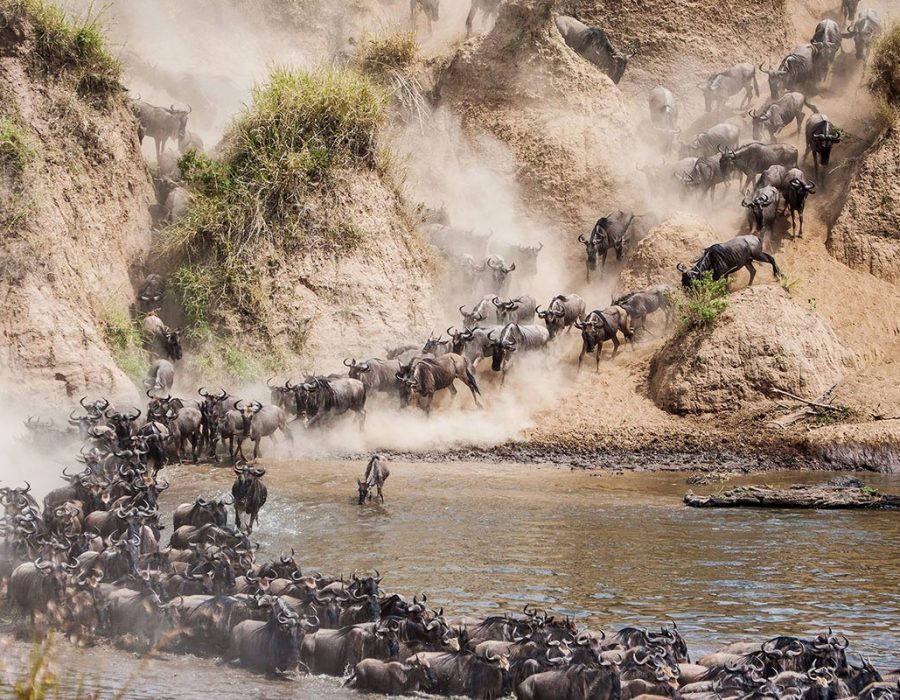
The Serengeti is particularly famous for the Great Migration, when millions of wildebeests and zebras move through the wider ecosystem in search of fresh grazing and water.
For travellers interested in a classic Serengeti Wildlife Safari, the park offers exceptional opportunities for wildlife viewing and photography.
Overnight in central Serengeti or another suitable area depending on the migration season and accommodation arrangements.
Day 6: Full-Day Wildlife Safari in Serengeti National Park
Spend a full day exploring Serengeti National Park.
Begin with an early morning game drive when predators are often active. Search for lions resting after a night of hunting, cheetahs scanning the grasslands and leopards sheltering in trees.
The Serengeti supports an extraordinary diversity of wildlife, including elephants, buffaloes, giraffes, zebras, wildebeests, gazelles, hyenas and numerous bird species.
You may also encounter olive baboons and vervet monkeys in suitable woodland habitats, although primate sightings are not the main attraction of the Serengeti.
The Great Migration is one of the park’s major highlights. Its movements depend on rainfall and grazing conditions, so the best area to visit changes throughout the year. River crossings may occur during certain periods, but they are natural events and cannot be guaranteed.
Enjoy a picnic lunch in a designated area before continuing with afternoon game viewing.
Optional activities may include a hot-air balloon safari, subject to availability and additional charges.
Overnight in Serengeti National Park.
Day 7: Serengeti to Arusha and Departure
After breakfast, enjoy a final morning game drive or depart Serengeti according to your flight and transfer arrangements.
You can return to Arusha by road or arrange a scheduled or private domestic flight from an appropriate Serengeti airstrip, depending on availability.
A road transfer provides another opportunity to appreciate Tanzania’s beautiful landscapes, while flying can reduce travel time considerably.
Upon arrival in Arusha, connect with your onward flight or continue to another destination.
Travellers with additional time can extend the safari to include Lake Eyasi, Lake Natron, Mount Kilimanjaro or the southern Tanzania wildlife parks.
Your seven-day Tanzania primates and wildlife safari ends with unforgettable memories of the country’s forests, savannahs and extraordinary wildlife.
Primates to Discover During the Safari
Tanzania is home to several primate species living in different habitats, from montane forests to woodland and savannah environments.
Black-and-white colobus monkeys: These striking monkeys are among the highlights of Arusha National Park. They are recognised by their black-and-white coats and long flowing tails. They spend much of their time in forest canopies.
Blue monkeys: Also known as Sykes’ monkeys, blue monkeys inhabit forested environments and can be seen in suitable habitats around northern Tanzania.
Olive baboons: These social primates are widespread in Tanzania and are particularly noticeable in Lake Manyara and other woodland habitats. They live in organised troops and spend time feeding on the ground and in trees.
Vervet monkeys: Vervet monkeys are commonly found in woodland and savannah habitats. They are adaptable animals and may be seen around water sources and forest edges.
Galagos: Also known as bush babies, galagos are small nocturnal primates found in various woodland and forest habitats. They are more difficult to observe during ordinary daytime game drives.
For travellers interested in chimpanzees, Tanzania offers two major destinations in its western region: Gombe Stream National Park and Mahale Mountains National Park.
Where to See Chimpanzees in Tanzania
Although the northern safari circuit is excellent for monkeys and baboons, wild chimpanzee trekking requires a separate journey to western Tanzania.
Gombe Stream National Park: Located along the shores of Lake Tanganyika, Gombe is famous for its chimpanzee research and conservation history. Visitors can trek through forested hills to observe habituated wild chimpanzees with authorised guides.
Mahale Mountains National Park: Mahale is one of Africa’s most special chimpanzee destinations. The park combines tropical forest, mountain scenery and the beautiful shoreline of Lake Tanganyika. Visitors can trek to observe wild chimpanzees in their natural habitat.
Both destinations require additional travel arrangements, and access commonly involves flights and boat transfers. Chimpanzee trekking is subject to park regulations, permits, weather and the movements of the chimpanzees.
Travellers who want to combine the northern wildlife circuit with chimpanzee trekking should consider a longer itinerary rather than trying to fit these distant destinations into the seven-day route.
Wildlife You Can Expect to See
This safari combines five important destinations, each offering different wildlife experiences.
Arusha National Park is rewarding for black-and-white colobus monkeys, blue monkeys, giraffes, buffaloes and birdlife.
Tarangire is famous for elephants, baobab trees, lions, giraffes, zebras and large seasonal concentrations of wildlife.
Lake Manyara offers opportunities to see olive baboons, blue monkeys, elephants, tree-climbing lions, hippos and numerous birds.
Ngorongoro Crater is one of the best places in Tanzania to search for the Big Five, including the endangered black rhino.
Serengeti offers outstanding opportunities to see lions, leopards, cheetahs, elephants, buffaloes, wildebeests, zebras and many other savannah animals.
Together, these destinations provide an excellent introduction to Tanzania Safari Packages.
Best Time for a Tanzania Primates and Wildlife Safari
Tanzania can be visited throughout the year, although the best travel period depends on your wildlife interests, preferred weather and migration expectations.
January to March: These months are particularly interesting in the southern Serengeti and Ndutu area, where wildebeest calving usually takes place. The period can also offer excellent predator viewing.
June to October: This is a popular dry-season safari period. Wildlife is often easier to locate around water sources, and many roads are more accessible. The Great Migration moves through different parts of the Serengeti ecosystem during this period.
November to December: The short rains bring greener landscapes and seasonal wildlife movements. Many safari areas remain rewarding to visit.
March to May: These months generally receive heavier rainfall in many parts of northern Tanzania. Landscapes become greener, but some roads may become more challenging.
For primate viewing in Arusha National Park and Lake Manyara, sightings are possible throughout the year, although visibility and forest conditions vary.
Self-Drive or Guided Tanzania Safari?
Travellers can experience this itinerary with a professional driver-guide or independently through a self-drive arrangement.
A guided safari is suitable for visitors who prefer professional wildlife interpretation, assistance with park logistics and a driver familiar with the national parks.
A self-drive safari offers flexibility and independence. It allows experienced travellers to organise their own schedules, choose accommodation and spend more time at wildlife locations that interest them.
For independent travellers, Self-Drive Safari Tanzania offers an opportunity to explore the northern circuit with a suitable 4×4 rental vehicle. A well-maintained vehicle with appropriate ground clearance is important for many safari routes.
Travellers planning a camping journey can also consider Tanzania 4×4 Car Rental with Rooftop Tent, depending on vehicle availability and camping equipment requirements.
Before setting off, check park regulations, permitted driving hours, road conditions, accommodation access and vehicle requirements. Some destinations and activities require authorised guides or special arrangements.
Optional Extension: Add Gombe or Mahale for Chimpanzee Trekking
Travellers who specifically want to see wild chimpanzees can extend their Tanzania safari to western Tanzania.
Gombe Stream National Park and Mahale Mountains National Park offer some of Africa’s most memorable chimpanzee trekking experiences.
These parks are located along Lake Tanganyika and are not practical additions to the standard northern circuit by road within a short seven-day itinerary. A separate extension with suitable flights, accommodation and boat transfers is recommended.
A longer trip combining Serengeti wildlife viewing with chimpanzee trekking creates a diverse Tanzania Primates and Wildlife Safari, covering both the savannah and tropical forest environments.
Safari Inclusions
A typical guided safari package can include:
- Accommodation during the safari.
- Meals as specified in the itinerary.
- Transport in a safari vehicle.
- Services of a professional driver-guide.
- Game drives in the listed national parks.
- Park and conservation fees as specified in the quotation.
- Airport transfers where included.
- Government taxes and applicable levies included in the quotation.
For self-drive packages, inclusions depend on the rental agreement and may cover the vehicle, standard insurance arrangements, camping equipment and roadside assistance where specified.
Safari Exclusions
Unless specifically included in your quotation, the following may be excluded:
- International flights.
- Domestic flights.
- Travel insurance.
- Visa costs, where applicable.
- Personal expenses.
- Tips and gratuities.
- Optional activities such as hot-air balloon safaris.
- Drinks and items not included in the meal plan.
- Additional accommodation before or after the safari.
- Chimpanzee trekking permits for Gombe or Mahale extensions.
- Vehicle rental, fuel and camping equipment for self-drive packages unless specified.
Frequently Asked Questions
Can I see chimpanzees on a seven-day northern Tanzania safari?
No. The standard northern circuit does not include wild chimpanzee trekking. It focuses on monkeys and baboons in destinations such as Arusha National Park and Lake Manyara. For wild chimpanzees, you need to visit Gombe Stream National Park or Mahale Mountains National Park in western Tanzania.
Where can I see colobus monkeys in Tanzania?
Arusha National Park is one of the best places to look for black-and-white colobus monkeys on a northern Tanzania safari. They inhabit forested areas and are often seen moving through the trees.
Where can I see baboons in Tanzania?
Olive baboons are widespread in Tanzania. Lake Manyara National Park is particularly well known for its large baboon troops, while baboons can also be encountered in other northern safari areas.
Can I see the Big Five on this safari?
Yes. The itinerary includes Ngorongoro Crater and Serengeti, where visitors can search for lions, leopards, elephants, buffaloes and rhinos. Sightings are never guaranteed, and black rhinos are particularly difficult to spot.
Is seven days enough for a Tanzania wildlife safari?
Seven days provides a good introduction to northern Tanzania. It allows travellers to visit Arusha National Park, Tarangire, Lake Manyara, Ngorongoro and Serengeti. However, travellers who want to include chimpanzee trekking should plan additional days.
Can I do this safari on a self-drive basis?
Yes. Experienced travellers can organise a northern Tanzania safari on a self-drive basis, subject to park regulations, vehicle suitability and road conditions. A reliable 4×4 is recommended for the safari circuit.
Can I combine Tanzania with Kenya?
Yes. Tanzania and Kenya can be combined into a longer East African safari. Popular combinations include the Serengeti and Maasai Mara, or a wider journey covering Amboseli, Ngorongoro, Tarangire and other national parks. Check cross-border vehicle permissions and insurance arrangements before travelling.
What is the best time to visit Serengeti?
Serengeti is a year-round safari destination. January to March is popular for wildebeest calving in the southern Serengeti and Ndutu area, while June to October is a popular dry-season period. The migration changes location throughout the year, depending on rainfall and grazing conditions.
Book Your 7-Day Tanzania Primates and Wildlife Safari
Experience Tanzania’s extraordinary wildlife through a journey combining colobus monkeys in Arusha National Park, baboons at Lake Manyara, elephants in Tarangire, Big Five wildlife in Ngorongoro and spectacular game drives in Serengeti.
Whether you prefer a guided safari or an independent road trip, this itinerary can be adapted to your travel dates, accommodation preferences and budget.
Contact our team to arrange your Tanzania Wildlife Safari, request a guided safari quotation or plan a flexible Self-Drive Safari in Tanzania with a suitable 4×4 rental vehicle.
If chimpanzee trekking is your main interest, ask about extending your safari to Gombe or Mahale for a completely different primate experience.