
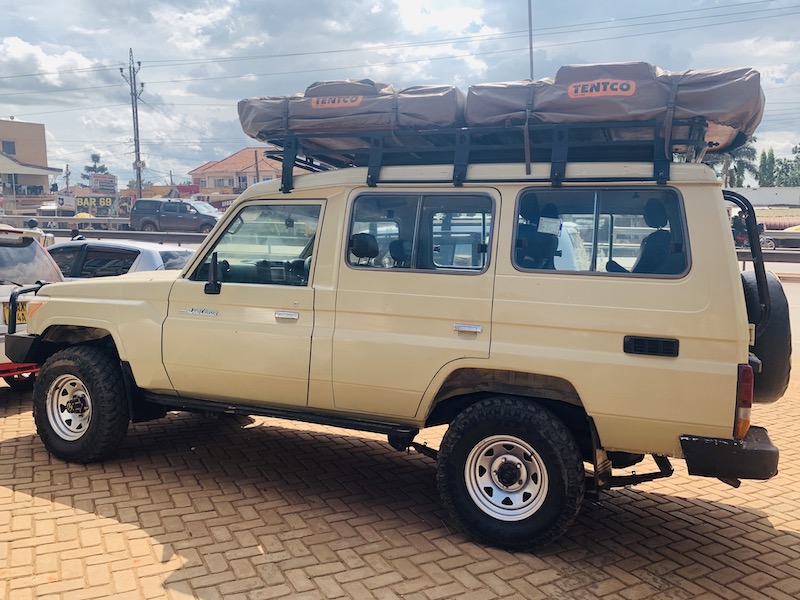
Tanzania Self-Drive for Solo Travellers: Complete Safari & Road Trip Guide
A Tanzania self-drive for solo travellers is an excellent way to experience some of East Africa’s most spectacular wildlife areas, landscapes and cultural destinations at your own pace. From the busy streets of Dar es Salaam and the safari town of Arusha to the Serengeti, Ngorongoro, Tarangire, Ruaha, Nyerere and the beaches of the Indian Ocean, Tanzania offers enormous possibilities for an independent road trip.
For travellers who enjoy freedom and adventure, a Tanzania 4×4 rental without a driver allows you to create your own itinerary, choose your accommodation and decide how much time to spend at each destination.
Tanzania is particularly rewarding for solo travellers who want to combine self-drive safari, camping, wildlife photography, scenic road trips and cultural experiences.
However, Tanzania is a large country. Distances between destinations can be significant, and some national park roads and remote routes require careful preparation. Choosing the right 4×4, planning realistic driving days and understanding park regulations are therefore essential.
Why Choose a Solo Self-Drive Safari in Tanzania?
Tanzania offers one of the most diverse road-trip experiences in East Africa.
A single journey can combine:
- Serengeti wildlife
- Ngorongoro Crater
- Tarangire elephants
- Lake Manyara
- Mount Kilimanjaro
- Ruaha National Park
- Nyerere National Park
- Mikumi National Park
- Udzungwa Mountains
- Lake Victoria
- Indian Ocean beaches
- Zanzibar
- Maasai and other cultural experiences
For a solo traveller, self-driving provides independence. You can leave early for a game drive, stop for photographs, change your route or spend an additional night somewhere without having to coordinate with other passengers.
It also allows you to create a trip around your personal interests.
A wildlife photographer may spend several days in the Serengeti, while an adventurous camper might prefer a longer southern Tanzania circuit.
Tanzania 4×4 Rental for Solo Travellers
A 4×4 rental in Tanzania is strongly recommended for travellers planning to enter national parks or travel on remote roads.
Popular safari rental vehicles can include:
- Toyota Land Cruiser
- Toyota Land Cruiser Prado
- Toyota Land Cruiser 70 Series
- Toyota Hilux
- Toyota Land Cruiser Hardtop
- Other high-clearance 4×4 vehicles
The ideal vehicle depends on your route, season, camping requirements and experience.
A larger safari vehicle can provide additional ground clearance, luggage space and stability on rough roads.
What Should a Tanzania Rental Package Include?
Before booking your vehicle, confirm exactly what is included.
A suitable self-drive rental package may include:
- 4×4 vehicle
- Comprehensive insurance
- Insurance excess information
- Unlimited mileage
- Spare wheel or wheels
- Jack and tools
- Recovery equipment
- Compressor
- Snatch strap or recovery gear
- Rooftop tent
- Mattress
- Sleeping bags or bedding
- Fridge/freezer
- Gas stove
- Cooking utensils
- Camping table
- Camping chairs
- Water containers
- Emergency assistance
For solo travellers, reliable roadside support is particularly important because there is no second driver available to assist if something goes wrong.
Best Tanzania Self-Drive Destinations for Solo Travellers
Tanzania can be divided broadly into northern, southern, western and coastal road-trip regions.
The northern circuit is generally the most popular for first-time safari travellers, while southern Tanzania offers a more remote and adventurous experience.
Arusha
Arusha is the main gateway to Tanzania’s northern safari circuit.
It is a practical starting point for a self-drive itinerary covering:
- Arusha National Park
- Tarangire National Park
- Lake Manyara
- Ngorongoro Conservation Area
- Serengeti National Park
Arusha is also a useful place to collect a rental vehicle, purchase supplies and prepare for a longer safari.
Before leaving Arusha, check:
- Vehicle condition
- Tyres
- Spare wheels
- Recovery equipment
- Camping equipment
- Insurance documents
- Park arrangements
- Navigation
- Fuel
Arusha National Park
Arusha National Park provides an easy introduction to Tanzania’s wildlife and landscapes.
The park includes forests, lakes, open grassland and the slopes of Mount Meru.
Possible experiences include:
- Game drives
- Walking safaris
- Canoeing
- Birdwatching
- Mountain scenery
- Wildlife photography
Its proximity to Arusha makes it useful for solo travellers who want to begin their Tanzania self-drive adventure without immediately committing to a long-distance journey.
Tarangire National Park
Tarangire is famous for its elephants, large baobab trees and seasonal wildlife concentrations.
The park can easily be incorporated into a northern Tanzania self-drive itinerary.
A typical route is:
Arusha → Tarangire → Karatu → Ngorongoro → Serengeti
Solo travellers should allow sufficient time for game drives rather than treating Tarangire only as a short stop.
Lake Manyara National Park
Lake Manyara is another convenient northern circuit destination.
The park contains groundwater forests, open areas and a large lake, creating diverse habitats for wildlife and birds.
It can be visited as part of a route between Tarangire and the Ngorongoro region.
A solo traveller may combine:
Tarangire → Lake Manyara → Karatu → Ngorongoro
This creates a relatively compact wildlife road trip before entering the longer Serengeti route.
Ngorongoro Conservation Area
The Ngorongoro Conservation Area is one of Tanzania’s most famous safari destinations.
The crater provides a spectacular setting for wildlife viewing, while the wider conservation area includes highland landscapes and important cultural environments.
For a solo traveller, it is important to understand that park and conservation-area fees, vehicle charges and crater-related fees are separate considerations when planning the safari budget.
A rental company or safari specialist can help you understand the applicable arrangements for your vehicle and itinerary.
Serengeti National Park
For many travellers, the Serengeti is the main reason to undertake a Tanzania self-drive safari.
The Serengeti is famous for its huge landscapes, abundant wildlife and role in the annual wildebeest migration.
Possible wildlife sightings include:
- Lions
- Leopards
- Cheetahs
- Elephants
- Buffaloes
- Giraffes
- Zebras
- Wildebeest
- Hippos
- Hyenas
- Antelopes
For solo travellers, the Serengeti can be particularly rewarding because you can structure your days around wildlife photography and your own interests.
However, the Serengeti is vast. Plan your route according to the area you intend to visit rather than assuming that the entire park can be explored in a day.
Self-Drive the Great Migration
The Great Migration is a major attraction for visitors planning a Tanzania self-drive safari.
The location of large herds changes throughout the year, so travellers should research seasonal patterns before selecting their route.
Potential areas of interest include:
- Southern Serengeti
- Ndutu
- Central Serengeti
- Western Serengeti
- Northern Serengeti
The exact location of wildlife is never guaranteed, and road conditions, rainfall and animal movements can influence daily sightings.
For a solo traveller, flexibility is one of the major advantages of self-driving.
Northern Tanzania Self-Drive Circuit
A classic northern Tanzania itinerary can follow:
Arusha → Tarangire → Lake Manyara → Ngorongoro → Serengeti → Arusha
A longer version can include:
Arusha → Tarangire → Lake Manyara → Ngorongoro → Serengeti → Lake Natron → Arusha
Travellers with additional time can extend the journey toward Lake Eyasi, Mount Kilimanjaro or other destinations.
Southern Tanzania Self-Drive
For experienced travellers looking for a less conventional route, southern Tanzania self-drive offers a different style of safari.
Important destinations include:
- Nyerere National Park
- Ruaha National Park
- Mikumi National Park
- Udzungwa Mountains
- Iringa
- Mbeya
Southern Tanzania generally involves longer distances and more remote driving than the northern circuit.
This makes careful route planning especially important for solo travellers.
Nyerere National Park
Nyerere is one of Tanzania’s major southern safari destinations.
It offers large landscapes, rivers, lakes and diverse wildlife.
A safari can include:
- Game drives
- Boat safaris
- Birdwatching
- Wildlife photography
- Walking experiences where permitted
A common self-drive route is:
Dar es Salaam → Nyerere → Mikumi → Iringa/Ruaha
Mikumi National Park
Mikumi is one of the more accessible national parks from Dar es Salaam.
It can be useful for solo travellers who have limited time but still want to experience a Tanzanian safari.
A short itinerary could be:
Dar es Salaam → Mikumi → Dar es Salaam
A longer journey can continue toward Ruaha and southern Tanzania.
Ruaha National Park
Ruaha is particularly attractive to travellers who want a more remote safari experience.
The park’s landscapes include large open areas, rocky terrain, rivers and woodland.
Wildlife can include:
- Elephants
- Lions
- Leopards
- Buffaloes
- Giraffes
- Zebras
- Wild dogs
- Numerous antelope species
Because of its remote location, solo travellers should plan fuel, food, communication and vehicle recovery carefully.
Tanzania Coast Self-Drive
A Tanzania road trip does not have to end with wildlife.
You can continue toward the Indian Ocean and combine safari with beach experiences.
Possible coastal destinations include:
- Dar es Salaam
- Bagamoyo
- Pangani
- Saadani
- Tanga
- Kilwa
- Mtwara
For a solo traveller, this creates an excellent combination of:
Safari + road trip + culture + beach
Zanzibar can also be added to a mainland itinerary, although rental vehicles and ferries require separate planning.
Tanzania Self-Drive with a Rooftop Tent
A Tanzania 4×4 rental with rooftop tent is one of the most flexible options for adventurous travellers.
A camping-equipped vehicle may include:
- Rooftop tent
- Mattress
- Bedding
- Fridge
- Gas stove
- Cooking utensils
- Plates and cups
- Camping table
- Camping chairs
- Water containers
- Recovery equipment
Camping can reduce accommodation costs and gives you greater flexibility, but camping should only take place at authorized campsites or locations where it is permitted.
For solo travellers, established campsites are generally the preferred option.
Suggested 10-Day Tanzania Solo Self-Drive Itinerary
Day 1 – Arusha
Collect your 4×4 and prepare for the safari.
Day 2 – Arusha to Tarangire
Drive to Tarangire National Park and enjoy an afternoon game drive.
Day 3 – Tarangire to Karatu
Enjoy a morning game drive before continuing toward the Karatu area.
Day 4 – Ngorongoro
Explore the Ngorongoro area and enjoy the crater experience according to your permit and itinerary.
Day 5 – Ngorongoro to Serengeti
Drive toward the Serengeti, enjoying wildlife along the route.
Day 6 – Serengeti
Spend a full day exploring the park.
Day 7 – Serengeti
Enjoy another full safari day.
Day 8 – Serengeti to Karatu
Begin the return journey.
Day 9 – Karatu to Arusha
Return to Arusha, with time for a stop along the way.
Day 10 – Arusha
Complete your Tanzania self-drive adventure or continue toward another destination.
For a more relaxed trip, consider 12–16 days for the northern circuit.
Suggested Southern Tanzania Solo Self-Drive Itinerary
For travellers starting in Dar es Salaam:
Day 1: Dar es Salaam
Day 2: Dar es Salaam → Nyerere
Day 3: Nyerere safari
Day 4: Nyerere safari/boat experience
Day 5: Nyerere → Mikumi
Day 6: Mikumi safari
Day 7: Mikumi → Iringa
Day 8: Iringa → Ruaha
Day 9: Ruaha safari
Day 10: Ruaha safari
Day 11: Return toward Iringa/Dar es Salaam
A longer itinerary can add Udzungwa, Mbeya or the southern highlands.
Driving Tips for Solo Travellers in Tanzania
Tanzania is a large country, and road conditions vary.
Avoid Unnecessary Night Driving
Plan your daily journeys so that you arrive before dark.
This is particularly important on unfamiliar rural roads and when travelling between remote destinations.
Start Early
Early starts provide more daylight and can also work well for wildlife viewing.
Keep the Fuel Tank Full
Remote safari areas have fewer fuel stations. Refuel whenever practical.
Carry Extra Water
Always have sufficient drinking water, especially when travelling into remote areas.
Use Offline Navigation
Download maps before entering areas where mobile coverage may be limited.
Check Your Spare Wheels
Before beginning the trip, inspect the spare wheel or wheels, jack and recovery equipment.
Know Your Vehicle
If you are renting a Land Cruiser or another specialized 4×4, ask the rental company to explain the vehicle’s 4WD system and recovery equipment before departure.
Self-Drive in Tanzania National Parks
Each protected area can have its own rules, fees, opening times and driving requirements.
Before visiting a park, confirm:
- Entrance fees
- Vehicle fees
- Camping fees
- Crater-related charges where applicable
- Opening and closing times
- Speed limits
- Designated roads
- Camping regulations
- Vehicle requirements
- Current park procedures
Do not assume that regulations in Serengeti automatically apply to Ruaha, Nyerere, Tarangire or another protected area.
Tanzania Solo Safari Safety
A solo traveller should plan more carefully when visiting remote areas.
Useful precautions include:
- Avoid driving when tired
- Avoid unnecessary night driving
- Keep your vehicle secure
- Keep valuables out of sight
- Carry sufficient water
- Keep communication available
- Share your itinerary with someone
- Follow park regulations
- Stay on permitted roads
- Check weather and road conditions
- Maintain contact with your rental company
A satellite communication device or other emergency communication solution can also be considered for very remote routes, depending on the rental provider and itinerary.
Self-Drive or Guided Safari in Tanzania?
Solo travellers can combine independent driving with guided activities.
A hybrid Tanzania safari could look like:
Self-drive:
Arusha → Tarangire → Ngorongoro → Serengeti
Guided experiences:
Walking safari → cultural visit → boat safari → specialist wildlife activity
This approach provides independence on the road while allowing local specialists to guide activities where their knowledge and experience are valuable.
Tanzania Self-Drive Safari Costs
Your final budget depends on your vehicle, rental period, route, fuel consumption, park fees, accommodation and activities.
| Expense | Main cost consideration |
|---|---|
| 4×4 rental | Vehicle and rental duration |
| Fuel | Distance and fuel consumption |
| Accommodation | Campsites, lodges, hotels or tented camps |
| Park fees | Destination and visitor category |
| Vehicle fees | Applicable protected-area charges |
| Camping equipment | Included or charged separately |
| Insurance | Excess and coverage |
| Food | Restaurants or self-catering |
| Activities | Boat trips, walking safaris and cultural experiences |
| Border charges | Applicable for international travel |
Solo travellers should calculate the vehicle cost carefully because there are no additional passengers sharing the rental cost.
What to Ask Before Renting a Tanzania 4×4
Before booking your vehicle, ask:
- Is unlimited mileage included?
- What insurance is included?
- What is the insurance excess?
- Are one or two spare wheels provided?
- Is recovery equipment included?
- Is a compressor included?
- Is roadside assistance available?
- Can the vehicle enter all the parks on my itinerary?
- Is camping equipment available?
- Is a rooftop tent available?
- Is cross-border travel permitted?
- What happens in case of mechanical breakdown?
- Are park fees included in the rental price?
- Are additional vehicle or camping fees payable?
A detailed rental agreement can help prevent unexpected costs during your journey.
Tanzania Solo Self-Drive Packing List
A practical packing list should include:
- Passport
- Driving licence
- Required driving documentation
- Rental agreement
- Insurance documents
- Phone
- Power bank
- Offline maps
- Reusable water bottle
- Sun protection
- Hat
- Comfortable walking shoes
- Light rain jacket
- Warm clothing
- Insect repellent
- Binoculars
- Camera
- Small daypack
- Snacks
- Personal first-aid supplies
For camping trips, confirm what your rental company provides before purchasing or packing duplicate equipment.
Combining Tanzania with Kenya, Rwanda or Uganda
Tanzania can form part of a larger East Africa self-drive safari.
Tanzania and Kenya
A popular route can combine:
Arusha → Serengeti → Maasai Mara → Nairobi
or the reverse direction.
Tanzania and Rwanda
Travellers interested in combining wildlife with primate experiences can explore possibilities involving:
Tanzania → Rwanda
Tanzania and Uganda
A longer East African journey can combine Tanzanian wildlife with Uganda’s primates, lakes and national parks.
Cross-border rental requires advance authorization from the rental company. Additional insurance, documentation, border charges and vehicle requirements may apply.
Frequently Asked Questions
Is Tanzania good for solo self-drive travel?
Tanzania offers extensive opportunities for independent road travel and self-drive safaris. A reliable 4×4, careful planning and suitable experience are particularly important when visiting remote parks.
Can I rent a 4×4 in Tanzania without a driver?
Yes. Specialist companies offer self-drive 4×4 rentals. Requirements vary by rental company, so confirm licence, age, insurance and other conditions before booking.
Do I need a 4×4 for a Tanzania safari?
A 4×4 is strongly recommended for many safari routes because national park roads and remote roads can be rough, particularly during rainy conditions.
Can I self-drive in the Serengeti?
Self-drive access is possible subject to the applicable park regulations, fees, vehicle requirements and driving rules.
Can I self-drive to Ngorongoro?
Independent visitors can travel to the Ngorongoro area, but conservation-area and crater access involve specific rules, fees and procedures that should be confirmed before the trip.
Is rooftop-tent camping available in Tanzania?
Yes, some specialist rental companies provide 4×4 vehicles equipped with rooftop tents and complete camping kits.
How many days do I need for a Tanzania self-drive safari?
A 7–10 day trip can cover several northern circuit highlights, while 12–16 days or longer allows a more relaxed itinerary.
Southern Tanzania generally requires additional time because of the longer distances.
Can I drive from Tanzania to Kenya?
Cross-border self-drive can be possible with an appropriately authorized rental vehicle. Border documentation, insurance and other requirements must be arranged in advance.
Can I combine Tanzania and Kenya on one self-drive safari?
Yes. A Kenya–Tanzania itinerary can combine destinations such as the Maasai Mara, Serengeti, Ngorongoro and Arusha, subject to cross-border vehicle arrangements.
Book Your Tanzania Solo Self-Drive Safari
A Tanzania self-drive safari for solo travellers provides the freedom to explore one of Africa’s most spectacular destinations independently.
From Arusha and the northern safari circuit to the remote landscapes of Ruaha and Nyerere, Tanzania offers road-trip possibilities for both first-time safari travellers and experienced adventurers.
You can choose a classic northern circuit, explore the southern safari route, combine wildlife with the Indian Ocean coast or build a longer Kenya–Tanzania self-drive adventure.
Whether you are searching for a Tanzania 4×4 rental, a rooftop tent camping safari, a Serengeti self-drive or a longer East African road trip, we can help you plan a vehicle and itinerary around your travel dates and route.
Start Planning Your Tanzania Self-Drive Adventure
Looking for a 4×4 rental in Tanzania for a solo safari?
Contact us with your travel dates, preferred route, vehicle requirements and camping needs. We can help you plan a self-drive journey through Tanzania’s northern or southern safari circuits, including routes starting from Arusha, Kilimanjaro International Airport or Dar es Salaam.