
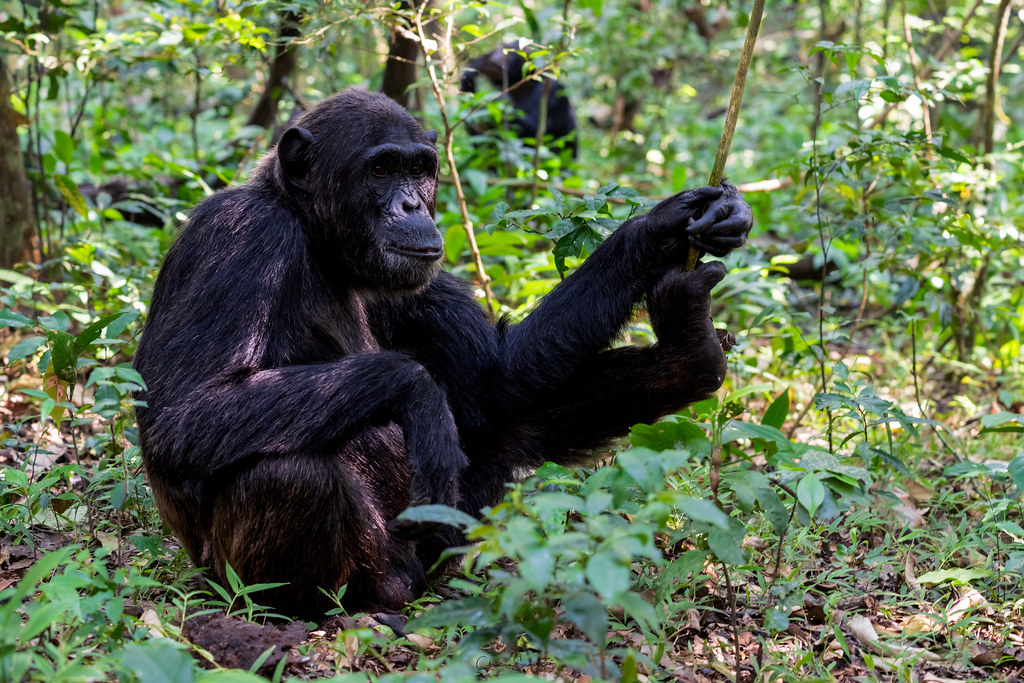
Chimpanzee Trekking in Gombe Stream National Park, Tanzania: Complete Safari Guide
Introduction to Chimpanzee Trekking in Gombe Stream National Park
Chimpanzee trekking in Gombe Stream National Park is one of Tanzania’s most memorable wildlife experiences. Located along the eastern shores of Lake Tanganyika in western Tanzania, this remarkable forest park is famous for its wild chimpanzees, spectacular scenery and internationally recognised conservation history.
Gombe is particularly significant because it is where Dr. Jane Goodall began her pioneering study of wild chimpanzees in 1960. Her research transformed the world’s understanding of chimpanzee behaviour, social relationships, intelligence and conservation. Today, visitors can explore the same forest environment and join guided treks to observe habituated chimpanzee communities in their natural habitat.
Unlike traditional wildlife safaris that involve driving across open plains, chimpanzee trekking in Gombe takes place on foot. Visitors follow experienced park guides through forest trails, valleys and steep hillsides while searching for chimpanzees feeding, resting, grooming, playing and moving through the trees.
The experience can also include forest walks, birdwatching, visits to waterfalls and time beside the clear waters of Lake Tanganyika. For travellers interested in primates, nature, conservation and authentic wilderness experiences, Gombe is an exceptional destination.
Whether you are planning a dedicated Tanzania chimpanzee trekking safari or combining Gombe with other destinations in western Tanzania, this guide explains what to expect, when to visit, how to get there and how to organise your trip.
Where Is Gombe Stream National Park?
Gombe Stream National Park is situated in the Kigoma Region of western Tanzania, along the eastern shoreline of Lake Tanganyika. It is one of Tanzania’s smallest national parks, covering approximately 56 square kilometres according to Tanzania National Parks (TANAPA).
Despite its small size, Gombe protects an important area of tropical forest and supports a variety of primates, birds and other forest wildlife. Its landscape consists of steep forested valleys, wooded slopes, streams and small beaches along Lake Tanganyika.
The park is remote compared with Tanzania’s northern safari destinations. There are no roads connecting the park interior to the national road network, so visitors normally travel to Kigoma and continue by boat across the lake.
This boat journey is an important part of the adventure. As you travel along Lake Tanganyika, you can enjoy views of forest-covered hills, fishing villages and the beautiful lakeshore before reaching the park.
Why Visit Gombe Stream National Park?
1. Observe Wild Chimpanzees in Their Natural Habitat
The main attraction of Gombe is the opportunity to observe wild chimpanzees in the forest where they have been studied for decades.
Chimpanzees are highly intelligent and social primates. During a trek, visitors may see individuals grooming one another, feeding on fruit, communicating through vocalisations, playing, climbing trees or travelling through the forest.
Unlike a zoo experience, chimpanzee trekking takes place in the animals’ natural environment. Their movements are unpredictable, and sightings depend on where the chimpanzees are located on the day of your visit.
2. Discover Jane Goodall’s Research Legacy
Gombe has a special place in the history of wildlife research. In 1960, Jane Goodall arrived in the area and began observing wild chimpanzees. Her long-term work revealed complex behaviours and social relationships that changed scientific understanding of our closest living relatives.
The Gombe Stream Research Centre and the continuing research tradition make the park an important destination for visitors interested in primatology, conservation and environmental education.
A visit to Gombe is therefore more than a wildlife excursion. It is also an opportunity to appreciate the importance of long-term research and the protection of endangered primate habitats.
3. Explore the Forests of Lake Tanganyika
Gombe’s forested hills rise from the shores of Lake Tanganyika, creating a beautiful combination of tropical woodland, streams and lakeside scenery.
The forest environment supports several primate species and a wide variety of birds. Visitors can enjoy the peaceful atmosphere, listen to forest sounds and discover the ecological importance of this protected landscape.
4. Enjoy the Beauty of Lake Tanganyika
Lake Tanganyika is one of Africa’s most remarkable lakes and provides a scenic setting for a Gombe safari.
Depending on park regulations, weather and arrangements, visitors may enjoy time along the lakeshore, swimming in designated safe areas and taking in the surrounding scenery.
5. Experience a Less-Visited Safari Destination
Gombe offers a very different experience from the popular northern Tanzania safari circuit. It is more remote, focused on walking and primate observation, and reached by boat rather than conventional safari vehicles.
For travellers seeking a quieter and more specialised wildlife experience, Gombe is an excellent addition to a wider Tanzania itinerary.
Chimpanzee Trekking in Gombe Stream National Park
Chimpanzee trekking is the highlight of a visit to Gombe. The activity involves walking through the forest with an authorised park guide to locate habituated chimpanzee communities.
Treks usually begin from the park’s lakeshore area. Guides use their knowledge of the forest, chimpanzee movements and recent observations to help locate the animals.
The walking distance and duration vary considerably. Some chimpanzees may be found relatively close to the starting point, while others may have moved deeper into the forest or higher up the slopes.
Visitors should be prepared for uneven terrain, steep sections, humid conditions and potentially slippery trails.
What Happens During a Chimpanzee Trek?
A typical chimpanzee trekking experience follows several stages:
Arrival and registration: Visitors arrive at the park by boat, complete the necessary registration and receive instructions about the activity.
Safety briefing: Park staff explain the rules for observing chimpanzees, including the required viewing distance, health precautions and appropriate behaviour in the forest.
Forest walk: Visitors follow their guide through the forest while looking for signs of chimpanzee activity.
Chimpanzee observation: Once the chimpanzees are located, visitors can observe their behaviour within the time and distance limits established by park authorities.
Return to the lakeshore: After the viewing period, the group returns to the park headquarters or designated departure point.
TANAPA’s chimpanzee-viewing guidelines limit the number of visitors in a Gombe tracking group and restrict the time spent observing the animals. Confirm the current group size, age requirements and operating arrangements before booking.
How Long Can You Spend with the Chimpanzees?
The standard chimpanzee-viewing period is limited to a maximum of one hour after the chimpanzees are located, subject to current park rules.
This gives visitors time to observe the animals without creating unnecessary disturbance. The actual duration of the entire trek can be much longer because guides may need to walk through different sections of the forest before finding the chimpanzees.
Is Chimpanzee Trekking Difficult?
Chimpanzee trekking in Gombe can be moderately challenging to demanding, depending on the location of the chimpanzees.
The park has steep hills, forest paths, tree roots and uneven ground. Walking conditions can become more difficult after rainfall.
A reasonable level of fitness is recommended. Visitors should bring comfortable hiking shoes, drinking water and clothing suitable for warm, humid forest conditions.
Other Wildlife in Gombe Stream National Park
Although chimpanzees are the main attraction, Gombe supports several other primate species and a variety of forest wildlife.
Olive Baboons
Olive baboons are among the primates visitors may encounter around the forest and lakeshore. They live in social groups and can often be observed feeding, grooming and interacting with one another.
Red Colobus Monkeys
Red colobus monkeys are another important primate species found in Gombe. They spend much of their time in the forest canopy, feeding on leaves and moving between branches.
Red-Tailed Monkeys
These active forest monkeys may be seen moving through the trees in search of fruit and other food. Their agility makes them interesting subjects for wildlife photography.
Blue Monkeys
Blue monkeys are also part of Gombe’s primate diversity. They are generally associated with forest habitats and can sometimes be seen during guided walks.
Birds and Other Forest Wildlife
Gombe is an interesting destination for birdwatching. Its forest habitats support a variety of bird species, while the streams and lakeshore provide additional ecological environments.
Visitors may also encounter butterflies and other smaller forest creatures during nature walks.
Best Time to Visit Gombe Stream National Park
Gombe can be visited throughout the year, but the dry season is generally preferred for chimpanzee trekking because forest trails are easier to navigate.
June to October: Dry Season
The period from June to October is generally considered one of the best times to visit Gombe.
During these months, rainfall is usually lower, forest trails are often firmer and hiking conditions are more comfortable. The clearer conditions can also make forest exploration easier.
This is a popular period for visitors, so advance arrangements for accommodation, boat transfers and chimpanzee trekking are recommended.
November to May: Green Season
The wetter months bring greener vegetation, flowing streams and beautiful forest scenery.
However, rainfall can make trails slippery and trekking more demanding. Chimpanzees remain in the park throughout the year, but their location and visibility can vary.
The green season may appeal to visitors interested in photography, birdwatching and lush tropical landscapes, provided they are comfortable with changing weather conditions.
How to Get to Gombe Stream National Park
Reaching Gombe requires travelling to Kigoma before continuing by boat across Lake Tanganyika.
By Air to Kigoma
The most convenient option for many visitors is to fly to Kigoma Airport from other Tanzanian destinations, subject to available airline schedules and connections.
Travellers should check current flight availability from Dar es Salaam and other departure points before confirming their itinerary.
Upon arrival in Kigoma, a road transfer can take visitors to the departure point for their boat journey.
By Boat from Kigoma
There are no roads into Gombe National Park. Visitors must travel by boat from Kigoma across Lake Tanganyika.
The journey time depends on the type of boat, lake conditions and the departure point. Private motorboat transfers are generally faster than local lake transport.
Boat arrangements should be confirmed in advance, particularly when coordinating arrival flights, accommodation and trekking schedules.
By Road to Kigoma
Kigoma can also be reached by road from other parts of Tanzania. However, road journeys can be long, and travellers should allow sufficient time for the journey and possible delays.
For visitors with limited time, flying to Kigoma is usually the more convenient option.
Accommodation in and Around Gombe
Accommodation options for Gombe visitors include facilities within the park and hotels or guesthouses in Kigoma.
Accommodation Inside the Park
Staying inside the park can make it easier to participate in early morning chimpanzee trekking and enjoy the natural environment.
Facilities may include basic park accommodation and camping arrangements, subject to availability and current operating conditions.
Visitors should confirm accommodation standards, meals, water and electricity arrangements before booking.
Hotels in Kigoma
Kigoma offers a wider selection of accommodation, from simple guesthouses to more comfortable hotels.
Staying in Kigoma can be convenient for travellers who prefer a larger choice of restaurants and accommodation facilities. However, boat transfers must be coordinated carefully with trekking schedules.
For a relaxed experience, consider spending at least one night in Kigoma before travelling to Gombe.
Suggested Gombe Stream National Park Itineraries
The following itineraries can be adapted according to flight schedules, boat transfers, accommodation availability and the number of chimpanzee trekking experiences you wish to include.
2 Days Gombe Chimpanzee Trekking Safari
| Day | Activities |
|---|---|
| Day 1 | Arrive in Kigoma, transfer to the lakeshore and travel by boat to Gombe. Complete park registration and enjoy the lakeside environment. |
| Day 2 | Early morning chimpanzee trekking with a park guide. Return to Kigoma by boat and connect with your onward travel arrangements. |
This is a short option for visitors with limited time. However, flight and boat schedules must align, and an additional night may be necessary to avoid a rushed connection.
3 Days Gombe Chimpanzee Trekking Safari
| Day | Activities |
|---|---|
| Day 1 | Arrive in Kigoma, check into your hotel and prepare for the Gombe excursion. |
| Day 2 | Travel by boat to Gombe Stream National Park. Enjoy guided chimpanzee trekking and explore the lakeshore surroundings. |
| Day 3 | Enjoy another forest walk or a second chimpanzee trekking opportunity, subject to availability. Return to Kigoma. |
This itinerary provides more time to enjoy the park and offers an additional opportunity to search for chimpanzees.
4 Days Gombe and Kigoma Nature Experience
| Day | Activities |
|---|---|
| Day 1 | Arrive in Kigoma and explore the lakeside town. |
| Day 2 | Travel by boat to Gombe and enjoy a guided chimpanzee trek. |
| Day 3 | Enjoy another forest excursion, birdwatching or a visit to a waterfall, depending on park arrangements. |
| Day 4 | Return by boat to Kigoma and continue with your onward journey. |
This longer itinerary is suitable for travellers who want a more relaxed visit and additional time to experience the Lake Tanganyika region.
Gombe Stream National Park and Other Tanzania Safari Destinations
Gombe can be combined with other destinations to create a wider western Tanzania itinerary.
Gombe and Mahale Mountains National Park
Combining Gombe with Mahale Mountains National Park creates an outstanding chimpanzee-focused safari in western Tanzania.
Both parks are located along Lake Tanganyika and offer opportunities to observe wild chimpanzees in forest environments.
Gombe is associated with Jane Goodall’s pioneering research, while Mahale is known for its forested mountains and chimpanzee communities.
This combination is especially appealing to travellers who want to explore two of Tanzania’s most important primate destinations.
Gombe and Katavi National Park
For a combination of primate trekking and classic wildlife viewing, consider adding Katavi National Park.
Katavi is known for its remote wilderness, large buffalo herds, elephants, hippos and crocodiles. Combining it with Gombe creates a diverse western Tanzania safari.
Gombe and Lake Tanganyika
Lake Tanganyika is an essential part of the Gombe experience. Visitors can combine chimpanzee trekking with lakeside relaxation, scenic boat journeys and nature exploration around Kigoma.
Gombe and Rubondo Island National Park
Travellers interested in primates and remote island environments may consider adding Rubondo Island National Park to a longer Tanzania itinerary.
Rubondo offers a different ecosystem and wildlife experience on Lake Victoria, making it an interesting extension for visitors exploring Tanzania’s less-visited parks.
What to Pack for Chimpanzee Trekking in Gombe
Packing appropriately can make your forest trekking experience more comfortable.
Recommended items include:
- Comfortable hiking boots or trail shoes with good grip.
- Lightweight long trousers and long-sleeved shirts.
- A waterproof jacket or light raincoat.
- A small backpack for personal belongings.
- Drinking water and snacks, subject to park rules.
- Sunscreen, sunglasses and a hat.
- Insect repellent.
- A camera with a suitable zoom lens.
- Binoculars for birdwatching.
- Personal medication and basic first-aid supplies.
- A reusable water bottle.
Neutral-coloured clothing is useful for forest walks and wildlife photography. Avoid wearing strong perfumes or carrying unnecessary items that could disturb wildlife.
Chimpanzee Trekking Rules and Responsible Tourism
Chimpanzees are wild animals and must be treated with respect. Visitors are expected to follow all instructions from their guides and park authorities.
Important guidelines include:
Maintain the required distance: Keep at least the distance specified by current TANAPA regulations. Official guidance instructs visitors not to approach chimpanzees too closely.
Follow health precautions: Chimpanzees are vulnerable to human respiratory illnesses. Visitors who are unwell, particularly those with coughs or fever, should not participate in trekking. Follow current mask requirements.
Avoid loud noises: Do not shout, make sudden movements or attempt to attract the animals’ attention.
Do not feed chimpanzees: Feeding wildlife can change natural behaviour and create health risks.
Do not touch the chimpanzees: Maintain a respectful distance even if an animal approaches.
Avoid flash photography: Flash can disturb wildlife.
Do not leave rubbish: Carry all waste out of the forest and follow the park’s environmental guidelines.
Follow your guide: Never leave the group or attempt to approach chimpanzees independently.
Responsible tourism helps protect Gombe’s chimpanzee communities and ensures that future visitors can enjoy the same remarkable experience.
Chimpanzee Trekking Costs and Permits in Gombe
Chimpanzee trekking in Gombe requires payment of applicable park entry and activity fees. The total cost of a visit may include:
- TANAPA park conservation fees.
- Chimpanzee trekking or applicable activity charges.
- Boat transfers between Kigoma and Gombe.
- Accommodation.
- Meals and drinking water.
- Ground transfers in Kigoma.
- Guide or other applicable service charges.
- Optional activities and additional excursions.
Fees vary according to visitor category, residency status, age and the applicable TANAPA tariff. They may also be revised.
For this reason, travellers should request an updated quotation before booking rather than relying on old online prices. Official park fees and payment procedures can be checked through the Tanzania National Parks website.
Chimpanzee trekking availability should also be confirmed in advance, especially during the popular dry season.
Frequently Asked Questions About Chimpanzee Trekking in Gombe
1. Is Gombe Stream National Park good for chimpanzee trekking?
Yes. Gombe is one of Tanzania’s best-known chimpanzee trekking destinations. It is internationally recognised for its wild chimpanzees and the long-running research initiated by Jane Goodall in 1960.
2. Where is Gombe Stream National Park located?
Gombe is located in western Tanzania, in Kigoma Region, along the eastern shores of Lake Tanganyika.
3. How do I get to Gombe National Park?
Visitors normally travel to Kigoma by air or road and then take a boat across Lake Tanganyika. There are no roads into the park.
4. Can I see chimpanzees in Gombe?
Chimpanzee trekking provides an opportunity to observe habituated wild chimpanzees. However, sightings cannot be guaranteed because the animals move freely through the forest.
5. How long does chimpanzee trekking take?
The full trek may take several hours, depending on the location of the chimpanzees. Once the animals are located, the standard viewing period is limited to a maximum of one hour under the applicable guidelines.
6. What is the best time for chimpanzee trekking in Gombe?
June to October is generally preferred because trails are often drier and easier to navigate. Gombe can be visited throughout the year, although wet-season conditions can make trekking more challenging.
7. Is chimpanzee trekking difficult?
The activity requires walking on forest trails with steep and uneven sections. A reasonable level of physical fitness and suitable hiking footwear are recommended.
8. Can children participate in chimpanzee trekking?
Age restrictions apply to chimpanzee trekking. Visitors should confirm the current minimum age directly with TANAPA before booking, particularly when travelling with children.
9. Can I combine Gombe with Mahale Mountains National Park?
Yes. Gombe and Mahale can be combined in a longer western Tanzania itinerary. Both parks offer chimpanzee trekking experiences along Lake Tanganyika, although travel logistics need careful planning.
10. How many days should I spend in Gombe?
Two to three nights is a useful starting point for most visitors. A longer stay allows more flexibility for trekking, forest walks and lake activities.
11. Do I need to book chimpanzee trekking in advance?
Advance arrangements are recommended. Confirm park entry, trekking availability, accommodation and boat transfers before travelling to Kigoma.
12. Is Gombe suitable for a self-drive safari?
Visitors can drive to Kigoma if they prefer a road journey, but they cannot drive into Gombe National Park. The final transfer to the park is by boat.
Plan Your Chimpanzee Trekking Safari in Gombe Stream National Park
A journey to Gombe Stream National Park offers a rare opportunity to experience Tanzania’s wild chimpanzees in one of Africa’s most historically important primate research areas.
From guided forest trekking and encounters with other primates to the beautiful shores of Lake Tanganyika, Gombe provides a distinctive safari experience away from the busy northern Tanzania circuit.
Whether you are planning a short chimpanzee trekking excursion or a longer western Tanzania adventure, careful arrangements for flights, boat transfers, permits and accommodation will help you make the most of your visit.
Contact our safari team to plan your Gombe chimpanzee trekking safari, combine Gombe with Mahale Mountains National Park or create a wider Tanzania wildlife and primate safari.
Discover the forests, wildlife and conservation heritage of Gombe Stream National Park and experience one of Tanzania’s most remarkable natural destinations.