
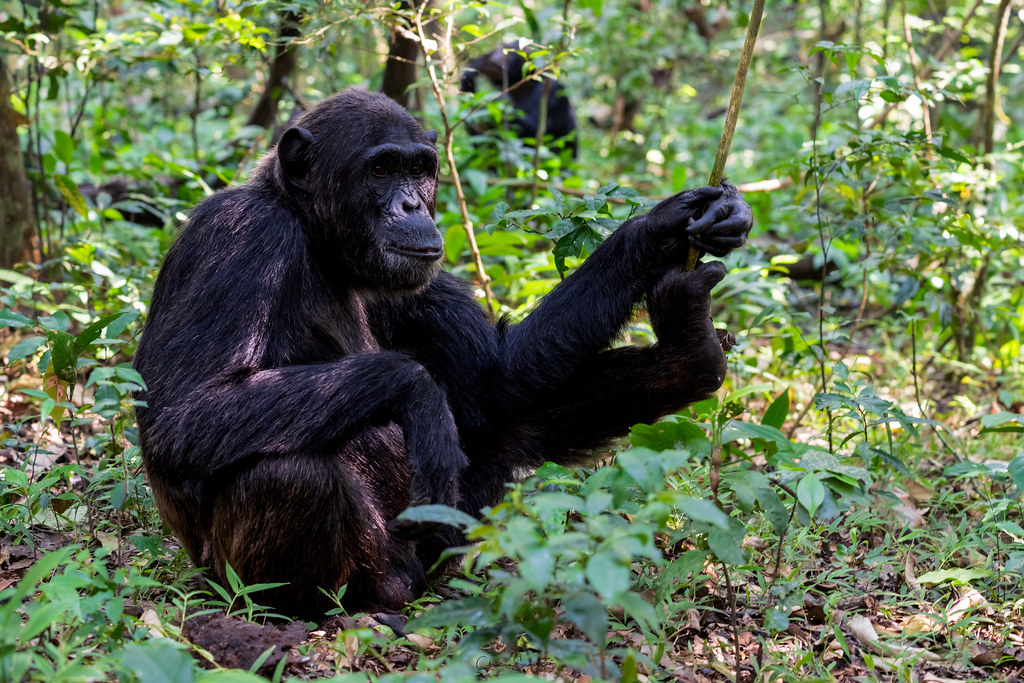
Tanzania Primate Tracking: Chimpanzees, Colobus Monkeys and Wildlife Experiences
Tanzania is one of Africa’s most fascinating destinations for primate enthusiasts, offering opportunities to encounter wild chimpanzees, rare colobus monkeys, baboons and several other primate species in their natural habitats.
Beyond its famous wildlife destinations, including the Serengeti, Ngorongoro Crater, Tarangire and Ruaha, Tanzania protects some of East Africa’s most important primate habitats. From the forests bordering Lake Tanganyika to the mountain forests of the Southern Highlands and the tropical woodlands of Zanzibar, the country offers diverse experiences for travelers interested in primates and conservation.
The highlight of Tanzania primate tracking is the opportunity to follow wild chimpanzees in Gombe Stream National Park and Mahale Mountains National Park. These western Tanzania destinations provide some of Africa’s most memorable chimpanzee encounters, allowing visitors to observe habituated chimpanzee communities in their natural forest environment.
Tanzania also offers unique opportunities to see the endemic Zanzibar red colobus monkeys in Jozani Chwaka Bay National Park and the rare primates of Udzungwa Mountains National Park.
Whether you are planning a dedicated chimpanzee trekking safari, a wildlife photography holiday or a longer East African adventure, Tanzania offers remarkable opportunities to explore the world of African primates.
Our safari team can help organize your Tanzania primate adventure, including park arrangements, transportation, accommodation and customized wildlife itineraries.
About Tanzania
Tanzania is a beautiful East African country known for its spectacular landscapes, extraordinary wildlife and diverse ecosystems. It is home to some of the continent’s most celebrated national parks and conservation areas.
The country offers a remarkable variety of safari experiences, ranging from the endless plains of Serengeti National Park to the dramatic landscapes of Ngorongoro Conservation Area, the elephant-rich wilderness of Tarangire and the remote wilderness of Nyerere National Park.
Tanzania is also an important destination for primate conservation. Its forests support wild chimpanzees, colobus monkeys, blue monkeys, baboons and several other species.
The western part of the country, particularly around Lake Tanganyika, is famous for wild chimpanzee tracking. In the south, Udzungwa Mountains protects rare and endemic primates, while Zanzibar is home to the endangered Zanzibar red colobus monkey.
These destinations make Tanzania an excellent choice for travelers seeking a combination of primate encounters, forest exploration and traditional African wildlife safaris.
Where Can You See Chimpanzees in Tanzania?
Tanzania’s main wild chimpanzee tracking destinations are Gombe Stream National Park and Mahale Mountains National Park, both located along the shores of Lake Tanganyika in western Tanzania.
Visitors travel into the forest with experienced park guides to search for habituated chimpanzee communities. Once the chimpanzees are located, visitors can observe their natural behavior, including feeding, grooming, climbing, resting and social interaction.
The experience involves walking through forested terrain, sometimes along steep slopes and narrow trails. The duration and difficulty depend on the location of the chimpanzees and the conditions of the forest.
Unlike visiting a wildlife sanctuary, chimpanzee tracking in Gombe and Mahale takes place in the natural habitat of wild chimpanzees.
Gombe Stream National Park
Gombe Stream National Park is one of Tanzania’s most famous primate destinations and an important location in the history of chimpanzee research.
Located along the eastern shores of Lake Tanganyika in Kigoma Region, the park is particularly famous for the long-term chimpanzee research conducted by renowned primatologist Dr. Jane Goodall.
Her pioneering work began in the 1960s and transformed scientific understanding of chimpanzee behavior, social relationships and intelligence.
Gombe is relatively small compared with Tanzania’s major savannah parks, but it protects an important forest ecosystem supporting wild chimpanzees and other wildlife.
The main attraction is chimpanzee tracking. Visitors walk through the forest accompanied by trained guides who help locate habituated chimpanzee communities.
During the encounter, you may observe chimpanzees feeding on fruit, grooming one another, moving through the forest canopy or interacting with members of their social groups.
The experience is unpredictable because chimpanzees are wild animals and move freely through their natural habitat.
Other attractions in Gombe include forest hiking, birdwatching, waterfalls and beautiful views of Lake Tanganyika.
Gombe is an excellent destination for travelers interested in primatology, conservation, photography and the history of wildlife research.
Mahale Mountains National Park
Mahale Mountains National Park is another exceptional destination for wild chimpanzee tracking in Tanzania.
Located along the shores of Lake Tanganyika in western Tanzania, Mahale is famous for its forested mountains, remote beaches and large population of wild chimpanzees.
The park protects an extensive wilderness area with tropical forests, mountain slopes and lakeshore habitats. It is widely recognized as one of Africa’s outstanding chimpanzee trekking destinations.
Visitors explore the forest with experienced guides, following trails and listening for chimpanzee calls before locating the habituated groups.
Once the chimpanzees are found, visitors can spend the permitted observation period watching their behavior at close range under park regulations.
Mahale is particularly attractive because it combines chimpanzee tracking with the beautiful scenery of Lake Tanganyika.
After a forest trek, travelers can relax along the lake’s sandy beaches, enjoy boat excursions or explore other activities offered by their accommodation and the park.
Other primates found in Mahale include red colobus monkeys, red-tailed monkeys and blue monkeys.
The park is an excellent destination for travelers seeking a remote and exclusive wildlife experience away from Tanzania’s more frequently visited northern safari circuit.
Gombe or Mahale: Which Is Better for Chimpanzee Trekking?
Both Gombe and Mahale offer exceptional opportunities to observe wild chimpanzees in Tanzania. However, they provide different travel experiences.
Gombe Stream National Park is particularly appealing to travelers interested in the history of chimpanzee research and the legacy of Jane Goodall. Its smaller size and location near Kigoma make it a distinctive destination for chimpanzee tracking.
Mahale Mountains National Park is ideal for travelers looking for a more remote wilderness experience. Its dramatic mountain scenery, forest environment and Lake Tanganyika beaches create a memorable combination of wildlife and relaxation.
Your choice will depend on travel dates, accommodation availability, budget, preferred level of comfort and how much time you have available.
Both destinations require advance planning because reaching western Tanzania can involve additional flights, road transfers and boat transportation.
What to Expect During Tanzania Chimpanzee Tracking
Chimpanzee tracking is an exciting forest adventure that brings visitors into the natural environment of one of Africa’s most intelligent primates.
The activity normally begins with a briefing from park staff or guides, who explain the tracking procedures, safety instructions and rules for observing chimpanzees.
After the briefing, visitors enter the forest with an experienced guide and begin searching for the habituated chimpanzee community.
The walk can involve uneven paths, slopes, roots, vegetation and sometimes muddy trails. The distance covered depends on where the chimpanzees are located.
When the group finds the chimpanzees, visitors observe them from the distance required by park regulations.
You may see chimpanzees moving through the forest, feeding on fruits, grooming, playing, resting or communicating through calls and gestures.
The standard viewing period is limited to one hour, helping minimize disturbance to the animals.
Chimpanzee tracking is not guaranteed to be easy. Some encounters involve relatively short walks, while others require more demanding forest hikes.
Visitors should be physically prepared and follow the instructions of their guides throughout the activity.
Other Primates Found in Tanzania
Although chimpanzees are the main attraction for many primate enthusiasts, Tanzania is home to several other fascinating primates.
Different national parks, forest reserves and conservation areas protect unique species, including endemic monkeys found nowhere else in the world.
Zanzibar Red Colobus Monkeys
The Zanzibar red colobus monkey is one of Tanzania’s most distinctive primates.
This endangered species is endemic to Unguja Island in the Zanzibar Archipelago and is particularly associated with the forests of Jozani Chwaka Bay National Park.
The monkeys are recognizable by their reddish backs, contrasting white and dark fur and long tails.
Visitors exploring Jozani Forest can observe these primates moving through the trees, feeding on leaves and interacting within their groups.
The Zanzibar red colobus is an important conservation species because its forest habitat has been affected by deforestation, agricultural expansion and human development.
A visit to Jozani provides an opportunity to learn about the importance of protecting Zanzibar’s remaining natural forests.
Udzungwa Red Colobus Monkeys
Udzungwa Mountains National Park is one of Tanzania’s most important primate conservation areas.
The park protects several primate species, including the Udzungwa red colobus monkey, an endemic species found in the forests of the Udzungwa Mountains.
Visitors exploring the park may also encounter Sanje mangabeys, blue monkeys, baboons and other forest wildlife.
The forest environment, waterfalls and mountain trails make Udzungwa an excellent destination for travelers interested in combining primate observation with hiking and nature exploration.
Sanje Mangabeys
The Sanje mangabey is a rare primate endemic to the Udzungwa Mountains of Tanzania.
It is one of the most interesting species for primate enthusiasts visiting the region.
These monkeys are associated with forest habitats and are known for their social behavior and distinctive appearance.
Udzungwa Mountains National Park is an important protected area for this species, and guided forest activities provide opportunities to discover the park’s rich biodiversity.
Blue Monkeys
Blue monkeys are found in several forested parts of Tanzania, including habitats around Gombe, Mahale and other suitable woodland areas.
They are active, social primates that spend much of their time in trees, feeding on fruits, leaves and other plant material.
Red-Tailed Monkeys
Red-tailed monkeys occur in parts of western Tanzania, including forest habitats around Mahale.
They are generally recognized by their contrasting facial markings and reddish tail features.
Olive Baboons
Olive baboons are widely distributed across Tanzania and can be seen in several national parks and wildlife areas.
They are highly social animals, living in groups and adapting to different habitats, including forests, woodland and open savannah.
Jozani Chwaka Bay National Park: Zanzibar Red Colobus Tracking
Jozani Chwaka Bay National Park is Zanzibar’s most famous primate destination.
Located on Unguja Island, the park protects an important natural forest ecosystem and is particularly well known for the endangered Zanzibar red colobus monkey.
The forest contains different habitats, including groundwater forest, coral rag forest, mangroves and other coastal vegetation.
Visitors can explore designated nature trails with local guides, learning about the forest ecosystem and observing the red colobus monkeys in their natural environment.
The monkeys are often seen feeding, moving between branches and interacting in groups.
Jozani is an excellent addition to a Zanzibar beach holiday because it offers a nature experience away from the island’s beaches and resorts.
Travelers can combine a visit to Jozani with other Zanzibar attractions, including Stone Town, the island’s beaches, spice farms and coastal villages.
Udzungwa Mountains National Park: Tanzania’s Primate Paradise
Udzungwa Mountains National Park is one of Tanzania’s most important destinations for forest biodiversity and endemic primates.
Located in southern Tanzania, the park forms part of the Eastern Arc Mountains, a region known for exceptional biodiversity and unique wildlife species.
Unlike the open savannah landscapes of Serengeti and Tarangire, Udzungwa is characterized by tropical forests, mountain slopes, rivers and spectacular waterfalls.
The park protects several primate species, including the endemic Sanje mangabey and Udzungwa red colobus monkey.
Visitors can explore forest trails with experienced guides, enjoying opportunities to observe primates, birds, butterflies and other forest wildlife.
One of the park’s most popular attractions is Sanje Waterfalls, where hiking trails lead through beautiful forest scenery to impressive waterfalls and viewpoints.
Udzungwa is an excellent destination for travelers interested in nature walks, hiking, birdwatching and primate conservation.
Best Time for Tanzania Primate Tracking
Tanzania offers primate experiences throughout the year, although weather conditions can influence forest trekking and accessibility.
The drier months generally provide more favorable conditions for hiking and moving through forest trails.
For many western Tanzania safari itineraries, the dry season from approximately June to October is a popular period to consider.
During wetter months, forest trails may become muddy and slippery, and travel arrangements can require additional flexibility.
However, forest environments remain beautiful during the rainy season, and wildlife experiences can still be rewarding.
For Zanzibar red colobus viewing, Jozani Chwaka Bay National Park can be visited throughout the year, subject to park conditions and visitor arrangements.
Udzungwa is also a year-round nature destination, although hiking conditions vary according to rainfall.
The best travel period depends on the specific park, accommodation availability and the wider safari itinerary.
How Much Does Tanzania Chimpanzee Tracking Cost?
The cost of a Tanzania chimpanzee safari depends on the park, travel dates, accommodation, transportation and number of tracking activities.
Gombe and Mahale require more logistical planning than many northern Tanzania safari destinations because they are located in the remote western part of the country.
Your safari budget may include:
| Safari component | What it covers |
|---|---|
| National park fees | Applicable park entry charges |
| Chimpanzee tracking | Applicable tracking activity fees |
| Accommodation | Lodges, camps or other available accommodation |
| Transportation | Flights, road transfers and boat transfers where required |
| Professional guiding | Park guiding and safari coordination |
| Meals | Depending on accommodation and package |
| Additional activities | Boat trips, hiking and other available experiences |
A Gombe or Mahale safari can cost more than a conventional short wildlife safari because of the additional transport arrangements and remote location.
The final price also depends on whether you choose budget, mid-range or luxury accommodation.
For the most accurate quotation, travelers should confirm the latest park tariffs, tracking charges and accommodation availability before booking.
Our team can prepare a customized itinerary based on your travel dates, number of travelers and preferred comfort level.
How to Book Tanzania Chimpanzee Tracking
Planning a chimpanzee safari requires advance coordination, particularly for Gombe and Mahale.
The general booking process includes:
- Select your preferred chimpanzee tracking destination.
- Choose suitable travel dates.
- Confirm park entry and chimpanzee tracking arrangements.
- Arrange flights, road transfers and boat transportation where necessary.
- Reserve accommodation.
- Organize guiding and other planned activities.
- Confirm the complete safari itinerary before departure.
Advance booking is recommended, especially during popular travel periods when accommodation and transport availability may be limited.
For travelers combining several destinations, it is important to allow enough time for transfers between parks.
Is Tanzania Chimpanzee Tracking Safe?
Chimpanzee tracking is conducted under national park regulations and with trained park guides.
However, chimpanzees are wild animals and can behave unpredictably. Visitors must follow all instructions and maintain the required distance.
Important visitor guidelines include:
- Follow your guide’s instructions throughout the trek.
- Maintain the required distance from chimpanzees.
- Do not attempt to touch or feed the animals.
- Avoid loud noises and sudden movements.
- Never use flash photography.
- Do not visit chimpanzees when you are sick.
- Avoid smoking, spitting or wearing strong perfumes during viewing.
- Do not leave rubbish in the forest.
- Respect the maximum group size and viewing time.
- Avoid disturbing chimpanzees when they are feeding, resting or moving through the forest.
These rules are important because chimpanzees are susceptible to several human diseases, including respiratory infections.
Responsible tourism helps protect the animals and supports the long-term conservation of their natural habitats.
What to Pack for Tanzania Primate Tracking
Preparing properly makes chimpanzee tracking more comfortable, particularly when walking through steep and sometimes muddy forest terrain.
Recommended items include:
- Comfortable hiking boots with good grip.
- Lightweight long trousers.
- Long-sleeved shirts.
- A waterproof jacket.
- A small daypack.
- Drinking water.
- Insect repellent.
- Sunscreen.
- A hat.
- Binoculars.
- A camera without flash.
- Personal medication.
- A walking stick where recommended by your guide.
Visitors should wear practical clothing suitable for walking through dense forest vegetation.
For Gombe and Mahale, travelers should also prepare for warm conditions around Lake Tanganyika and changing temperatures on forested mountain slopes.
Combining Tanzania Primate Tracking with Wildlife Safaris
One of the advantages of visiting Tanzania is the opportunity to combine primate experiences with some of Africa’s most spectacular wildlife destinations.
A longer safari can include chimpanzee tracking, traditional game drives, mountain hiking and beach relaxation.
Gombe and Mahale Chimpanzee Safari
A dedicated western Tanzania safari can combine Gombe and Mahale, depending on travel logistics and available accommodation.
Visitors can explore the forests of both parks, encounter wild chimpanzees and enjoy the beautiful scenery of Lake Tanganyika.
Tanzania Southern Circuit and Udzungwa
Travelers can combine Udzungwa Mountains National Park with Mikumi National Park, Nyerere National Park or Ruaha National Park.
This itinerary offers an excellent combination of forest primates, waterfalls and traditional wildlife viewing.
Tanzania Wildlife and Zanzibar Primate Safari
Combine a northern or southern Tanzania wildlife safari with a relaxing Zanzibar beach holiday.
After exploring the national parks, continue to Zanzibar for coastal relaxation and a guided visit to Jozani Chwaka Bay National Park to see the endemic red colobus monkeys.
Tanzania and Uganda Chimpanzee Safari
Travelers interested in a wider East African primate experience can combine Tanzania’s Gombe or Mahale chimpanzee tracking with chimpanzee tracking in Uganda’s Kibale Forest National Park.
Uganda also offers mountain gorilla trekking in Bwindi Impenetrable National Park and Mgahinga Gorilla National Park.
Tanzania and Rwanda Gorilla Safari
A regional safari can combine Tanzania’s wildlife and chimpanzee experiences with mountain gorilla trekking in Rwanda’s Volcanoes National Park.
This is an excellent option for travelers seeking a combination of great apes, savannah wildlife and East African landscapes.
Suggested Tanzania Primate Tracking Safari Packages
We can organize customized Tanzania primate experiences based on your available time, travel interests and budget.
3 Days Gombe Chimpanzee Tracking Safari
Explore Gombe Stream National Park and discover the chimpanzee research history associated with Jane Goodall.
The itinerary can include chimpanzee tracking, forest walks and time along the shores of Lake Tanganyika.
4 Days Mahale Mountains Chimpanzee Safari
Travel to Mahale Mountains National Park for an immersive forest experience.
Enjoy chimpanzee tracking, beautiful mountain scenery and relaxation along Lake Tanganyika.
5 Days Udzungwa Mountains and Mikumi Safari
Combine forest exploration in Udzungwa Mountains National Park with wildlife viewing in Mikumi National Park.
The itinerary offers opportunities to discover endemic primates, enjoy forest hikes and search for elephants, giraffes, zebras and other savannah wildlife.
6 Days Tanzania Chimpanzee and Wildlife Safari
Combine a chimpanzee tracking destination with selected wildlife areas, depending on your preferred route and available connections.
This itinerary can be tailored around Gombe or Mahale and may include additional western Tanzania destinations.
7 Days Tanzania Southern Circuit and Primate Safari
Explore Udzungwa Mountains National Park and combine it with Mikumi or Ruaha.
Enjoy forest walks, endemic primate encounters and traditional African game drives.
8 Days Tanzania Wildlife and Zanzibar Red Colobus Safari
Begin with a wildlife safari on the mainland before flying to Zanzibar.
Enjoy game drives and then explore Jozani Chwaka Bay National Park, where you can discover the endemic Zanzibar red colobus monkeys.
Where to Stay During a Tanzania Primate Safari
Accommodation options vary depending on the park and the remoteness of the destination.
For Gombe and Mahale, accommodation is more limited than in the northern safari circuit. Travelers should confirm availability and transfer arrangements before finalizing their itinerary.
Budget Accommodation
Budget accommodation may be available through selected camps, guesthouses and practical lodging options around the relevant destinations.
Availability depends on the park and travel season.
Mid-Range Accommodation
Mid-range accommodation provides a comfortable balance between facilities, service and price.
It is suitable for travelers seeking a relaxed stay while exploring Tanzania’s primate destinations.
Luxury Accommodation
Luxury safari camps and lodges offer a more exclusive experience, with personalized services, comfortable rooms and beautiful natural surroundings.
In Mahale, selected lakeside camps provide a particularly memorable setting, combining forest wildlife with views of Lake Tanganyika.
For Zanzibar, visitors can choose from beach resorts, boutique hotels and other accommodation options near the island’s main attractions.
Tanzania Primate Tracking vs Uganda and Rwanda Gorilla Trekking
Tanzania, Uganda and Rwanda offer different experiences for travelers interested in great apes and primate conservation.
Tanzania is particularly famous for wild chimpanzee tracking in Gombe and Mahale. It also offers rare endemic primates in Udzungwa and Zanzibar.
Uganda offers both mountain gorilla trekking and wild chimpanzee tracking. Visitors can track gorillas in Bwindi and Mgahinga, and chimpanzees in Kibale Forest and other suitable locations.
Rwanda is internationally recognized for mountain gorilla trekking in Volcanoes National Park, as well as chimpanzee tracking in Nyungwe National Park.
Travelers interested in a comprehensive East African primate holiday can combine these countries in one regional itinerary.
The best destination depends on the species you want to see, your travel dates, budget and available time.
Frequently Asked Questions About Tanzania Primate Tracking
1. Where can I see chimpanzees in Tanzania?
The main destinations for wild chimpanzee tracking in Tanzania are Gombe Stream National Park and Mahale Mountains National Park, both located along Lake Tanganyika.
2. Can I track wild chimpanzees in Tanzania?
Yes. Visitors can track habituated wild chimpanzee communities in Gombe and Mahale with trained park guides.
3. Which is better for chimpanzee trekking, Gombe or Mahale?
Both parks offer excellent experiences. Gombe is famous for Jane Goodall’s chimpanzee research history, while Mahale offers a remote wilderness setting with beautiful mountain forests and Lake Tanganyika beaches.
4. How long does chimpanzee tracking take?
The duration depends on where the chimpanzees are located and the condition of the forest trails. Walking can take varying amounts of time, while the standard chimpanzee viewing period is limited to one hour under park guidelines.
5. Is chimpanzee tracking difficult?
It can be physically demanding because the trails may involve steep slopes, uneven ground and dense vegetation. A reasonable level of fitness is recommended.
6. Can I see chimpanzees in Serengeti National Park?
No. Serengeti is not a chimpanzee tracking destination. Wild chimpanzees in Tanzania are found in western forest habitats, particularly Gombe and Mahale.
7. Where can I see red colobus monkeys in Tanzania?
Visitors can see Zanzibar red colobus monkeys in Jozani Chwaka Bay National Park and Udzungwa red colobus monkeys in Udzungwa Mountains National Park.
8. What is special about the Zanzibar red colobus?
The Zanzibar red colobus is an endangered primate endemic to Unguja Island in the Zanzibar Archipelago. It is particularly associated with the forests of Jozani.
9. Where can I see Sanje mangabeys?
Sanje mangabeys are endemic to the Udzungwa Mountains of Tanzania. Udzungwa Mountains National Park is an important destination for learning about and observing this rare primate.
10. What is the best time for chimpanzee tracking in Tanzania?
The drier months, particularly around June to October, are popular for western Tanzania chimpanzee safaris. However, conditions and accessibility vary, and the parks can be visited at other times depending on arrangements.
11. Can children participate in chimpanzee tracking?
Age restrictions apply to chimpanzee viewing activities and may differ according to park regulations. Confirm the current minimum age with the relevant park authority before booking.
12. Is chimpanzee tracking safe?
Tracking is organized under park regulations with trained guides. Visitors must follow instructions, maintain the required distance and avoid visiting when unwell.
13. Can I combine chimpanzee tracking with a Tanzania safari?
Yes. You can combine chimpanzee tracking with wildlife safaris, forest hiking, waterfalls and beach holidays, depending on your route and available time.
14. Can I combine Tanzania chimpanzee tracking with gorilla trekking?
Yes. Tanzania can be combined with Uganda or Rwanda for travelers interested in seeing wild chimpanzees and mountain gorillas during one East African holiday.
15. Do I need to book chimpanzee tracking in advance?
Advance planning is recommended because accommodation, flights, boat transfers and tracking arrangements can be limited, particularly in remote destinations such as Mahale.
Plan Your Tanzania Primate Tracking Safari
Tanzania offers an exceptional variety of primate experiences, from following wild chimpanzees through the forests of Gombe and Mahale to discovering rare colobus monkeys in Udzungwa and Zanzibar.
These experiences provide more than wildlife viewing. They offer opportunities to learn about primate behavior, conservation and the importance of protecting the natural habitats that support Africa’s unique biodiversity.
Whether you are planning a dedicated chimpanzee tracking adventure, a forest hiking holiday or a longer wildlife safari, our team can help organize a memorable Tanzania experience.
We can assist with park arrangements, accommodation, transportation and customized safari itineraries.
You can also combine your Tanzania adventure with Uganda Gorilla Trekking, Rwanda Gorilla Trekking, Kenya Wildlife Safaris, Tanzania Northern Circuit Safaris, Southern Tanzania Safaris and Zanzibar Beach Holidays.
Request Your Tanzania Primate Safari
Ready to discover Tanzania’s fascinating primates?
Contact our safari team with your preferred travel dates, number of travelers, preferred destinations and estimated budget.
We will help you plan a personalized itinerary that brings together chimpanzee tracking, forest exploration and unforgettable wildlife experiences.
Discover Tanzania. Track wild chimpanzees. Explore East Africa.