
30 Days in East Africa from Tanzania: The Ultimate Kenya, Uganda and Rwanda Safari
Introduction: Discover East Africa in 30 Days from Tanzania
A month-long journey through East Africa starting in Tanzania offers an extraordinary combination of wildlife safaris, mountain gorilla trekking, cultural encounters, scenic road trips and tropical beach relaxation. From the wildlife-rich plains of the Serengeti to Kenya’s Maasai Mara, Uganda’s tropical rainforests and Rwanda’s volcanic mountains, this 30-day adventure introduces travellers to some of the region’s most remarkable destinations.
Beginning in Dar es Salaam, the itinerary explores Tanzania’s northern safari circuit before continuing into Kenya, Uganda and Rwanda. The journey finishes with time on Zanzibar Island, where historic Stone Town, Swahili culture and beautiful Indian Ocean beaches provide a relaxing conclusion.
This itinerary is ideal for couples, families, photographers, wildlife enthusiasts and independent travellers seeking a comprehensive East African experience. Depending on your travel style, the journey can be arranged as a self-drive 4×4 expedition, a guided safari or a combination of rental vehicles, local transfers and regional flights.
Travellers who prefer independent exploration can consider East Africa 4×4 car rental, while those seeking a more comfortable experience can arrange accommodation and guided activities throughout the route.
Cross-border self-drive travel requires advance authorisation, appropriate insurance and the correct vehicle documentation. These arrangements should be confirmed before booking.
Why Start Your East Africa Safari in Tanzania?
Tanzania is one of Africa’s most celebrated safari destinations, offering extensive wilderness areas, varied landscapes and a rich cultural heritage.
Starting in Dar es Salaam allows travellers to experience Tanzania’s coastal atmosphere before heading inland towards the northern safari circuit. Tarangire, Lake Manyara, Ngorongoro Crater and Serengeti National Park offer excellent opportunities to explore wildlife habitats and scenic landscapes.
From northern Tanzania, travellers can continue into Kenya to explore the Great Rift Valley and Maasai Mara before travelling to Uganda and Rwanda for primate encounters.
The journey can finish with Zanzibar’s beaches, spice farms and historic attractions, creating a balance between adventure and relaxation.
For travellers interested in independent road trips, a self-drive safari in Tanzania can be a rewarding way to explore selected national parks and rural destinations. Confirm the route, vehicle suitability and cross-border arrangements before setting off.
Days 1–9: Explore Tanzania’s Northern Safari Circuit
Day 1: Arrive in Dar es Salaam
Arrive at Julius Nyerere International Airport in Dar es Salaam and transfer to your hotel.
Depending on your arrival time, explore the city’s waterfront, local markets and restaurants. Dar es Salaam is an important transport hub and a useful place to organise vehicle rental, travel supplies and onward transport.
If you are planning a multi-country road trip, confirm your rental agreement, insurance, driving documentation and border permissions before departure.
Day 2: Dar es Salaam to Arusha
Travel to Arusha, the principal gateway to Tanzania’s northern safari circuit.
Because the road journey is long, consider a domestic flight if you prefer to save time. If travelling overland, plan a comfortable overnight stop or allow sufficient time for the journey.
Upon arrival, prepare for the upcoming safari by confirming park reservations, accommodation and vehicle equipment.
Day 3: Arusha to Tarangire National Park
Travel to Tarangire National Park, famous for its large elephant populations, ancient baobab trees and seasonal concentrations of wildlife.
Enjoy a game drive through the park’s savannah and woodland habitats. Depending on the season, animals gather around the Tarangire River and other water sources, creating rewarding opportunities for wildlife viewing.
Spend the night at a lodge or permitted campsite.
Day 4: Tarangire to Lake Manyara
Continue towards Lake Manyara National Park, a scenic destination featuring groundwater forest, lake habitats and the Great Rift Valley escarpment.
Look for elephants, baboons, giraffes and a wide variety of birdlife. The park’s landscape provides excellent photographic opportunities, although sightings vary with conditions.
After your visit, continue to Karatu or another convenient overnight destination.
Day 5: Ngorongoro Crater Safari
Travel to Ngorongoro Conservation Area for a wildlife safari in the famous Ngorongoro Crater.
The crater supports a diverse range of wildlife, including zebras, wildebeest, buffaloes, lions and, with luck, black rhinos.
An early start is advisable because crater access is regulated and the visit requires careful planning. Confirm the current conservation charges, vehicle rules and access arrangements before travelling.
Day 6: Ngorongoro to Serengeti National Park
Continue into Serengeti National Park, one of Africa’s best-known wildlife destinations.
The drive passes through remarkable landscapes, and wildlife may be seen along the route. Choose accommodation based on the region you plan to explore and your travel dates.
The central Serengeti offers year-round wildlife-viewing opportunities, while the western, northern and southern regions can be particularly rewarding at different times of the year.
Days 7–8: Serengeti Wildlife Safari
Spend two full days exploring Serengeti National Park.
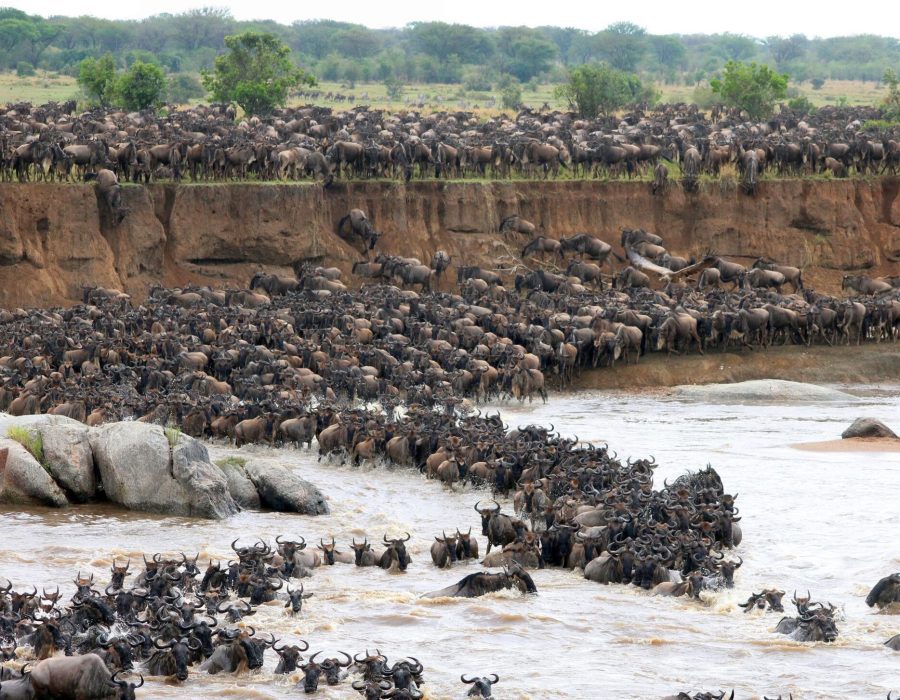
Enjoy morning and afternoon game drives in search of lions, elephants, leopards, cheetahs and other wildlife. Depending on the season, you may encounter large herds of wildebeest and zebras associated with the Great Migration.
The migration follows rainfall and grazing conditions, so the location of the herds changes throughout the year.
Self-drive travellers should plan fuel, accommodation, permitted routes and driving times carefully. The Serengeti is vast, and distances between regions can be considerable.
Day 9: Serengeti to Arusha
Begin the journey back towards Arusha.
Depending on your accommodation location and exit route, the drive can be long. An overnight stop along the way may be preferable if you want to avoid a tiring day behind the wheel.
Use the evening to prepare for the journey into Kenya, including checking cross-border vehicle authorisation and insurance.
Days 10–15: Kenya’s Great Rift Valley and Maasai Mara
Day 10: Arusha to Nairobi
Travel from Arusha towards Nairobi, using the Namanga border crossing if it suits your itinerary and vehicle arrangements.
Allow sufficient time for immigration, customs and vehicle documentation. Once in Nairobi, check into your accommodation and prepare for the following day’s safari journey.
A regional flight is an alternative if you prefer to reduce driving time.
Day 11: Nairobi to Lake Nakuru National Park
Travel towards Lake Nakuru National Park through the Great Rift Valley.
The park is known for its lake, birdlife and rhino conservation. Visitors may also encounter giraffes, buffaloes, zebras and other wildlife.
Enjoy an afternoon game drive and spend the night at a lodge or campsite.
Day 12: Lake Nakuru to Maasai Mara
Continue to the Maasai Mara National Reserve, one of Kenya’s most celebrated safari destinations.
The reserve’s open grasslands support lions, elephants, cheetahs, buffaloes and numerous other animals.
Arrive at your accommodation, relax and prepare for two days of wildlife viewing.
Days 13–14: Maasai Mara Safari
Spend two days exploring the Maasai Mara.
Early morning and late afternoon game drives can provide excellent opportunities to observe predators and large herds of herbivores.
If your visit coincides with the seasonal wildebeest migration, you may witness large concentrations of animals moving through the Mara–Serengeti ecosystem. Migration timing varies, so sightings cannot be guaranteed.
You may also arrange a responsible cultural experience with local Maasai communities.
Day 15: Maasai Mara to Nairobi
Return to Nairobi for an overnight stay before continuing towards Uganda.
Depending on your travel preferences, you can explore local attractions, enjoy Kenyan cuisine or simply rest after the safari.
Confirm your transport arrangements for the next stage of the trip.
Days 16–21: Uganda’s Gorillas, Forests and Wildlife
Day 16: Kenya to Uganda
Travel towards Uganda using an appropriate route and authorised border crossing.
Driving times vary depending on the starting point, traffic and border procedures. Allow sufficient time and consider an overnight stop rather than attempting an excessively long transfer.
Travellers using rental vehicles must obtain written permission to enter Uganda.
Day 17: Travel to Bwindi Impenetrable National Park
Continue towards Bwindi Impenetrable National Park in southwestern Uganda.
The journey passes through green hills, rural communities and forested landscapes. Arrive at accommodation near your allocated gorilla trekking sector.
Prepare for the following day’s activity by arranging suitable walking shoes, rain protection and drinking water.
Day 18: Mountain Gorilla Trekking in Bwindi
Join an authorised mountain gorilla trekking excursion in Bwindi.
Led by experienced guides and trackers, visitors hike through forest habitat to locate a habituated gorilla family. Trek duration and difficulty depend on where the gorillas are found.
Observing mountain gorillas in their natural environment is one of East Africa’s most memorable wildlife experiences.
Permits are limited and should be booked well in advance.
Day 19: Bwindi to Queen Elizabeth National Park
Travel towards Queen Elizabeth National Park, a diverse wildlife destination featuring savannah, woodland and wetlands.
Depending on your route and timing, you may visit the Ishasha sector, known for occasional sightings of tree-climbing lions.
Spend the afternoon enjoying the scenery or taking a game drive if time allows.
Day 20: Queen Elizabeth National Park Safari
Enjoy a morning game drive in search of elephants, buffaloes, lions and antelopes.
In the afternoon, consider a boat cruise on the Kazinga Channel, where hippos, crocodiles and numerous bird species can often be observed.
Return to your accommodation for dinner and an overnight stay.
Day 21: Kibale Forest or Travel Towards Rwanda
If chimpanzee trekking is a priority, travel towards Kibale Forest National Park and arrange an authorised chimpanzee-tracking activity, subject to permit availability and sufficient time.
Because Kibale requires additional travel, this section may need an extra overnight stay or a revised route.
Alternatively, use the day to begin travelling towards Rwanda, making a comfortable overnight stop along the way.
Days 22–26: Rwanda’s Volcanoes and Gorilla Trekking
Day 22: Uganda to Kigali
Travel from Uganda into Rwanda using an authorised border crossing.
Complete the required immigration and vehicle formalities, then continue to Kigali. Depending on your starting point, the journey may take a substantial part of the day.
Spend the evening relaxing at your accommodation.
Day 23: Discover Kigali
Explore Kigali’s history and culture.
Visit the Kigali Genocide Memorial to learn about the country’s history and its journey towards reconciliation. You can also visit local markets, art galleries and cultural attractions.
Enjoy Rwandan cuisine and prepare for the journey to Volcanoes National Park.
Day 24: Kigali to Volcanoes National Park
Drive north towards Musanze, the gateway to Volcanoes National Park.
The region is famous for its volcanic mountains, green hills and mountain gorilla habitat.
Enjoy the scenery, visit a cultural attraction or relax at your accommodation before the next day’s trek.
Day 25: Gorilla Trekking in Rwanda
Spend the day trekking to see mountain gorillas in Volcanoes National Park.
Accompanied by authorised guides and trackers, visitors hike through montane forest to locate a habituated gorilla family.
The experience can involve steep terrain and changing weather conditions, so suitable clothing and a reasonable level of fitness are important.
Visitors must follow conservation guidelines and the instructions of park authorities.
Day 26: Lake Kivu or Return Towards Tanzania
Enjoy a scenic excursion towards Lake Kivu or use the day to begin the journey towards Tanzania.
Travelling back to Tanzania by road through Uganda and Kenya is a substantial undertaking, so a regional flight may be more practical if available and compatible with your budget.
If returning overland, divide the journey into manageable stages and confirm vehicle permission for every country on the route.
Days 27–30: Zanzibar Beach Holiday
Day 27: Travel to Zanzibar
Return to mainland Tanzania using your chosen transport arrangement, then take a suitable flight to Zanzibar.
If you are using a rental vehicle, agree on the return location and timing with the rental company in advance.
Upon arrival, transfer to Stone Town or your chosen beach destination and enjoy a relaxed evening.
Day 28: Explore Stone Town and Spice Farms
Discover Stone Town’s historic streets, traditional architecture and Swahili heritage.
Visit local markets, admire carved wooden doors and learn about Zanzibar’s trading history. You can also arrange a guided spice farm visit to discover the island’s famous cloves and other crops.
Day 29: Relax on Zanzibar’s Beaches
Spend the day on the beach at Nungwi, Kendwa, Paje or Jambiani.
Depending on weather and tide conditions, activities may include swimming, snorkelling, dhow sailing or simply relaxing beside the Indian Ocean.
After several weeks of safari and long-distance travel, Zanzibar offers an ideal opportunity to unwind.
Day 30: Departure
Enjoy breakfast before transferring to Zanzibar’s airport.
Depending on your flight schedule, depart internationally from Zanzibar or connect through another airport.
Your 30-day East African journey concludes with memories of Tanzania’s wildlife, Kenya’s savannahs, Uganda’s tropical forests, Rwanda’s volcanic landscapes and Zanzibar’s beautiful coastline.
Estimated Cost of a 30-Day East Africa Safari from Tanzania
The total cost depends on accommodation, transport, group size, park fees, gorilla permits and the type of safari experience selected.
The following are indicative planning estimates in US dollars per person. They are not confirmed supplier quotations.
| Expense category | Estimated cost per person |
|---|---|
| Accommodation for 29 nights | $1,000–$3,000 |
| Food and drinks | $450–$900 |
| vehicle renta | $4000 |
| Park fees and game-drive expenses | $1,500–$2,500 |
| Uganda gorilla trekking permit | $800 |
| Rwanda gorilla trekking permit | $1,500 |
| Chimpanzee tracking and other activities | $250 |
| Regional flights and transfers | $150–$500 |
| Visas, insurance and miscellaneous expenses | $150–$450 |
| Indicative total | $5,650–$11,250+ |
These figures are for initial planning only and should be checked against current rates before publication or booking. They may exclude international flights, private guides, premium accommodation, some meals and additional cross-border vehicle charges.
Travellers can reduce costs by sharing vehicle expenses, staying in budget accommodation, camping where permitted or choosing one gorilla trekking destination instead of two.
Self-Drive Safari or Guided East Africa Tour?
East Africa Self-Drive 4×4 Adventure
A self-drive safari offers flexibility for travellers who enjoy independent road trips and want to choose their own schedule.
A suitable 4×4 can be useful for selected rural roads, safari routes and camping itineraries. Rooftop tents and camping equipment may offer an alternative to lodge accommodation.
However, a multi-country self-drive trip requires careful planning. Confirm that your rental company permits travel into Kenya, Uganda and Rwanda, and verify insurance coverage, border documentation, vehicle suitability and park regulations.
Some activities, including gorilla trekking, must be arranged with authorised local guides. Self-driving does not replace these requirements.
Explore East Africa 4×4 car rental options to begin planning your vehicle arrangements. Replace this example URL with the exact relevant page on your website.
Guided East Africa Safari
A guided safari is a convenient option for travellers who prefer professional assistance with wildlife viewing, navigation and park logistics.
A driver-guide can help organise game drives, cultural activities and transfers between destinations. Depending on the operator, separate vehicles or transfers may be arranged for different countries.
A hybrid itinerary combining self-drive travel, guided wildlife activities and regional flights can also provide a good balance between independence and convenience.
Important Travel Requirements
Before beginning a 30-day East African journey, confirm the following:
- Visas and entry requirements: Check requirements for Tanzania, Kenya, Uganda and Rwanda according to your nationality. The East Africa Tourist Visa is available to eligible travellers for Kenya, Uganda and Rwanda under its conditions; it does not cover Tanzania.
- Gorilla trekking permits: Reserve permits for the correct park and date well in advance.
- Cross-border vehicle permission: Obtain written approval from the rental company for every country on your route.
- Vehicle insurance and documentation: Confirm the necessary insurance, registration documents and border requirements.
- National park fees: Verify current conservation charges, crater access costs, campsite fees and other applicable charges.
- Road safety: Check road conditions, driving times, fuel availability and local driving requirements.
- Travel insurance: Select coverage suitable for your activities and any required emergency assistance.
- Accommodation and flights: Reserve high-demand safari lodges, camps and regional flights ahead of time.
Because the itinerary covers several countries, allow flexibility for weather, road conditions, border delays and changing travel arrangements.
Frequently Asked Questions
Is 30 days enough to explore Tanzania, Kenya, Uganda and Rwanda?
Yes. Thirty days can cover the main highlights of all four countries, including Tanzania’s northern safari circuit, Kenya’s Maasai Mara, Uganda’s wildlife destinations and gorilla trekking in Rwanda. However, the itinerary is ambitious and includes several long transfers.
Can I drive from Tanzania to Kenya, Uganda and Rwanda?
Cross-border travel may be possible with the appropriate vehicle permissions, insurance and documentation. Rental policies vary, so obtain written approval before booking. Do not assume a vehicle rented in Tanzania can automatically enter the other countries.
Can I see gorillas in both Uganda and Rwanda?
Yes. You can book separate permits for Bwindi Impenetrable National Park in Uganda and Volcanoes National Park in Rwanda, subject to availability. Both experiences require authorised guides and compliance with conservation rules.
What is the best time of year for this itinerary?
The best travel period depends on your priorities. Wildlife viewing, gorilla trekking and beach conditions vary by destination and season. The Great Migration moves across the Serengeti–Maasai Mara ecosystem throughout the year.
How much does a month in East Africa cost?
A budget-to-midrange itinerary may cost approximately $5,650–$11,250 or more per person using the indicative estimates in this article. Actual costs depend on accommodation, park fees, transport, gorilla permits and flights.
Can I use a rooftop tent for this journey?
A rooftop-tent adventure may be possible for selected sections, provided your rental company offers suitable equipment and authorises the cross-border route. Some destinations are more practical with lodge accommodation, local transfers or guided excursions.
Does the itinerary include Zanzibar?
Yes. The final four days are allocated to Zanzibar, including Stone Town, spice farms and beach relaxation. Travellers must arrange suitable transport from mainland Tanzania and agree on vehicle return arrangements in advance.
Do I need a separate visa for Tanzania?
Tanzania has separate entry requirements. The East Africa Tourist Visa does not cover Tanzania, so check the applicable visa rules for your nationality before travelling.
Book Your 30-Day East Africa Safari from Tanzania
A month-long adventure starting in Tanzania offers a remarkable way to explore East Africa’s wildlife, landscapes and cultures. From the Serengeti and Ngorongoro Crater to Kenya’s Maasai Mara, Uganda’s rainforests, Rwanda’s mountain gorillas and Zanzibar’s tropical beaches, this journey combines adventure with relaxation.
The key to a successful trip is balancing wildlife experiences with realistic driving times, confirmed permits, suitable accommodation and reliable transport arrangements.
Whether you prefer a self-drive 4×4 adventure, rooftop-tent camping or a guided safari with comfortable lodges, a personalised itinerary can help you make the most of your month in East Africa.
Start planning your East African adventure today. Contact us to discuss travel dates, budget, vehicle requirements, accommodation and permits.
Explore our East Africa self-drive safari options and start planning your journey from Tanzania through Kenya, Uganda and Rwanda.