
Things to Do in Karatu, Tanzania: Best Attractions, Activities and Places to Visit
Karatu is one of the most attractive destinations in northern Tanzania, offering a wonderful combination of wildlife experiences, beautiful highland scenery, traditional Maasai culture and access to some of East Africa’s most famous national parks. Located between Lake Manyara National Park and the Ngorongoro Conservation Area, Karatu is an important stop for travellers exploring Tanzania’s Northern Safari Circuit.
Whether you are planning a wildlife safari, a cultural holiday, a family adventure or an independent road trip, there are plenty of exciting things to do in Karatu, Tanzania.
From exploring the famous Ngorongoro Crater and enjoying wildlife safaris in Lake Manyara to visiting traditional Iraqw villages, discovering coffee plantations and exploring the surrounding highlands, Karatu offers memorable experiences for different types of travellers.
This guide explores the best attractions, activities and places to visit in Karatu, together with practical travel information to help you plan your visit.
1. Explore Ngorongoro Crater
One of the best things to do when visiting Karatu is to explore the spectacular Ngorongoro Crater.
Located within the Ngorongoro Conservation Area, the crater is one of Africa’s most remarkable natural wildlife destinations. Its extensive grasslands, forests, swamps and freshwater lakes support a remarkable concentration of wildlife.
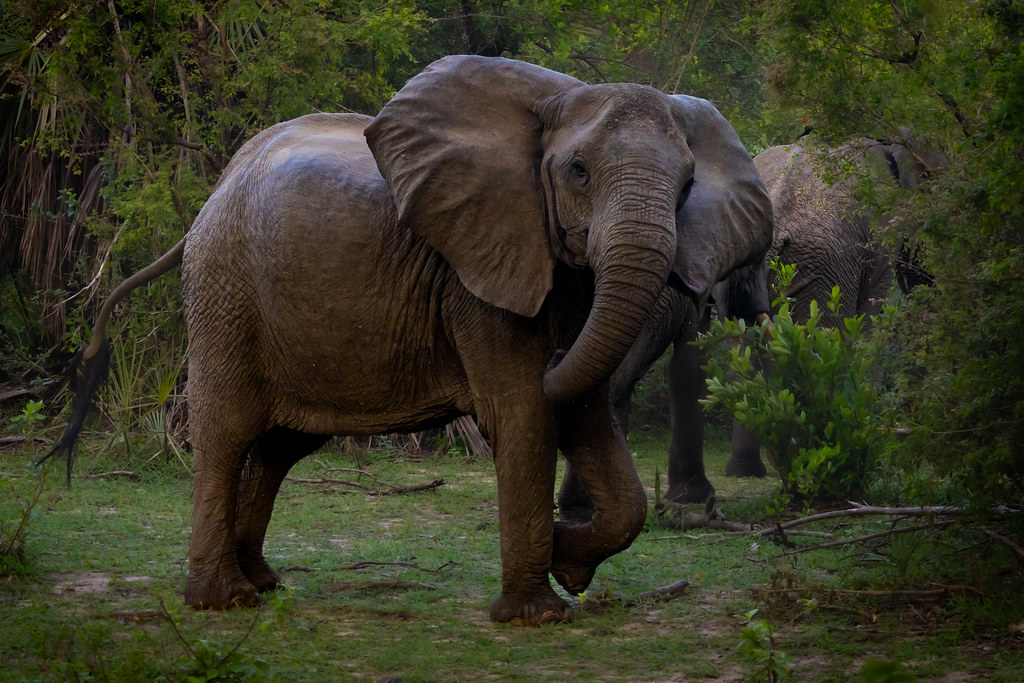
During a crater safari, visitors have opportunities to see elephants, lions, buffaloes, zebras, wildebeest, hippos and hyenas.
The crater is also one of the important destinations in Tanzania for spotting the endangered black rhinoceros.
A wildlife safari in Ngorongoro Crater is an essential experience for anyone visiting Karatu.
2. Visit Lake Manyara National Park
Lake Manyara National Park is another major attraction easily accessible from Karatu.
The park is famous for its beautiful landscapes, groundwater forests, open grasslands and the alkaline Lake Manyara.
Visitors can encounter elephants, giraffes, zebras, buffaloes, hippos, baboons and numerous bird species.
Lake Manyara is also known for its tree-climbing lions, although sightings are not guaranteed.
The park is an excellent destination for a day trip from Karatu, particularly for travellers interested in combining different ecosystems and wildlife experiences.
3. Discover the Traditional Iraqw Culture
Karatu is home to the Iraqw community, whose cultural traditions and history form an important part of the area’s identity.
Visitors can arrange cultural experiences to learn about traditional farming, local architecture, food preparation and community lifestyles.
One interesting attraction is the traditional Iraqw underground house, historically designed to provide protection and shelter.
Cultural visits provide opportunities to interact with local residents, learn about traditional practices and understand the region beyond its wildlife attractions.
For travellers interested in authentic cultural experiences, an Iraqw village visit is highly recommended.
4. Explore Karatu Coffee Plantations
Karatu is surrounded by fertile agricultural land, making it an excellent destination for coffee lovers.
The region’s highland climate and volcanic soils support coffee cultivation alongside bananas, vegetables and other agricultural products.
Visitors can arrange coffee plantation tours to learn about the production process, from growing and harvesting coffee cherries to processing and roasting.
Many experiences also include opportunities to taste locally produced coffee and interact with farmers.
A coffee tour is a relaxing activity that provides an interesting contrast to traditional wildlife safaris.
5. Enjoy a Walking Safari in the Ngorongoro Highlands
The Ngorongoro Highlands surrounding Karatu offer beautiful scenery and opportunities for guided walking experiences.
Visitors can explore rolling hills, forested landscapes, volcanic formations and traditional rural settlements.
Guided walks provide opportunities to discover local plants, birds and the natural environment while learning about the region’s history.
Some walking experiences can also be combined with cultural visits and visits to local farms.
Walking activities should always be arranged with authorised local guides and in accordance with applicable conservation area regulations.
6. Visit Endoro Waterfalls
Endoro Waterfalls is a scenic attraction in the wider Karatu and Ngorongoro area.
The walk towards the waterfall takes visitors through beautiful forest landscapes, providing opportunities to enjoy nature, discover local vegetation and observe birds.
The waterfall is particularly attractive during periods of good rainfall when water levels are higher.
Visitors should wear comfortable walking shoes and arrange a local guide where required.
It is a rewarding excursion for travellers who want to explore more than the traditional safari attractions.
7. Explore Lake Eyasi and the Hadzabe Community
Lake Eyasi is located southwest of Karatu and offers one of Tanzania’s most interesting cultural experiences.
The area is particularly known for the Hadzabe community, one of the few remaining hunter-gatherer communities in East Africa.
Visitors can arrange guided cultural experiences to learn about traditional hunting techniques, food gathering, local knowledge and daily life.
The Datoga community also lives in the wider Lake Eyasi region and is known for traditional metalworking, blacksmithing and pastoral lifestyles.
A visit to Lake Eyasi provides a fascinating opportunity to discover Tanzania’s cultural diversity.
8. Discover the Maasai Culture
The Maasai are among the most recognised cultural communities in East Africa.
Visitors travelling around Karatu and Ngorongoro can arrange cultural experiences to learn about traditional Maasai lifestyles, livestock keeping, clothing, music and dance.
These experiences provide insight into the relationship between local communities, livestock and wildlife conservation.
Responsible cultural tourism should prioritise authentic community engagement and ensure that local residents benefit from visitor activities.
9. Explore Ngorongoro Conservation Area
Beyond the famous crater, the Ngorongoro Conservation Area offers numerous attractions and beautiful landscapes.
Visitors can explore the highlands, volcanic craters, archaeological sites and wildlife-rich grasslands.
The area is also home to Olduvai Gorge, an important archaeological site associated with discoveries that have contributed significantly to the understanding of human evolution.
Travellers can combine a visit to Ngorongoro Crater with selected cultural and historical attractions, depending on their itinerary and permit arrangements.
10. Visit Olduvai Gorge
Olduvai Gorge is one of the most important archaeological destinations in the world.
Located within the Ngorongoro Conservation Area, the gorge is famous for significant discoveries relating to early human evolution.
Visitors can learn about archaeological excavations, fossil discoveries and the history of early human ancestors.
The site includes a museum presenting information about the area’s archaeological importance.
For visitors interested in history, science and human origins, Olduvai Gorge is an excellent addition to a northern Tanzania safari.
11. Enjoy Birdwatching Around Karatu
Karatu and its surrounding landscapes offer rewarding birdwatching opportunities.
The area’s forests, agricultural land, wetlands and nearby national parks support a wide variety of bird species.
Visitors may encounter colourful species such as turacos, sunbirds, hornbills, weavers, eagles and storks.
Lake Manyara National Park is particularly attractive for birdwatchers because of its diverse wetland habitats and seasonal waterbirds.
Whether you are a professional birder or a casual nature enthusiast, Karatu offers excellent opportunities for bird photography.
12. Experience Local Markets and Traditional Tanzanian Food
Exploring Karatu town is another enjoyable activity for visitors.
The town has local markets, small shops, restaurants and trading centres where visitors can experience everyday life in northern Tanzania.
You can purchase fresh fruits, vegetables, locally produced coffee and traditional crafts.
Popular Tanzanian dishes include:
- Ugali served with vegetables or meat.
- Nyama choma, traditionally grilled meat.
- Pilau rice.
- Chapati.
- Maharage, or beans.
- Local banana dishes.
- Freshly prepared coffee.
Exploring local restaurants and markets provides a wonderful opportunity to experience the region’s food culture.
13. Enjoy a Scenic Drive Through the Karatu Highlands
The countryside surrounding Karatu is characterised by green hills, agricultural plantations, small villages and beautiful highland scenery.
A scenic drive provides opportunities to explore the area at your own pace while discovering attractions away from the main safari routes.
Travellers can combine Karatu with Lake Manyara, Ngorongoro, Lake Eyasi and other destinations in northern Tanzania.
A self-drive safari in Tanzania is an excellent option for independent travellers who want greater flexibility when exploring the country’s northern circuit.
A reliable 4×4 vehicle is recommended for safari routes and certain rural roads, particularly during the rainy season.
Best Time to Visit Karatu, Tanzania
Karatu can be visited throughout the year because of its relatively mild highland climate.
However, the best time depends on the activities you intend to enjoy.
The dry season, generally from June to October, is particularly popular for wildlife safaris in Ngorongoro Crater and Lake Manyara National Park.
January and February also offer good opportunities for wildlife viewing and exploring the surrounding countryside.
The rainy periods generally occur from March to May and again around November and December, although seasonal rainfall varies.
During the rainy months, the landscapes become greener and more attractive for photography, but some rural roads may become muddy.
Getting Around Karatu
Karatu is conveniently located along Tanzania’s Northern Safari Circuit and is accessible by road from Arusha and other major safari destinations.
Visitors can explore the area using organised safari vehicles, private transfers or rental cars.
For independent travellers, a 4×4 car rental in Tanzania provides flexibility to visit Karatu, Ngorongoro, Lake Manyara and other destinations.
A suitable 4×4 vehicle is particularly important for travellers planning self-drive safaris in national parks and conservation areas.
Before travelling, check the applicable park regulations, vehicle requirements, conservation fees and authorised routes.
Suggested 3-Day Karatu Itinerary
Day 1: Lake Manyara National Park
Arrive in Karatu and explore Lake Manyara National Park. Enjoy a wildlife game drive through the groundwater forest, open plains and lakeside habitats. Return to your accommodation in Karatu.
Day 2: Ngorongoro Crater Safari
Depart early for a full-day wildlife safari in Ngorongoro Crater. Enjoy opportunities to see lions, elephants, buffaloes, zebras, hippos and potentially black rhinos. Return to Karatu in the evening.
Day 3: Iraqw Cultural Experience and Coffee Tour
Spend the morning discovering traditional Iraqw culture and visiting a local coffee plantation. Depending on your interests, extend your excursion towards Endoro Waterfalls or Lake Eyasi.
Where to Stay in Karatu
Karatu offers a variety of accommodation options for different budgets and travel styles.
Visitors can choose from luxury safari lodges, midrange hotels, budget guesthouses, tented camps and comfortable countryside lodges.
Staying in Karatu is convenient for travellers visiting Ngorongoro Crater and Lake Manyara National Park.
Many properties offer beautiful views of the surrounding highlands and provide easy access to the main safari routes.
It is advisable to book accommodation in advance during peak safari seasons, particularly from June to October.
Why Include Karatu in Your Tanzania Safari?
Karatu is more than a convenient overnight stop between Arusha and Ngorongoro. It is a destination offering beautiful landscapes, wildlife experiences, cultural attractions and agricultural tourism.
Its strategic location makes it an excellent base for exploring Ngorongoro Crater, Lake Manyara National Park, Lake Eyasi and the wider Ngorongoro Conservation Area.
Whether you are interested in wildlife photography, cultural experiences, hiking or independent road trips, Karatu deserves a place on your northern Tanzania itinerary.
Frequently Asked Questions About Visiting Karatu
1. What is Karatu famous for?
Karatu is famous for its location between Lake Manyara National Park and the Ngorongoro Conservation Area. It is also known for its agricultural landscapes, coffee plantations and Iraqw cultural heritage.
2. How many days should I spend in Karatu?
Two to three days are ideal for exploring Karatu and its nearby attractions. Travellers interested in Lake Eyasi, cultural experiences and additional activities may want to stay longer.
3. Is Karatu a good base for visiting Ngorongoro Crater?
Yes. Karatu is a popular accommodation base for travellers visiting Ngorongoro Crater because of its convenient location outside the conservation area.
4. Can I visit Lake Manyara from Karatu?
Yes. Lake Manyara National Park is easily accessible from Karatu and is suitable for a day trip.
5. Can I visit Lake Eyasi from Karatu?
Yes. Lake Eyasi can be visited as an excursion from Karatu, although visitors should plan sufficient time for driving and cultural activities.
6. Is Karatu suitable for a self-drive safari?
Yes. Karatu is an excellent stop for travellers exploring northern Tanzania independently. A reliable 4×4 vehicle is recommended for accessing national parks and certain rural destinations.
7. What other destinations can I combine with Karatu?
Popular combinations include Arusha, Tarangire National Park, Lake Manyara, Ngorongoro Crater, Serengeti National Park and Lake Eyasi.
Plan Your Karatu Road Trip with Self Drive Tanzania
Exploring Karatu and the surrounding northern Tanzania attractions becomes more convenient when you have the freedom to travel at your own pace.
At Self Drive Tanzania, we help travellers arrange reliable 4×4 rental vehicles for independent safaris and cross-country road trips.
Whether you are planning a short visit to Karatu, a wildlife adventure in Ngorongoro and Lake Manyara or a longer journey combining Serengeti, Tarangire and other national parks, we can help you find a suitable rental vehicle.
Explore our Tanzania self-drive car rental options, compare available 4×4 Land Cruiser rentals, and discover our Land Cruiser rooftop tent camping options for independent safari adventures.
Book your Tanzania 4×4 rental today and discover the beautiful landscapes, wildlife and cultural attractions of Karatu.