
Northern Serengeti Tanzania: The Ultimate Travel Guide to Wildlife, Great Migration and Self-Drive Safaris
Introduction to Northern Serengeti, Tanzania
Northern Serengeti is one of Tanzania’s most spectacular wildlife destinations, offering visitors exceptional opportunities to experience the African wilderness, observe large herds of migrating wildebeest and encounter some of the continent’s most iconic predators.
Located in the northern section of Serengeti National Park, this remarkable region is internationally famous for the annual Great Wildebeest Migration and dramatic Mara River crossings. Its beautiful landscapes include open savannah plains, rolling hills, rocky kopjes, riverine forests and seasonal water sources that support an incredible variety of wildlife.
The Northern Serengeti is particularly popular between July and October, when migrating wildebeest and zebras move through the region in search of fresh grazing areas. During this period, the Mara River becomes a major obstacle along their migration route, creating some of Africa’s most spectacular wildlife encounters.
Beyond the Great Migration, Northern Serengeti offers year-round opportunities to observe lions, elephants, leopards, cheetahs, giraffes, buffaloes, hyenas and numerous other wildlife species.
Whether you are planning a luxury safari, photography expedition, camping adventure or independent road trip, Northern Serengeti deserves a place on your Tanzania travel itinerary.
For adventurous travellers, arranging a self-drive car rental in Tanzania provides an opportunity to explore the Serengeti and other northern circuit destinations with greater flexibility.
Where Is Northern Serengeti Located?
Northern Serengeti is situated in the northern section of Serengeti National Park, in northern Tanzania, close to the international border with Kenya.
The region includes important wildlife-viewing areas such as Kogatende, Lamai and the Mara River ecosystem.
It is part of the greater Serengeti-Mara ecosystem, which extends across northern Tanzania and southwestern Kenya.
Northern Serengeti is accessible through several routes from central Serengeti, Ngorongoro and other northern Tanzania safari destinations. Visitors can also use domestic charter flights to nearby airstrips, particularly Kogatende Airstrip.
The region’s remote location and relatively low concentration of accommodation compared with central Serengeti help create a more exclusive wilderness experience.
Top Things to Do in Northern Serengeti
1. Witness the Great Wildebeest Migration
The Great Wildebeest Migration is the main attraction in Northern Serengeti.
Every year, millions of wildebeest, accompanied by zebras and gazelles, move through the Serengeti ecosystem in search of fresh grass and water.
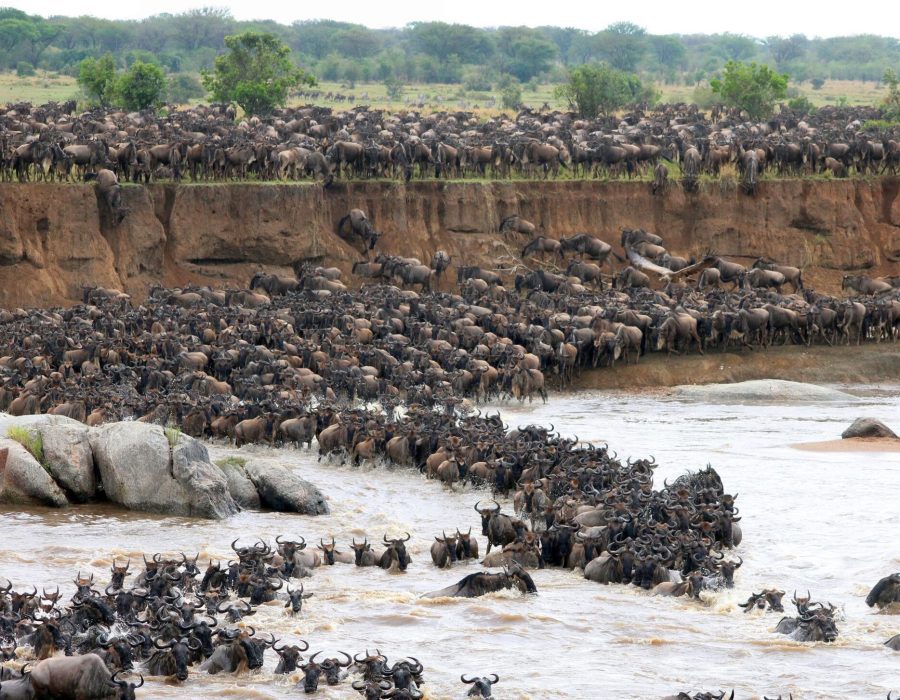
During the migration season, large herds enter Northern Serengeti and move towards the Mara River, where they encounter one of the most challenging sections of their annual journey.
Visitors can observe enormous herds gathering along riverbanks, moving across open plains and navigating the surrounding wilderness.
The migration is a remarkable natural event and one of the strongest reasons to visit Northern Serengeti.
2. Experience the Mara River Crossings
The Mara River crossings are among the most famous wildlife spectacles in Africa.
During the migration season, wildebeest and zebras gather along the riverbanks before attempting to cross the water.
The river contains crocodiles and other natural hazards, making the crossings dramatic and unpredictable.
Visitors may witness hundreds or thousands of animals entering the river together, creating unforgettable opportunities for wildlife photography.
The exact timing and location of crossings cannot be guaranteed because the migration follows rainfall patterns and the availability of fresh grazing.
Kogatende and the surrounding Mara River areas are popular bases for visitors hoping to witness this extraordinary spectacle.
3. Explore Kogatende
Kogatende is one of the most important safari areas in Northern Serengeti.
It is particularly popular during the Great Migration season because of its proximity to several Mara River crossing locations.
The surrounding plains and riverine habitats support large populations of wildebeest, zebras, elephants, giraffes, lions and other wildlife.
Kogatende is also an important access point for visitors arriving by air through Kogatende Airstrip.
Game drives around this region provide excellent opportunities to explore the northern Serengeti ecosystem.
4. Discover the Lamai Triangle
The Lamai Triangle is a beautiful and relatively remote wildlife-viewing area in Northern Serengeti.
Its landscapes feature rolling hills, open grasslands, rocky outcrops and riverine vegetation.
The area is particularly attractive during the Great Migration season when large herds of wildebeest and zebras move through the surrounding plains.
Lamai also provides opportunities to observe resident wildlife, including lions, leopards, elephants and buffaloes.
Its scenic landscapes make it a favourite destination for wildlife photographers and travellers seeking a quieter safari experience.
5. Search for the Big Five
Northern Serengeti provides opportunities to encounter several members of Africa’s famous Big Five.
Lions: The region supports healthy lion populations, and visitors may observe prides resting, hunting or interacting in the open grasslands.
Leopards: Riverine forests and rocky habitats provide suitable environments for leopards, although sightings require patience.
Elephants: Large elephant herds can be observed moving through the savannah and woodland areas.
Buffaloes: Buffaloes are frequently encountered in herds across the northern plains.
Rhinoceros: Black rhinos are present in protected parts of the wider Serengeti ecosystem, but sightings in Northern Serengeti are rare and should not be expected.
6. Enjoy Wildlife Photography
Northern Serengeti is an excellent destination for professional photographers and wildlife enthusiasts.
The region’s open landscapes, dramatic river crossings and impressive wildlife populations provide opportunities for capturing memorable images.
Photographers can focus on migrating wildebeest, predator-prey interactions, elephants, giraffes, lions and beautiful African sunsets.
Early morning and late afternoon game drives offer particularly attractive lighting conditions.
7. Experience the African Wilderness
One of Northern Serengeti’s greatest attractions is its remote wilderness atmosphere.
Unlike some heavily visited safari destinations, parts of the northern region offer expansive landscapes and opportunities to enjoy wildlife encounters away from large crowds.
Visitors can spend hours exploring the plains, observing wildlife and enjoying the natural beauty of the Serengeti ecosystem.
This makes Northern Serengeti particularly attractive to travellers seeking an authentic safari experience.
Best Places to Visit in Northern Serengeti
Kogatende
Kogatende is a major safari base and one of the most popular areas for observing the Great Migration and Mara River crossings.
Lamai Triangle
Lamai is known for its scenic landscapes, rich wildlife and excellent opportunities for migration viewing.
Mara River
The Mara River is the central attraction during the migration season, providing opportunities to witness wildebeest and zebra crossings.
Bologonja Springs
Located in the northeastern part of the Serengeti, Bologonja Springs is an important water source and wildlife habitat surrounded by beautiful landscapes.
Access should be planned according to current park regulations and authorised routes.
Lobo Valley
Lobo is located in the northern-central section of Serengeti National Park and is known for its rocky hills, open plains, elephants, lions and other resident wildlife.
It provides an excellent addition to a northern Serengeti itinerary.
Best Time to Visit Northern Serengeti
Northern Serengeti can be visited throughout the year, but the best time depends on your preferred wildlife experiences.
July to October: This is generally the most popular period for visiting Northern Serengeti. Large herds of wildebeest and zebras move through the region, and opportunities to witness Mara River crossings increase.
June: Migration herds may begin moving into the northern areas depending on rainfall and grazing conditions.
November to December: The migration gradually moves towards the eastern and southern Serengeti as seasonal rains influence grazing patterns.
January to March: The main calving season takes place in the southern Serengeti and Ndutu region, making these months more suitable for visitors interested in newborn wildebeest and predator activity.
April to May: The long rainy season brings green landscapes and fewer visitors, although road conditions may become more challenging.
It is important to remember that the Great Migration is a natural event rather than a fixed-schedule attraction. The movement of herds and river crossings varies from year to year.
Accommodation in Northern Serengeti
Northern Serengeti offers a range of safari accommodation, including luxury tented camps, permanent lodges, seasonal mobile camps and public or special campsites.
Luxury tented camps provide comfortable accommodation with private bathrooms, dining facilities and excellent access to migration areas.
Midrange camps offer a balance between comfort, location and affordability.
Mobile tented camps are particularly attractive because they can be positioned close to the migrating herds during different parts of the season.
Budget travellers and independent campers can explore authorised campsites, subject to availability and current park regulations.
Kogatende and Lamai are particularly popular accommodation locations for visitors planning to explore the Mara River region.
How to Get to Northern Serengeti
By Road from Arusha
Northern Serengeti can be reached by road from Arusha through the northern Tanzania safari circuit.
The journey typically involves travelling through the Ngorongoro Conservation Area and central Serengeti before continuing north.
Driving time can be substantial, depending on the route, stops, road conditions and wildlife-viewing activities.
Travellers should allow sufficient time rather than treating the journey as a simple point-to-point transfer.
By Road from Central Serengeti
Visitors already exploring central Serengeti can continue north towards Kogatende and Lamai.
This route provides opportunities for additional game drives and wildlife viewing along the way.
By Air
Domestic charter flights operate between selected destinations in Tanzania and Kogatende Airstrip, depending on airline schedules and seasonal services.
Flying is particularly convenient for travellers with limited time or those staying at luxury camps in Northern Serengeti.
Visitors should confirm luggage restrictions, airstrip transfers and flight arrangements before travelling.
Exploring Northern Serengeti with Self-Drive Car Rental in Tanzania
Northern Serengeti is an exciting destination for travellers interested in independent wildlife adventures.
A self-drive car rental in Tanzania allows visitors to explore the northern safari circuit, plan their own routes and spend more time at wildlife-viewing locations.
However, Northern Serengeti is a remote wilderness destination, and choosing the right vehicle is essential.
A reliable 4×4 car rental in Tanzania is strongly recommended for travelling through the Serengeti, particularly when exploring remote game-drive tracks and during periods of rain.
Suitable safari vehicles may include Toyota Land Cruiser models, Land Cruiser Prado 4WD vehicles and other properly equipped 4×4 vehicles.
Travellers planning camping safaris can also consider a 4×4 rental with rooftop tent in Tanzania, complete with appropriate camping equipment.
Before beginning a self-drive safari, visitors should confirm:
- Serengeti National Park entry and vehicle fees.
- Current park driving regulations and authorised routes.
- Camping reservations and accommodation availability.
- Vehicle insurance and permitted park use.
- Spare tyres, recovery equipment and emergency supplies.
- Fuel availability and realistic driving distances.
- Reliable communication and emergency support arrangements.
Northern Serengeti requires careful preparation because distances are long, services are limited and wildlife-viewing routes can be challenging.
Self-drive visitors should also avoid night driving inside the park and follow all Tanzania National Parks regulations.
Combining Northern Serengeti with Other Tanzania Safari Destinations
Northern Serengeti can be combined with several famous destinations in Tanzania’s northern safari circuit.
Central Serengeti
Central Serengeti is famous for its large predator populations, kopjes, open savannah and year-round wildlife viewing.
The Seronera area is particularly popular for spotting lions, leopards and cheetahs.
Ngorongoro Conservation Area
Ngorongoro is home to the spectacular Ngorongoro Crater, one of Africa’s most famous wildlife-viewing destinations.
Visitors can enjoy game drives across the crater floor and encounter elephants, lions, buffaloes, zebras and other wildlife.
Tarangire National Park
Tarangire is famous for its large elephant populations, ancient baobab trees and seasonal wildlife concentrations around the Tarangire River.
Lake Manyara National Park
Lake Manyara offers diverse landscapes, including groundwater forests, wetlands and open grasslands.
The park is known for its birdlife, elephants and occasional tree-climbing lion sightings.
Southern Serengeti and Ndutu
The Ndutu region is particularly famous for the wildebeest calving season between January and March.
It is an excellent destination for visitors interested in witnessing newborn animals and predator activity.
Suggested 7-Day Northern Serengeti Safari Itinerary
Day 1: Arusha to Ngorongoro Conservation Area
Depart Arusha and travel towards the Ngorongoro highlands. Enjoy scenic landscapes and overnight near the conservation area.
Day 2: Ngorongoro to Central Serengeti
Travel through the Ngorongoro Conservation Area towards Serengeti National Park. Enjoy wildlife viewing along the way before arriving at your accommodation in central Serengeti.
Day 3: Central Serengeti Game Drive
Explore the Seronera region with opportunities to encounter lions, leopards, cheetahs, elephants and other wildlife.
Day 4: Central Serengeti to Northern Serengeti
Continue north towards Kogatende with game viewing along the route. Arrive at your accommodation in Northern Serengeti.
Day 5: Mara River and Kogatende Wildlife Experience
Spend the day exploring the northern plains and authorised Mara River viewing areas. Depending on migration movements, you may have opportunities to observe wildebeest and zebra crossings.
Day 6: Lamai and Northern Serengeti Exploration
Enjoy additional game drives around Lamai and surrounding wildlife areas. Explore the beautiful landscapes and search for resident predators and migrating herds.
Day 7: Northern Serengeti to Arusha
Depart Northern Serengeti for your return journey or connect with a scheduled domestic flight, depending on your travel arrangements.
For a more relaxed safari, consider extending the itinerary to eight or nine days to allow additional wildlife-viewing time.
Frequently Asked Questions About Northern Serengeti
1. Where is Northern Serengeti located?
Northern Serengeti is situated in the northern section of Serengeti National Park in Tanzania, close to the Kenyan border.
2. What is Northern Serengeti famous for?
Northern Serengeti is famous for the Great Wildebeest Migration, Mara River crossings, lions, elephants, leopards and spectacular open savannah landscapes.
3. When is the best time to see the Great Migration in Northern Serengeti?
July to October is generally the most popular period for migration viewing and potential Mara River crossings. Actual timing varies according to rainfall and grazing conditions.
4. Can I see Mara River crossings every day?
No. River crossings are unpredictable. Herds may gather for hours or days before crossing, and some may use different crossing points.
5. Can I visit Northern Serengeti on a self-drive safari?
Yes. Visitors can explore the region using a suitable 4×4 rental vehicle, subject to park regulations, vehicle requirements and current access conditions.
6. How many days should I spend in Northern Serengeti?
Three to four days are recommended for exploring the northern region and allowing time for wildlife viewing and potential river-crossing opportunities.
7. Is Northern Serengeti suitable for camping safaris?
Yes. Visitors can use authorised campsites and suitable accommodation facilities, subject to availability and park regulations.
8. Can I combine Northern Serengeti with Ngorongoro Crater?
Yes. Northern Serengeti is commonly combined with Ngorongoro, Central Serengeti, Tarangire and Lake Manyara on extended northern circuit safaris.
Plan Your Northern Serengeti Safari with Self Drive Tanzania
Northern Serengeti is one of Tanzania’s most extraordinary wildlife destinations, offering visitors the opportunity to experience the Great Wildebeest Migration, witness dramatic Mara River crossings and explore one of Africa’s richest wildlife ecosystems.
From the migration herds of Kogatende to the beautiful landscapes of Lamai, every part of Northern Serengeti offers a memorable safari experience.
Whether you are planning a luxury safari, a budget camping adventure or an independent road trip, choosing a suitable car rental in Tanzania can make your journey more flexible.
With a reliable 4×4 car hire in Tanzania, you can explore Northern Serengeti, Central Serengeti, Ngorongoro, Tarangire and other remarkable destinations across the northern safari circuit.
For adventurous travellers, a self-drive safari in Tanzania provides the freedom to discover the country’s extraordinary wilderness at your own pace.
Start planning your Northern Serengeti adventure and experience the unforgettable wildlife of Tanzania.